



scopri di più
info tecniche
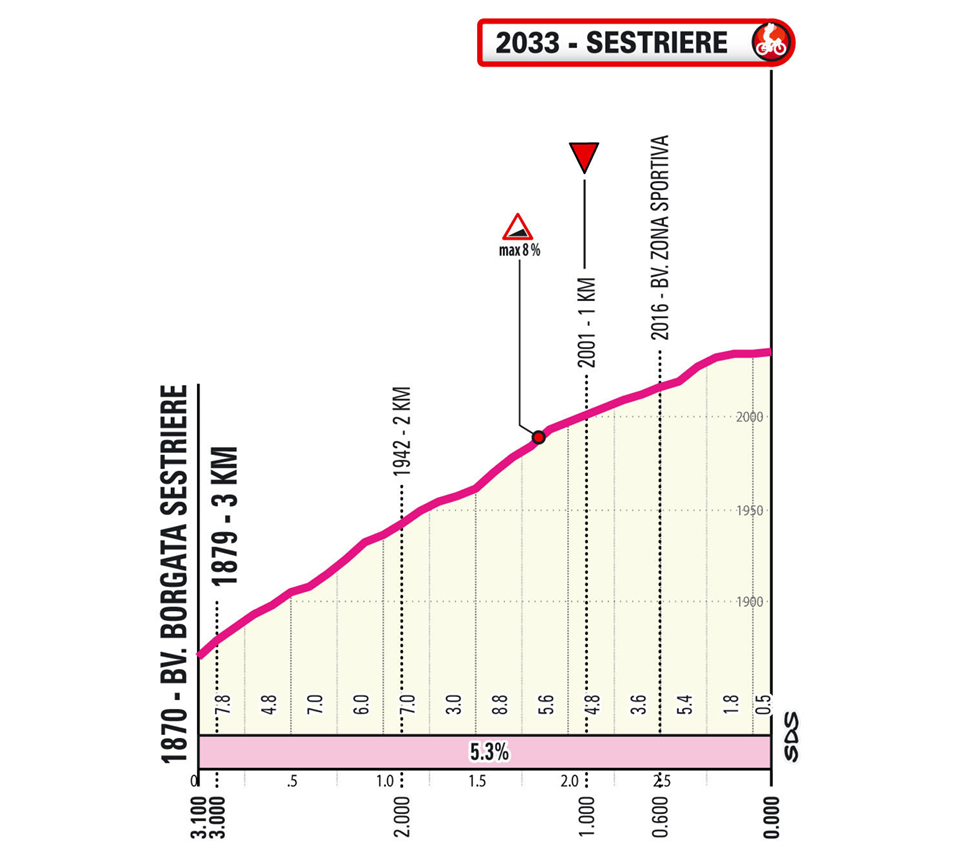
altimetria
planimetria
info tecniche
Route
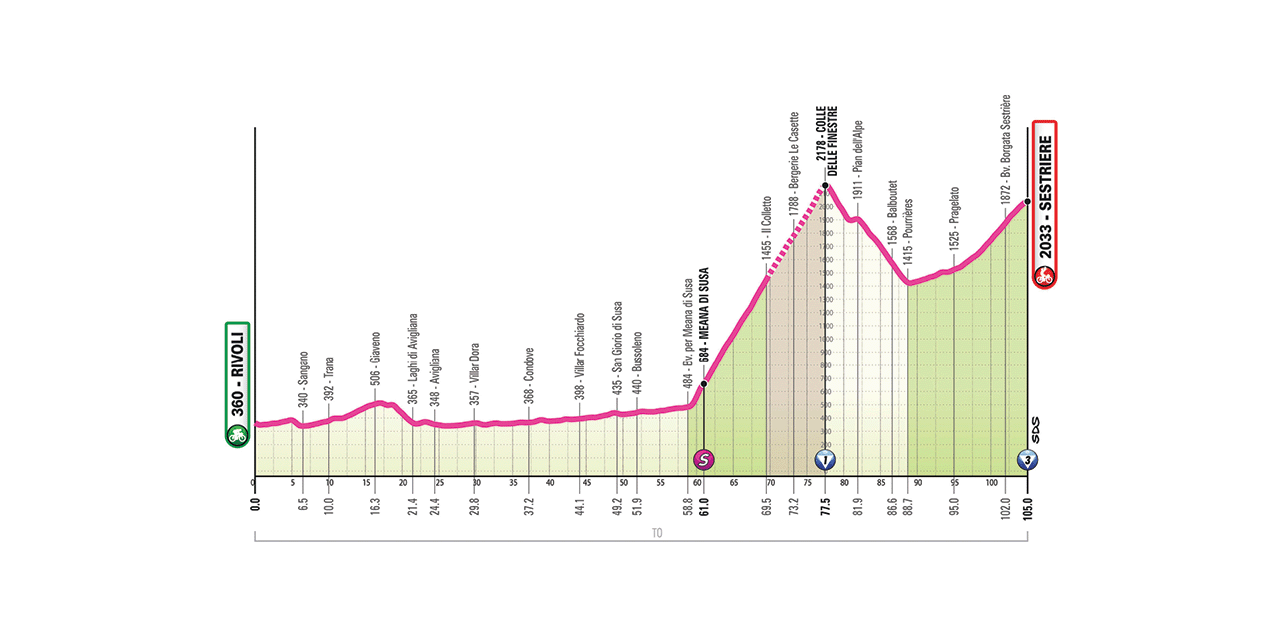
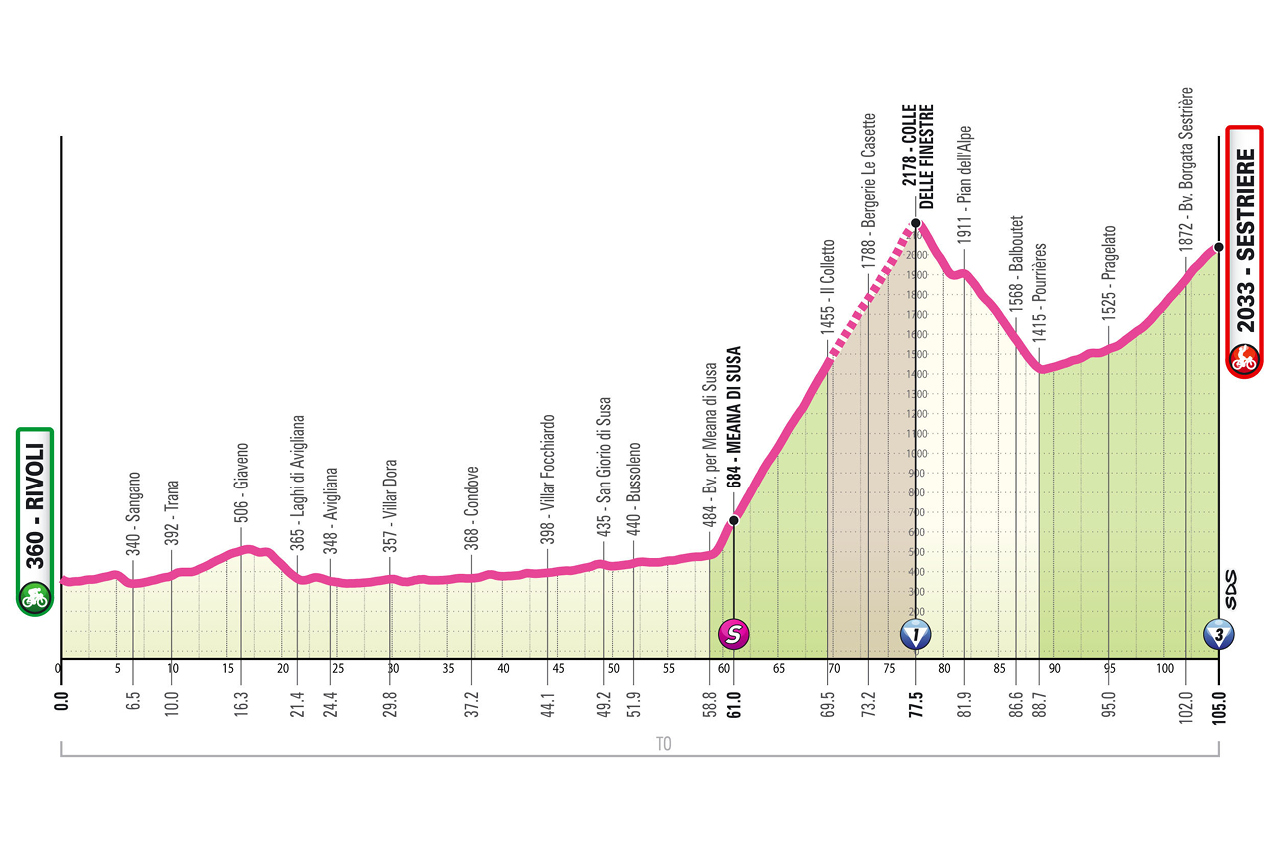
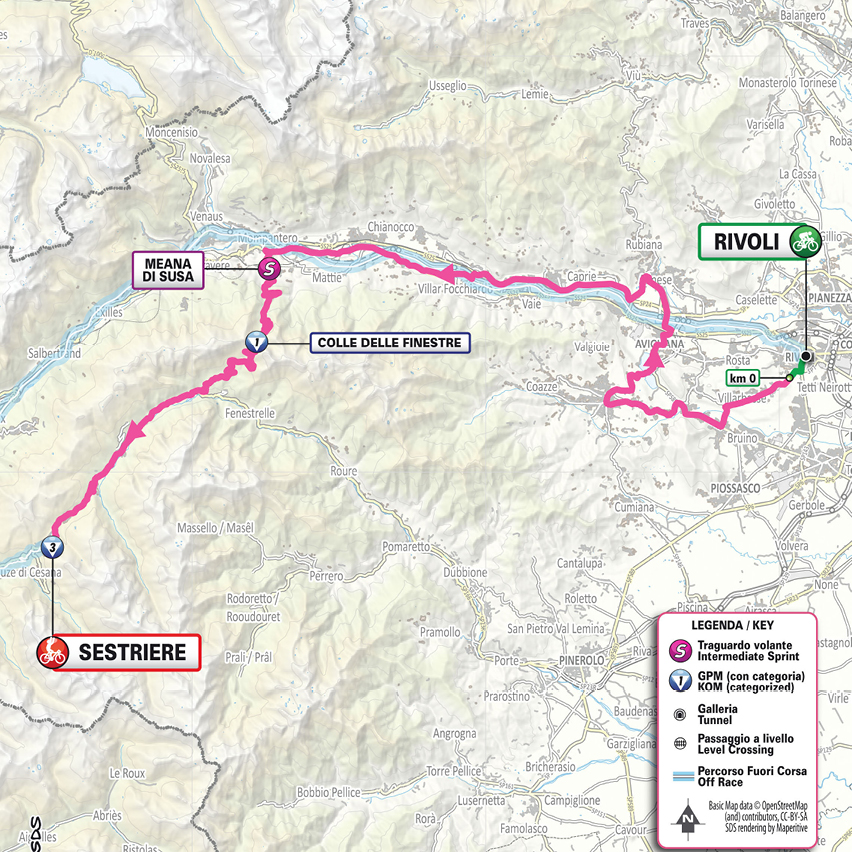
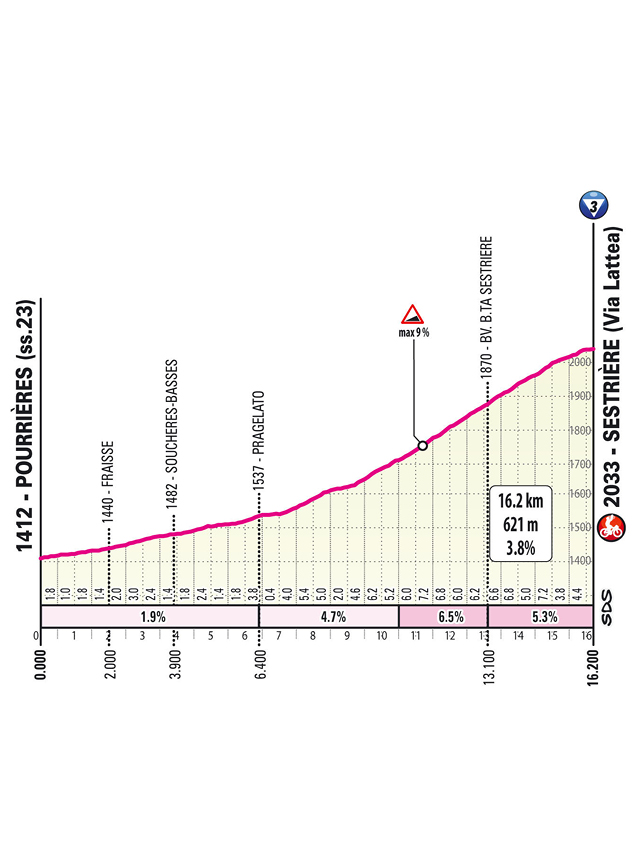
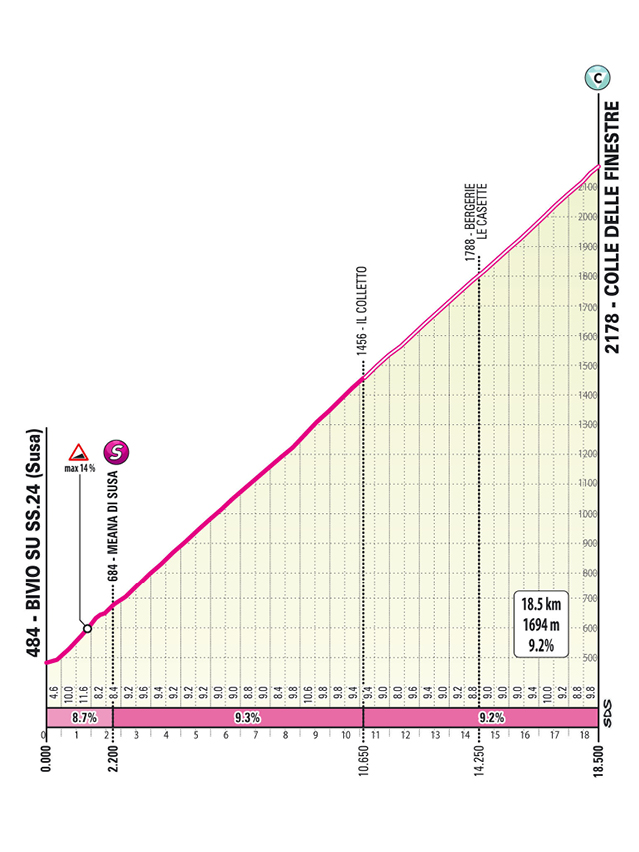
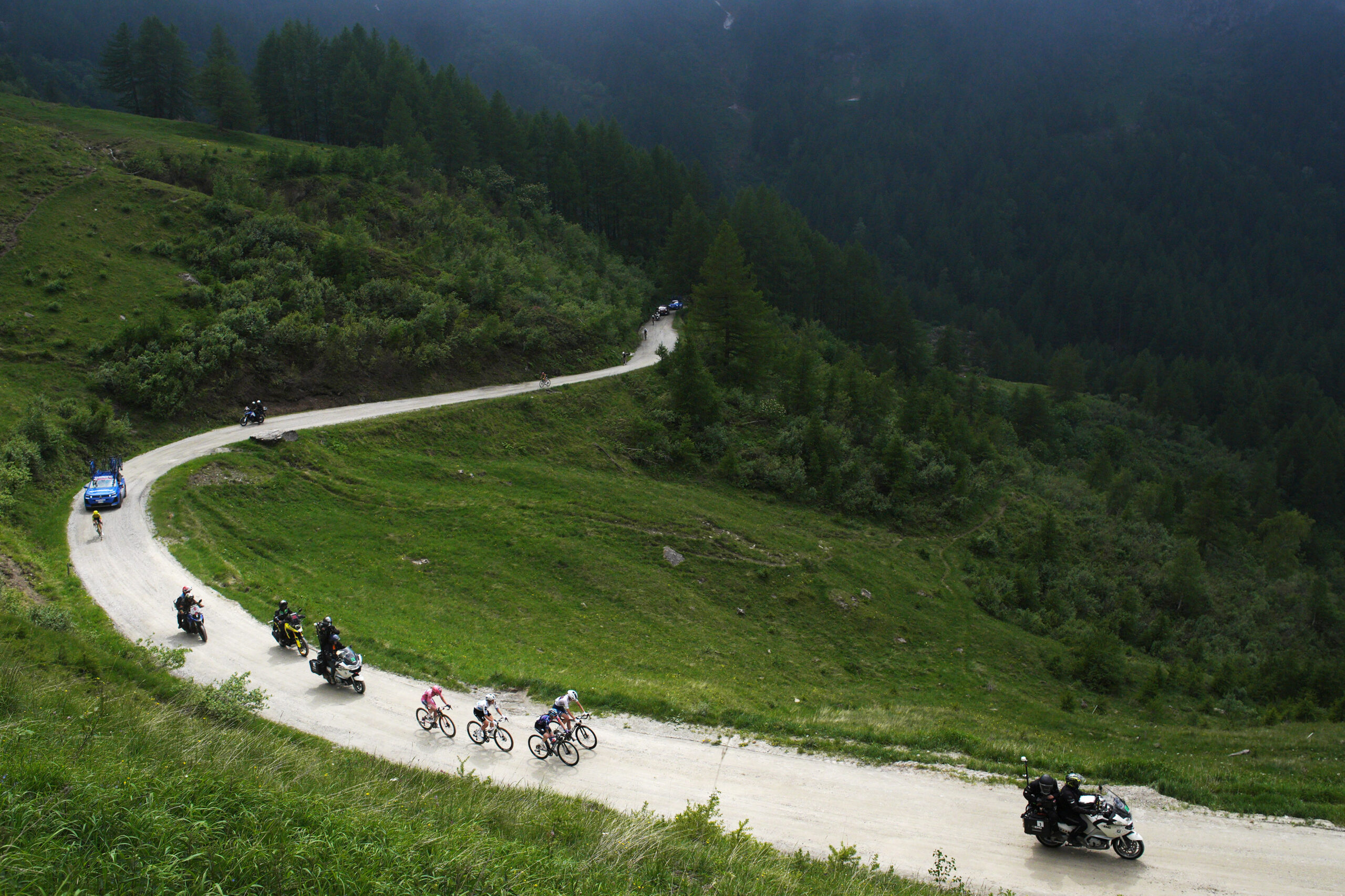
The stage opens with a flat first section in the Dora Riparia valley, which the race follows to the outskirts of Susa, where the ascent of the Colle delle Finestre begins. The Colle delle Finestre (Cima Coppi) features an almost constant gradient of 9.2% from bottom to summit, aside from a brief ramp in Meana di Susa peaking at 14%. The first 9 km are paved, while the following 9 km are unpaved gravel roads to the summit. Along the paved section, riders encounter 29 hairpins in less than 4 km (45 in total to the summit). The descent is highly technical, narrow and exposed in its opening section down to Pian dell’Alpe. Once back on the SS23, the climbing resumes at manageable gradients all the way to the finish.
Final kilometers
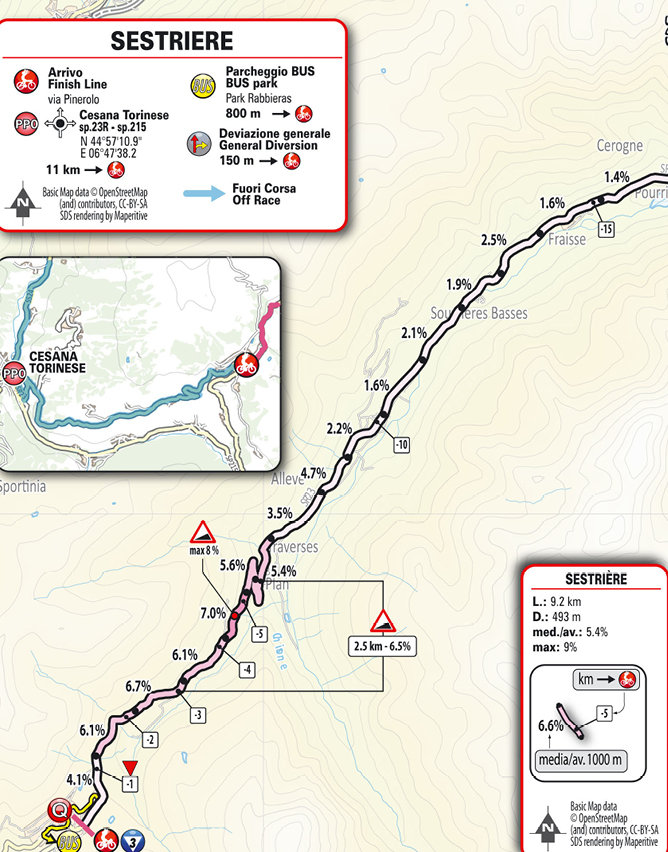
The final kilometres take place entirely on the SS23, on a gentle uphill gradient (average 5%) along a wide and well-paved carriageway. Final straight: 400 m on 6.5 m-wide asphalt.
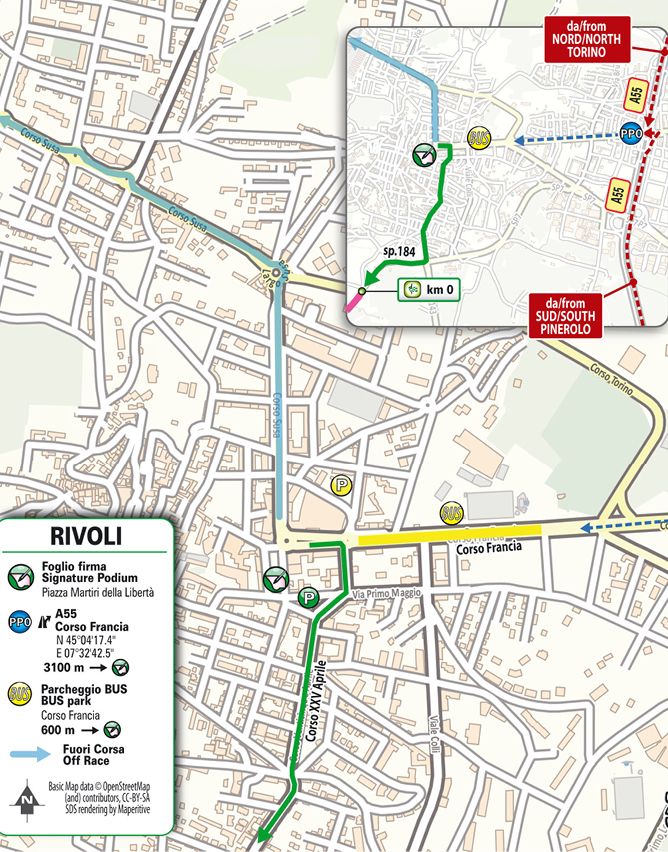
partenza / arrivo
dettaglio salite
ultimi km
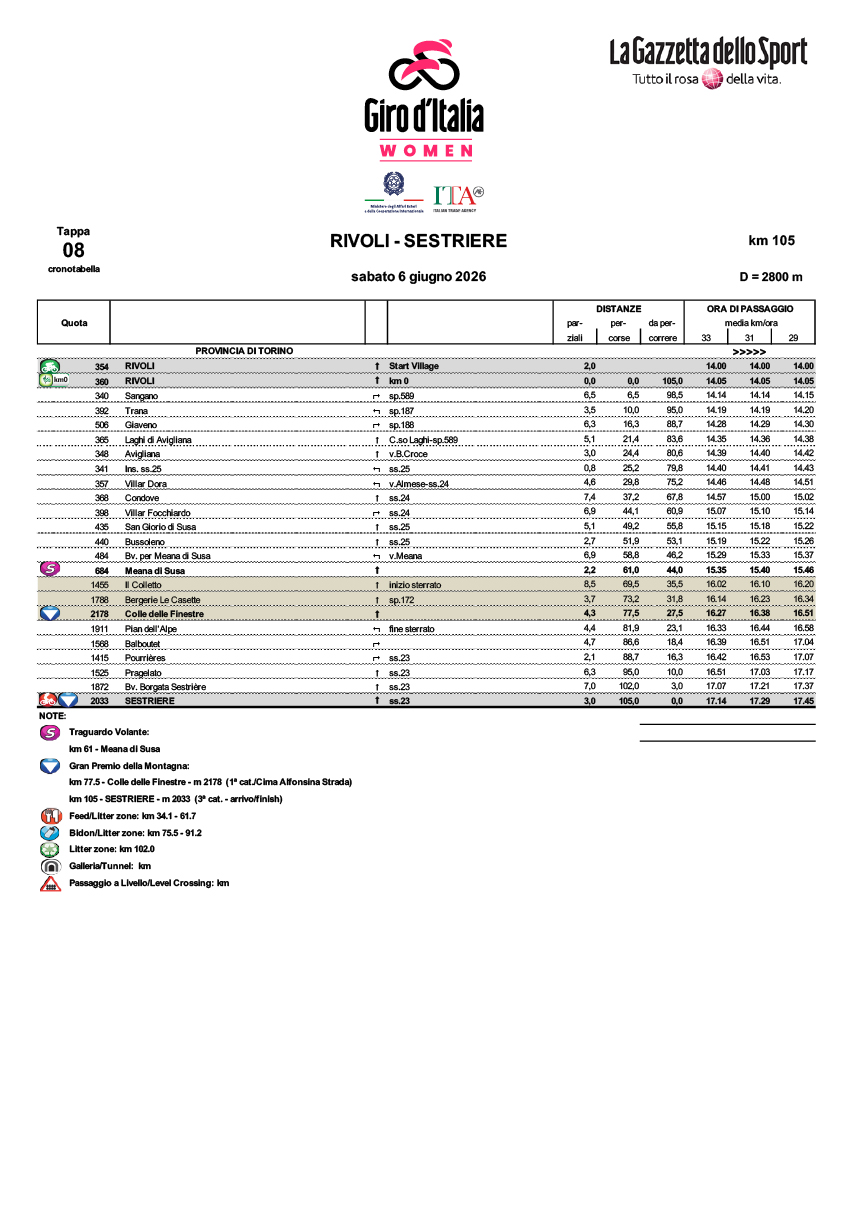
crono tabella
info turistiche
Città di:
Rivoli
Overview
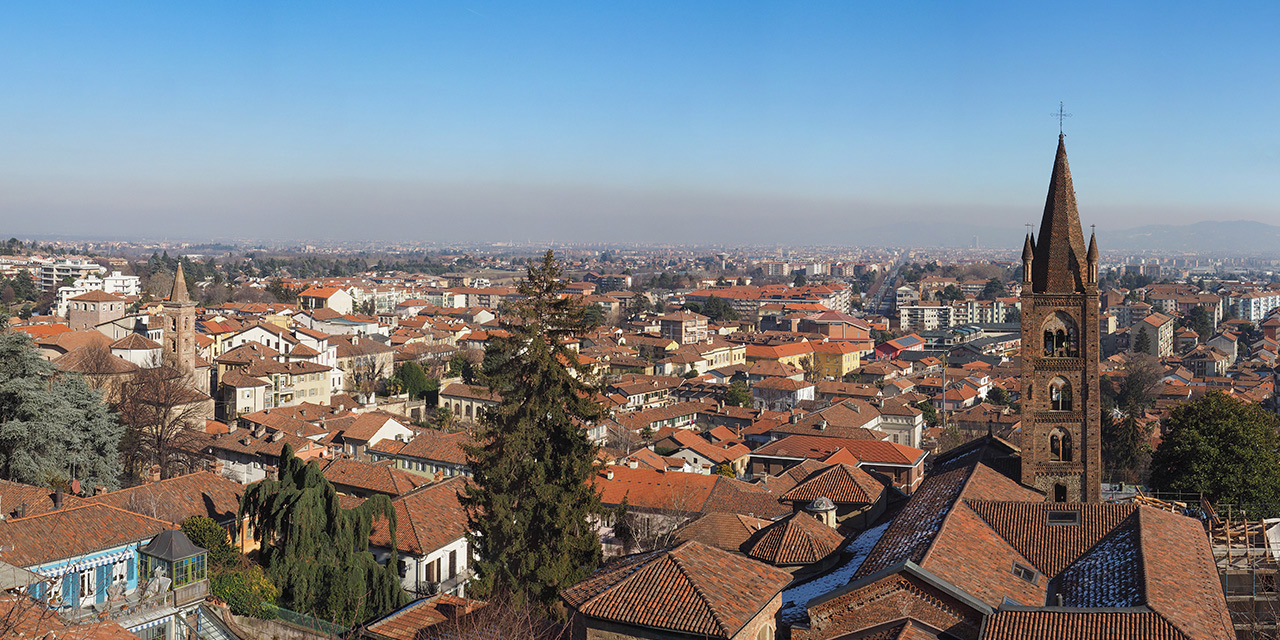
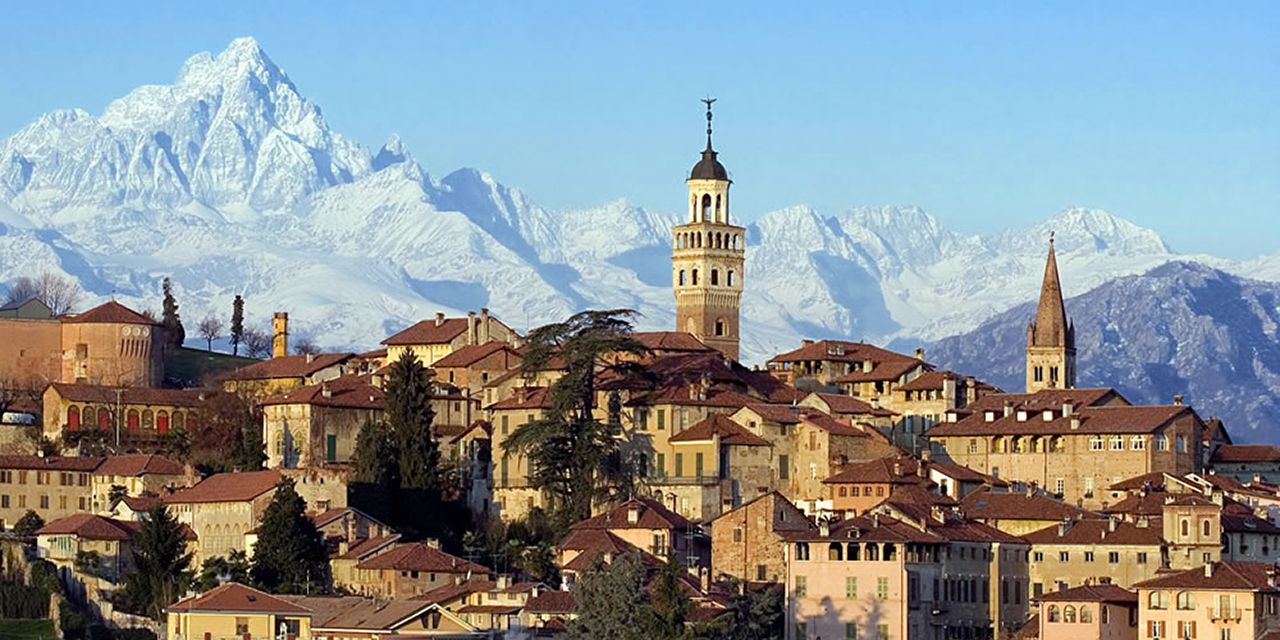
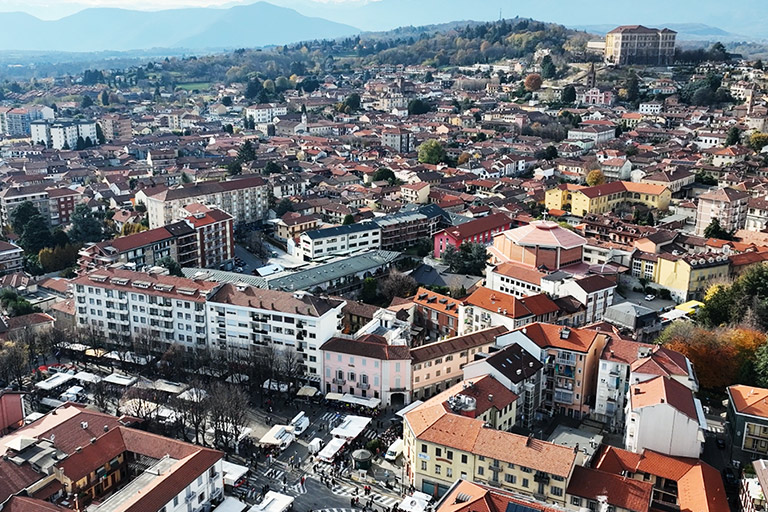
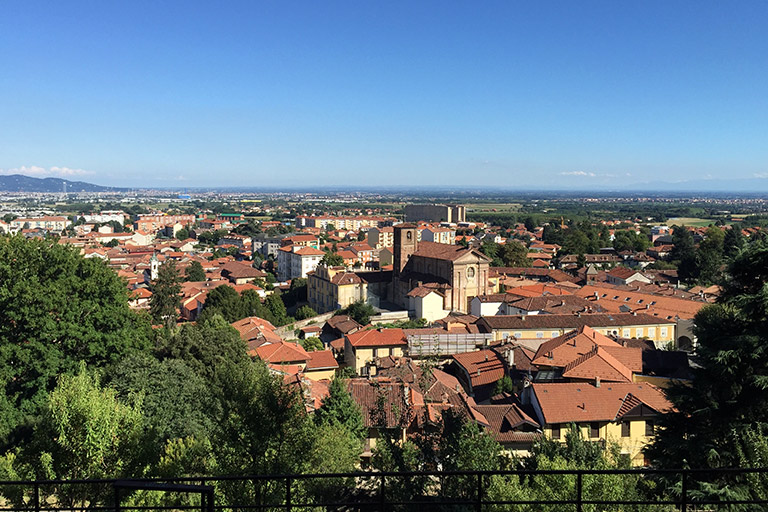
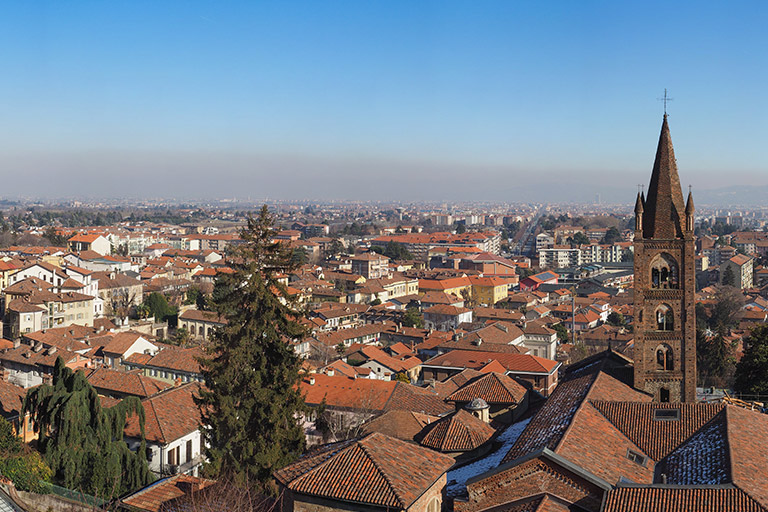
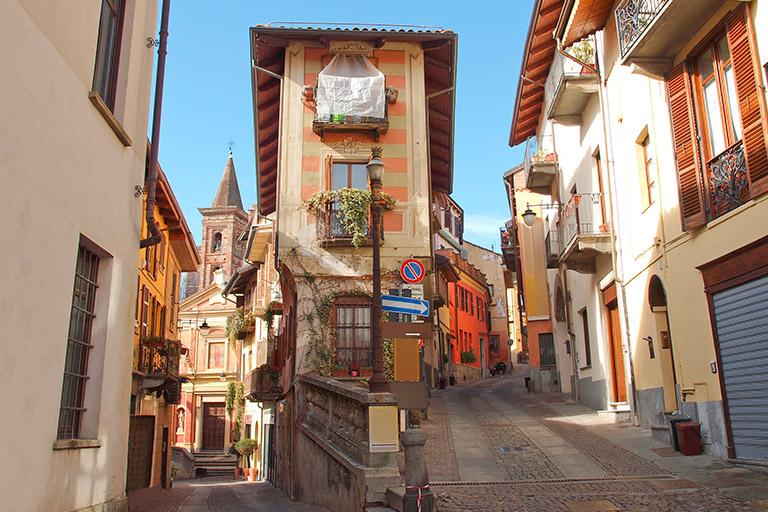
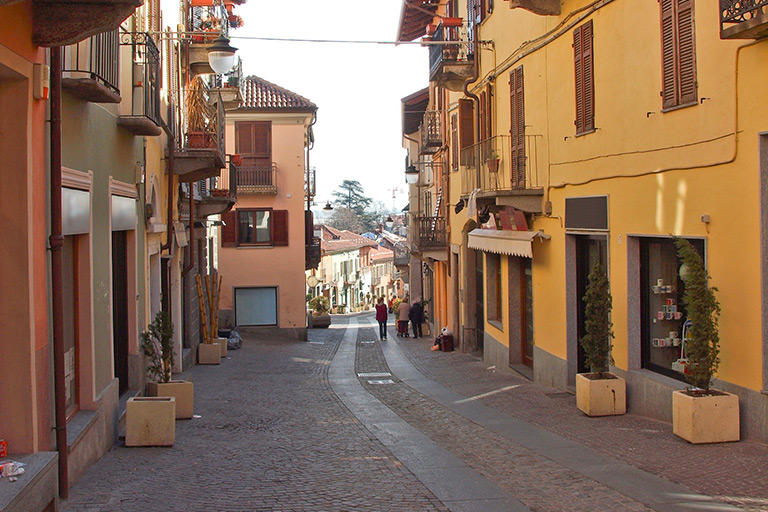
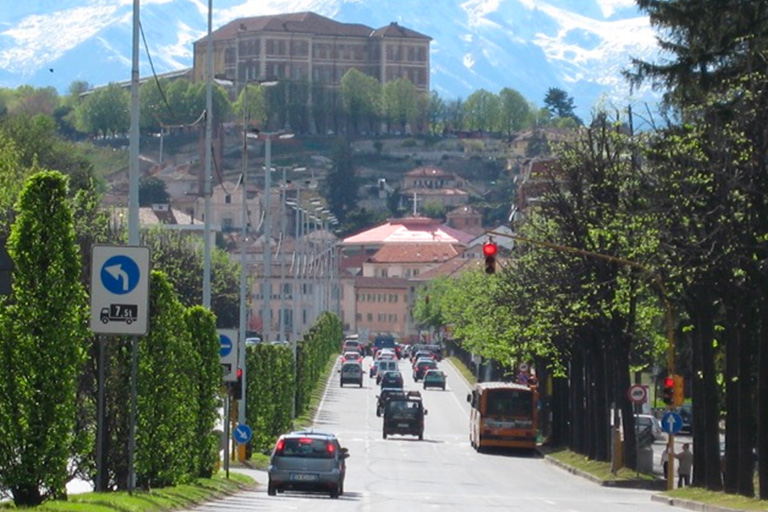
The city of Rivoli is located about 13 km from Turin and 102 km from the French border, at the entrance to the Susa Valley. Today it has a population of approximately 48,000 inhabitants. Thanks to its very ancient historical origins, it is considered one of the most distinctive art cities in the Piedmont region.
The most well-known connection with the city of Turin is Corso Francia, one of the main roads of the regional capital, which, with a total length of 11.75 km, is the longest straight road in Europe. Rivoli’s long and rich history makes it an important site of artistic and cultural interest; its buildings reflect different eras and events, all of which bear witness to its valuable past.
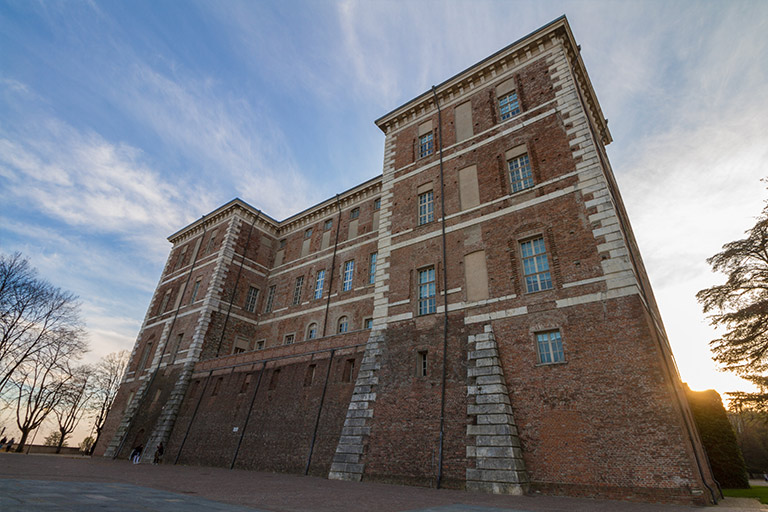
Among its main landmarks is the Castle of Rivoli, one of the oldest Savoy residences, a symbol of the city, a renowned tourist attraction, and home to one of the most important contemporary art museums in the world.
Food
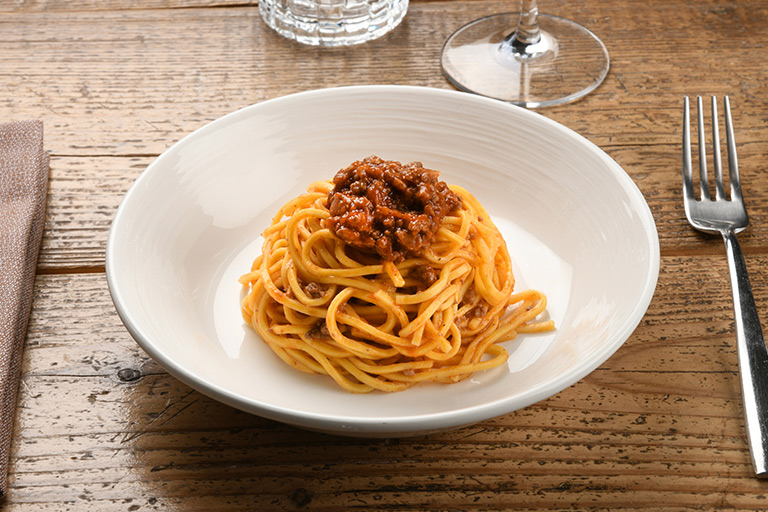
Tajarin
These are thin egg noodles from the Piedmontese tradition. Characterized by an intense yellow color, in Rivoli they are enjoyed seasoned with roast meat sauce (sugo d’arrosto) or truffles. A classic of local fresh pasta.
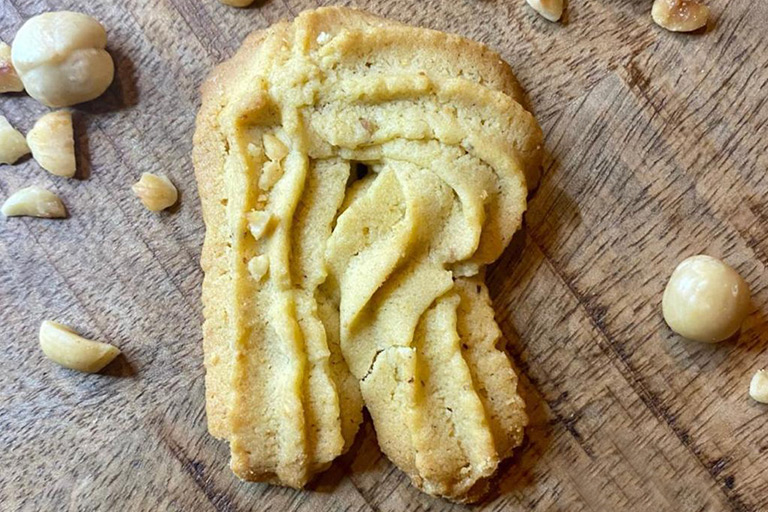
Rivolotto
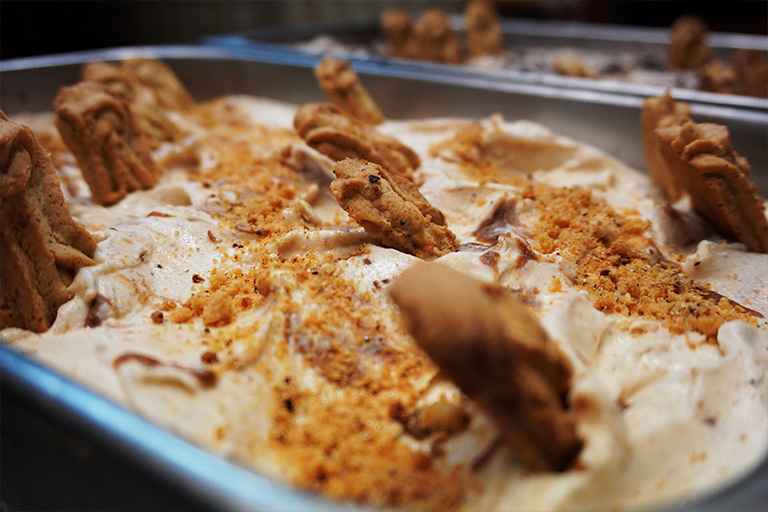
The symbolic biscuit of Rivoli: an artisanal shortcrust pastry made with Piedmont PGI hazelnuts and chocolate chips. Its shape recalls the silhouette of the Castello. A sweet tribute to the city.
Gelato al Rivolotto
A local specialty that transforms the symbolic biscuit of Rivoli into a creamy, artisanal gelato flavor. It combines a fiordilatte base with hazelnut crumbles and chocolate.
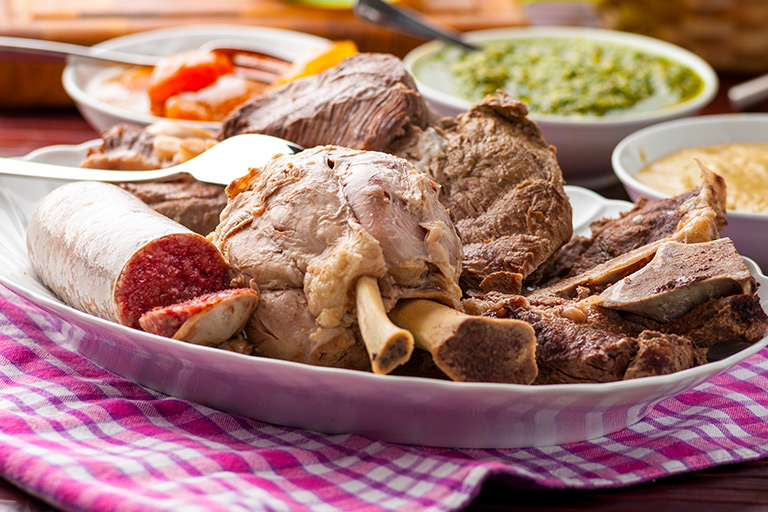
Bollito Misto
A Savoyard ritual: various cuts of meat slowly boiled and served with the typical “bagnet verd” (green sauce). A classic of winter conviviality blending history and local flavor.
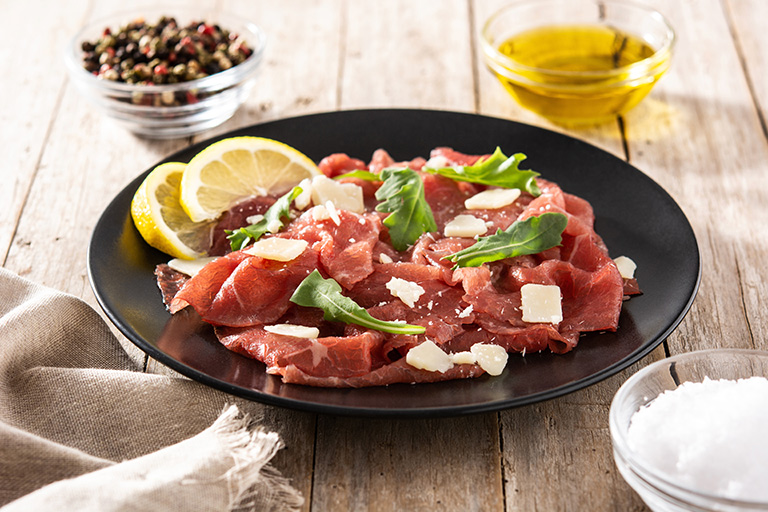
Carne Cruda Albese
A classic among Rivoli’s appetizers. Thinly sliced Piedmontese Fassona beef seasoned with oil, lemon, salt, and shavings of Grana cheese or truffles. Pure excellence and freshness
Wines and drinks
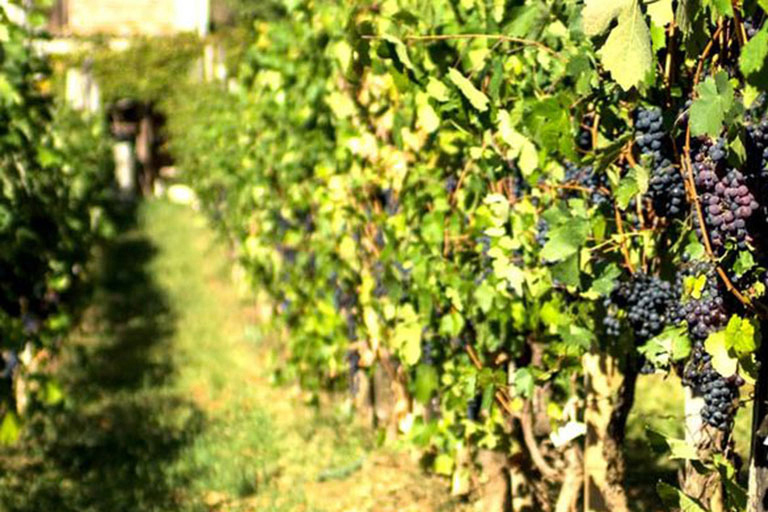
Rivoli, in the province of Turin, does not have specific DOCG or DOC designations, but it is immersed in the heart of the Piedmontese wine region. The typical wines of the area reflect regional tradition, with an emphasis on Nebbiolo and historical native grape varieties.
Historical and Local Wines Nebbiolo di Rivoli (“Nibiol”): An ancient grape variety mentioned in documents dating back 800 years, recently rediscovered and cultivated locally to evoke the historical flavors of Rivoli.
Points of interest
Il Castello di Rivoli
An ancient Savoy residence and UNESCO World Heritage site, the Castello dominates the Rivoli hill, blending medieval and Baroque architecture with contemporary restoration. Originally a stronghold, it was transformed by the House of Savoy into a ducal palace with contributions by Juvarra. Since 1984, it has housed the prestigious Museum of Contemporary Art, featuring works by artists such as Pistoletto and Cattelan.
- Hours: Thu–Sun, 10:00–18:00.
- Facilities: Accessible and equipped with a restaurant.
- A unique union of history and the avant-garde.
Villa Cerruti
Inaugurated in 2019, Villa Cerruti is a center of excellence for the Castello di Rivoli. The residence houses the precious collection of Francesco Federico Cerruti: a treasure spanning from the Middle Ages to Pop Art, with masterpieces by Bacon, Modigliani, and Picasso. The building, nestled in a well-kept garden, reflects the refined taste of the collector.
- Visits: By reservation only, with a shuttle service from the Castello.
- Hours: Saturday and Sunday.
- An exclusive journey through art, history, and beauty.
Villa Cane d’Ussol
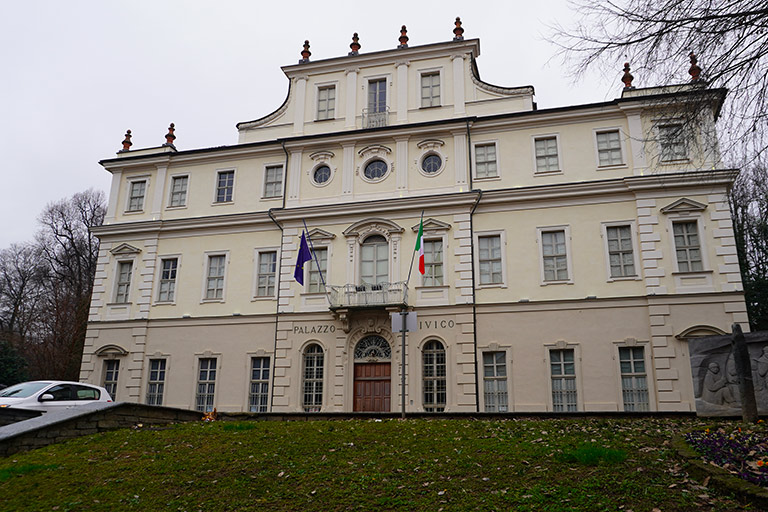
An elegant 18th-century residence on Via Capra, it was designed in 1775 by architect Galletti di Pontestura. Characterized by Neoclassical interiors, it boasts a monumental staircase and a ballroom decorated with fine stuccowork. The Municipality of Rivoli transformed it into an institutional headquarters: today the ground floor houses the Council Chamber, while the upper floor is dedicated to ceremonies and civil weddings. The park serves as a public garden.
Villa Melano
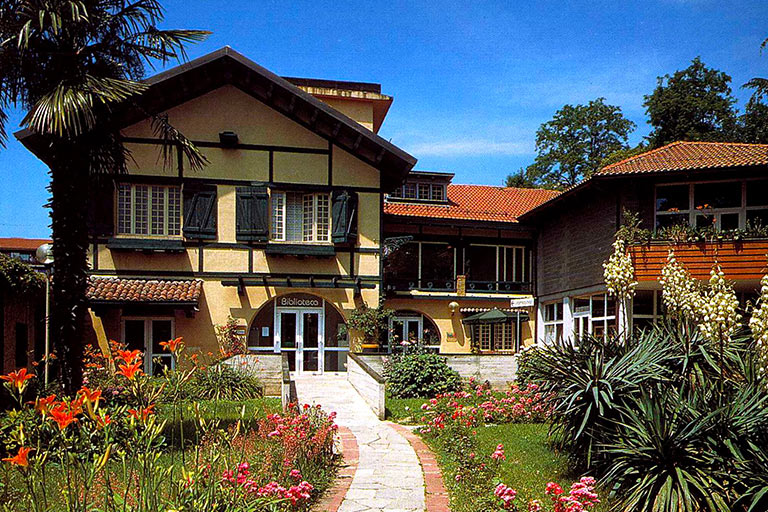
Located on the morainic hill, it originated in 1601 as a Capuchin convent by order of Carlo Emanuele I. In the 19th century, it was transformed by the Melano family into a bourgeois residence, enriched by the “Swiss Pavilion” and the Orangery. After decades of neglect, the complex is currently undergoing a major recovery project: it will host support services for the Museum of Contemporary Art and artist residencies. The surrounding park is named after Margherita Hack.
Collegiata di Santa Maria della Stella
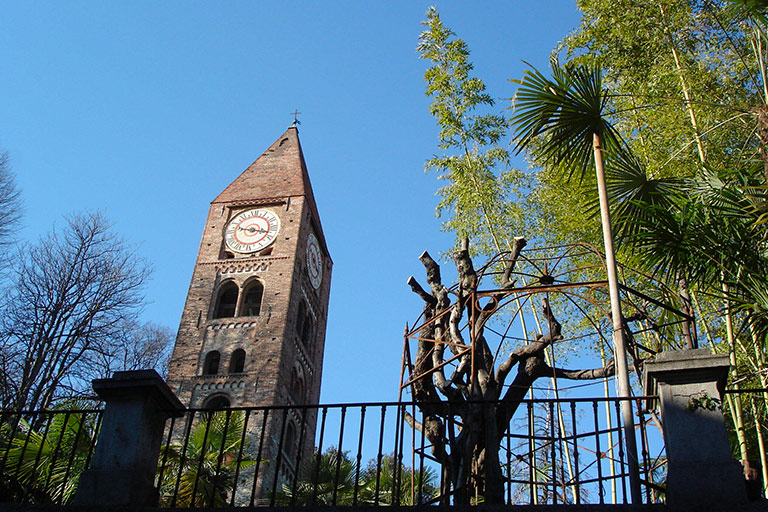
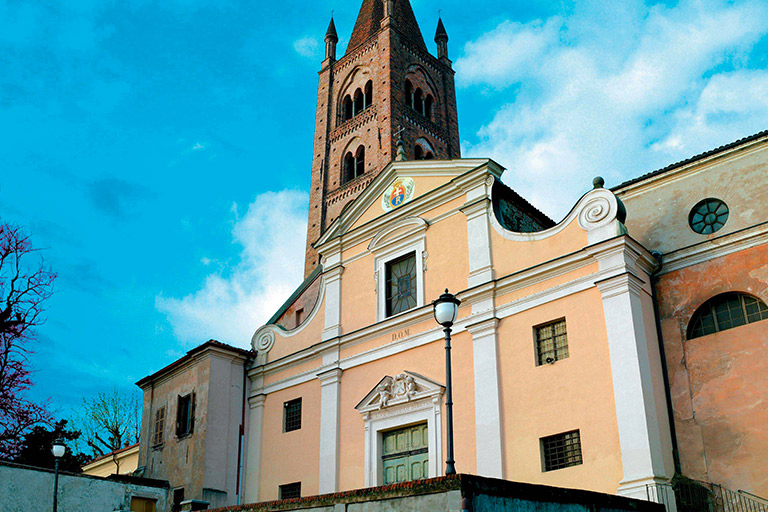
Located in the upper part of Rivoli, it is one of the city’s oldest monuments. Built in the 13th century over an earlier parish church, it features an evocative mix of styles: the bell tower and apse retain Romanesque-Gothic lines, while the interior and facade display elegant Baroque renovations. It houses precious artworks and sacred furnishings, witnessing the central role of the parish in the history of the Rivoli community.
- Location: Via Santa Maria.
- Style: Romanesque-Gothic and Baroque.
Museo Casa del Conte Verde
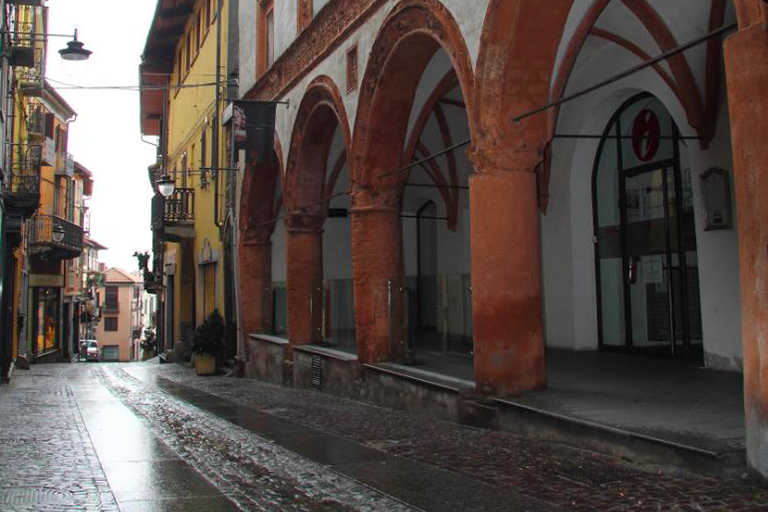
A precious example of 14th and 15th-century civil architecture, the building owes its name to Amedeo VI of Savoy. It features a facade with elegant terracotta decorations, pointed windows, and a medieval portico. Today it is a multifunctional center managed by the Municipality: it hosts temporary exhibitions, conferences, and workshops within its large restored noble halls.
- Location: Via Fratelli Piol, 8.
- Hours: Wed–Fri 16:00–19:00; Sat–Sun 10:00–13:00 / 16:00–19:00.
- Facilities: Accessible and equipped with a bookshop.
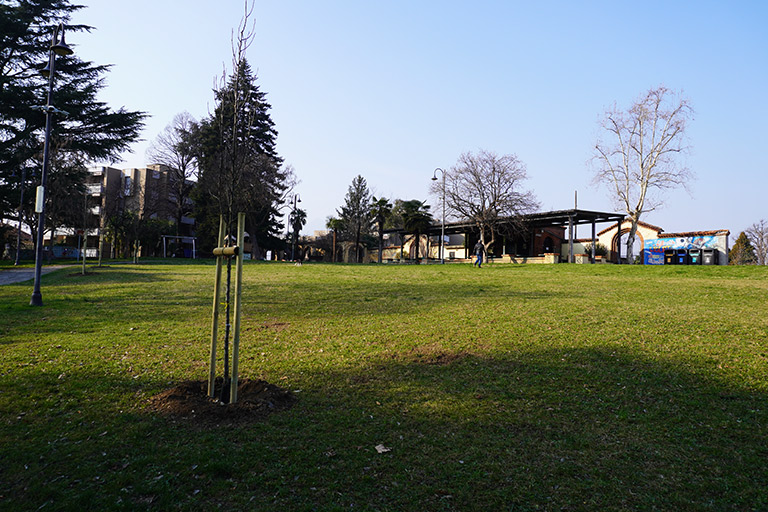
Piazzale Mafalda di Savoia
This is the suggestive viewpoint located at the summit of the Rivoli hill, directly in front of the entrance to the Castello. Named after Princess Mafalda, it offers one of the most spectacular panoramic views of the city, Turin, and the Alpine arc. The square serves as a welcoming area for visitors to the Museum of Contemporary Art and a space for public events, combining the monumentality of the palace with the beauty of the natural landscape.
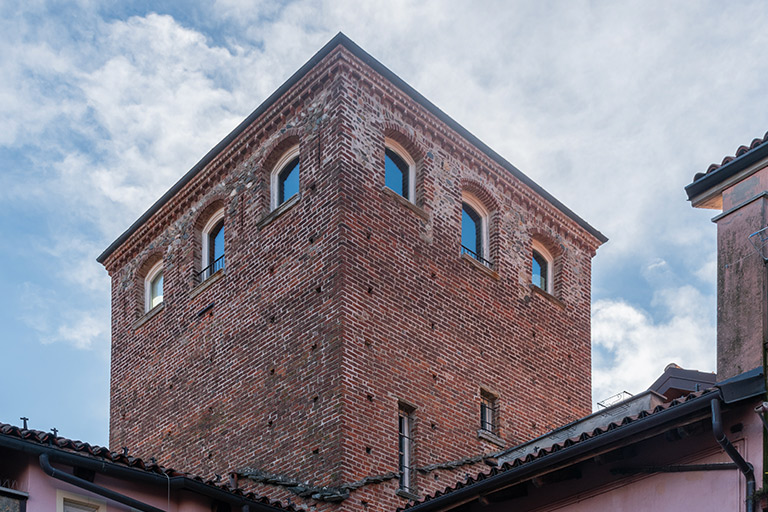
Torre della Filanda
A testament to Rivoli’s industrial archaeology, the structure was part of a 19th-century complex for silk processing. Located at the foot of the Castello, it represents the historical link between the city and the economic development of the territory. Today it is a visual landmark in the urban landscape, preserving the charm of the red-brick architecture typical of the era. A symbol of industriousness that unites a productive past with civic identity.
Sestriere
Overview
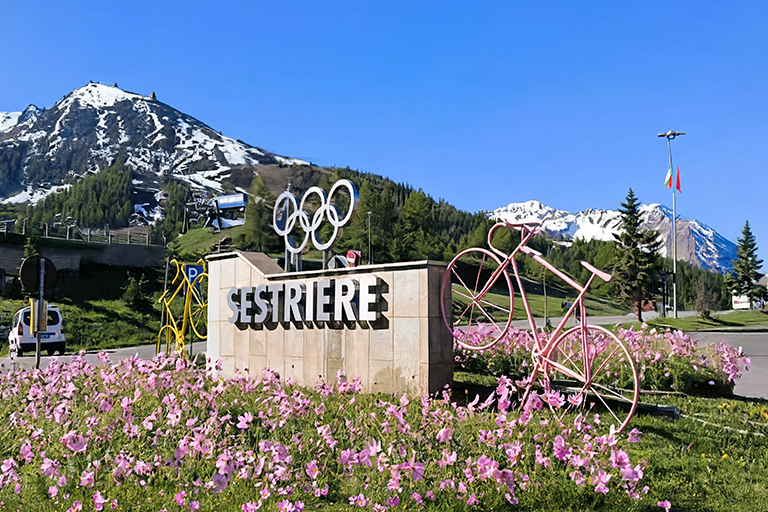
Sestriere, in Piedmont, is one of Italy’s leading ski resorts. Situated in the heart of the Cottian Alps, it forms part of the Via Lattea ski area. The town is famous for its ski slopes and tourist facilities, making it an ideal destination for winter sports. Sestriere is also a starting point for summer hikes and outdoor activities. The town offers spectacular views of the mountains and a lively après-ski scene.
Food
The cuisine of Sestriere, nestled amongst the peaks of the Upper Susa Valley, is deeply rooted in the mountain traditions of Piedmont, featuring rich, hearty dishes that are perfect for coping with the alpine climate. Alpine cheeses are among the stars of the local cuisine: Toma di Sestriere, with its intense flavour and soft texture, is perfect served with honey or polenta, whilst Blu del Moncenisio, a blue cheese with a strong character, pairs well with the region’s red wines.
Points of interest
In winter, Sestriere is the heart of the Vialattea ski area, with over 400 km of slopes stretching all the way to France. Skiers and snowboarders can tackle slopes of all levels, whilst cross-country skiers and snowshoe enthusiasts can explore snow-covered landscapes immersed in the silence of the mountains. The resort, which hosted the 2006 Turin Winter Olympics, is also the venue for international sporting events, including Alpine Ski World Cup races.
In summer, the area becomes a paradise for hikers and cyclists. The trails winding through the Gran Bosco di Salbertrand Nature Park offer breathtaking views and the chance to spot chamois, golden eagles and marmots. Mountain bikers and road cyclists can tackle the legendary climbs of Colle delle Finestre and Colle dell’Assietta, historic stages of the Giro d’Italia.
As well as nature, Sestriere also offers interesting historical and cultural sites. Just a few kilometres away lies the majestic Fenestrelle Fortress, the largest Alpine fortification in Europe, an imposing defensive structure offering spectacular views over the valley. Another unmissable stop is the Fort of Exilles, which tells the story of the battles between France and Savoy.
Video Tappa 08

Giro d'Italia Women 2026 | Tappa 8 | Giro Express
6 Jun 2026Foto Tappa 08
Giro d’Italia Women 2026 | Tappa 8 | Best of
06/06/2026
Giro d’Italia Women 2025 | Tappa 8 | Best of
13/07/2025