International Day of Persons with Disabilities 2025, the interview with Andrea and Agnese
Your typical day resembles that of any high-level athlete: training, planning, recovery, goals. What’s the aspect of your routine that most surprises people who don’t know the Paralympic world up close?
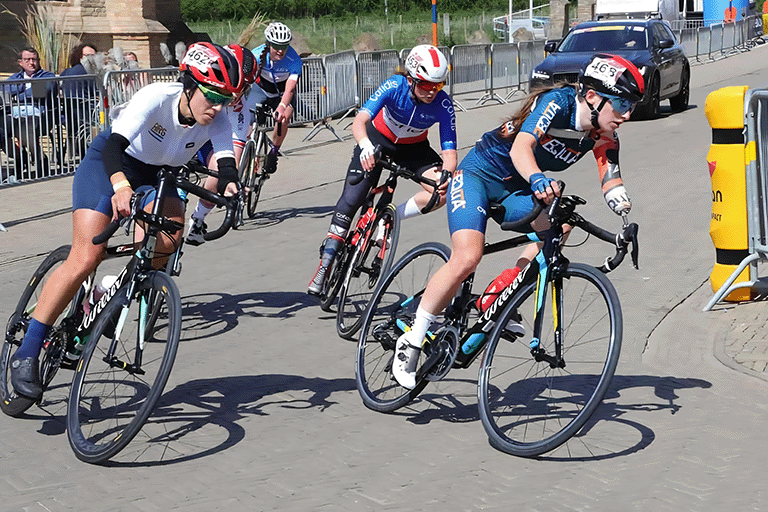
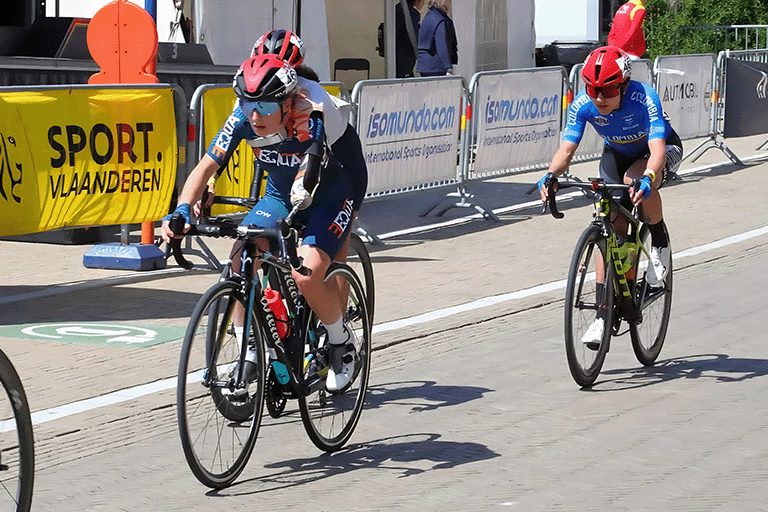
Agnese Romelli: “What surprises people most is how little has changed compared to when I was able-bodied. After about a year I started riding again using one arm and the ‘bike arm’ – the prosthesis made specifically for cycling. It’s not complicated, it’s just a bit painful, especially on rough terrain. You have to avoid potholes and learn to endure. That’s all”.
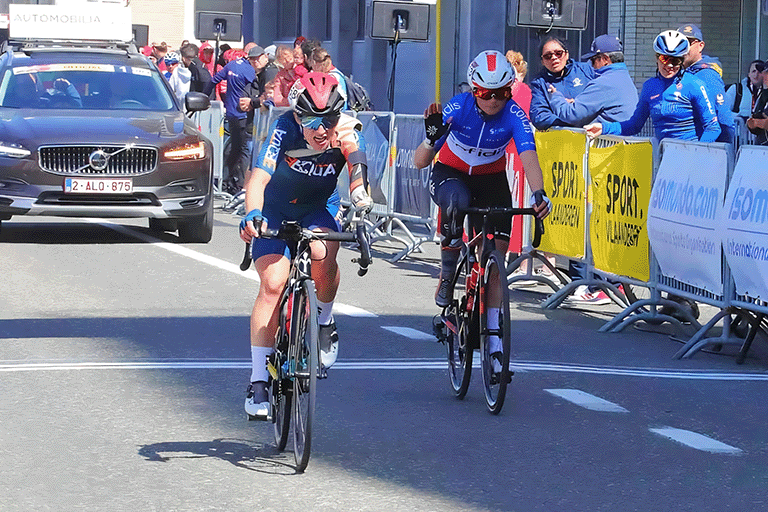
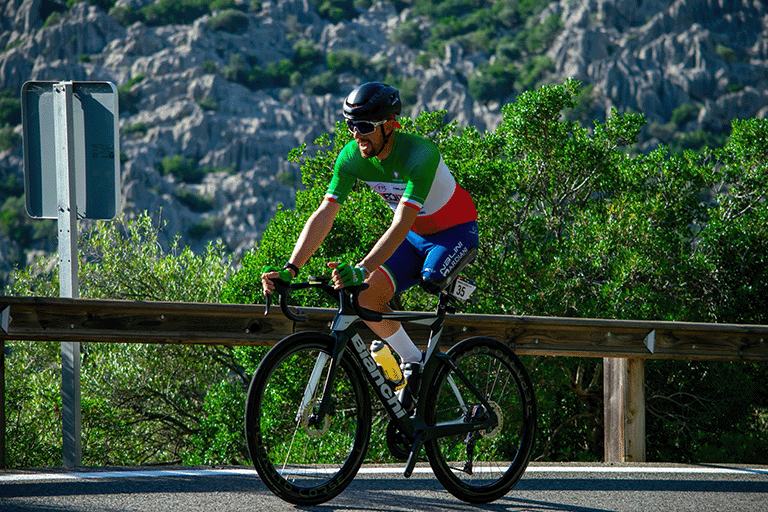
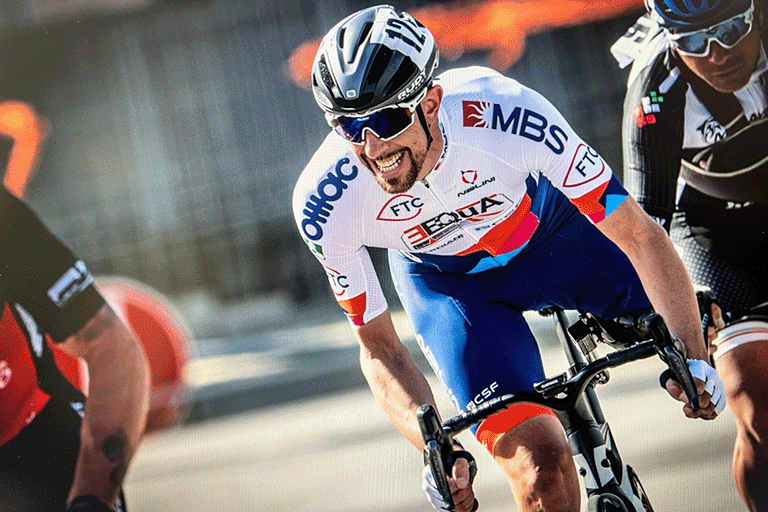
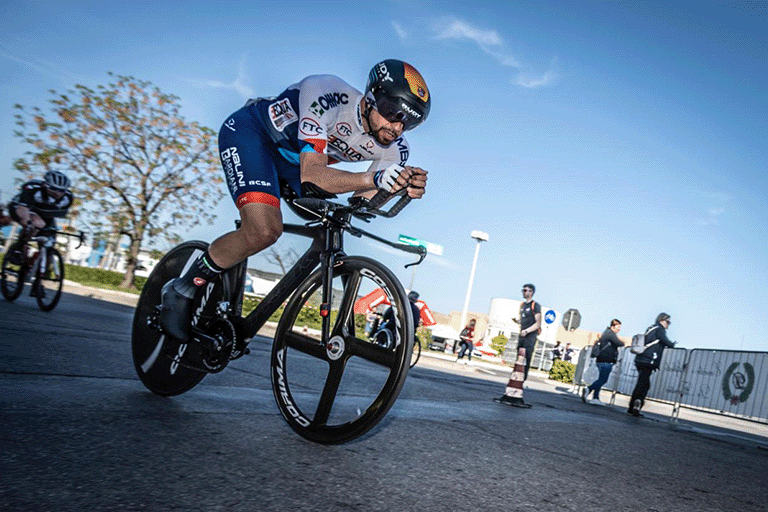
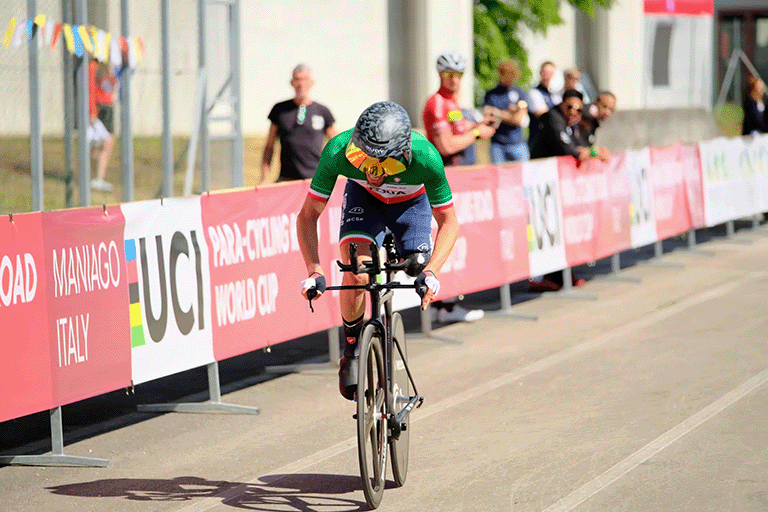
Andrea Casadei: “What seems to surprise people most, from what I’ve been told, is the volume of training we Paralympic athletes handle, along with the consistency, precision and determination we put into it – which is exactly what you need if you want to win something important. Our training volume is comparable to that of an able-bodied athlete. The exercises are often the same, both on the bike and in the gym; we simply had to adapt by finding different ways to perform them. I do six bike sessions a week, split between road and time trial, plus two gym sessions”.
Many still think that a Paralympic athlete ‘adapts’ to sport. In reality, it’s sport that adapts to the athlete, just as it does for everyone. What’s the idea you’d most like to change in those who watch you from the outside?
AR: “I wouldn’t change anything, honestly. On the road, other able-bodied athletes I ride with notice something is ‘missing’. It creates curiosity and leads to inclusion. Those who don’t know our world don’t realise you can ride even with physical limitations. Through our example, we can encourage people to learn about and practise sport with a disability”.
AC: “I’d love for people’s perception of disability to change. Too often we’re seen as something different, someone to pity. I want disability to become normal in everyone’s eyes. To make that happen, we need more media visibility for the entire Paralympic movement. I can say for sure that anyone who has watched a Paralympic competition – and seen what differently-abled athletes can do – starts to see disability with ‘different eyes’. At the same time, it encourages those with disabilities who need strength to get involved. That’s what happened to me: watching the Rio 2016 Paralympics convinced me to take the leap”.
When you train, you do exactly what professional athletes do: structured plans, specific sessions, testing, recovery. What’s your favourite part of the process, and why?
AR: “The most satisfying part is when I come home exhausted: helmet and glasses on the table, I sit for a moment and feel like I’ve given everything. That feeling of having pushed through fatigue and commitments… that’s when you know the training worked”.
AC: “My favourite phase is winter training, when we work a lot on strength in the gym and transform it into cycling-specific exercises. And of course, to get results you need a good coach – someone you trust, someone you exchange feedback with. When everything goes well, it’s incredibly rewarding to see your performance and fitness improve”.
What is the biggest challenge you’ve faced in your journey, and what has it taught you about your way of being an athlete?
AR: “The biggest challenge was learning to live with the pain of the amputation. Contrary to what people think, it’s always there and tests you every day. For me, the challenge was to get used to it and endure it without relying on medication. It taught me that you get nowhere without suffering”.
AC: “The biggest challenge for me was becoming a full-fledged athlete at 360 degrees. Unlike those who start sport as kids and grow into it, I started cycling at thirty, after my accident. More than once in my first competitive year I felt I had jumped into something too big for me. I had joined one of the strongest teams in the world, surrounded by multi-medal champions. I felt out of place. Insecurity is part of us and grows with what’s around us… but I was already dancing, so I had to dance. And it was the best decision I could have made”.
On the International Day of Persons with Disabilities, what message would you like to share with fans of the Giro d’Italia and Giro d’Italia Women, and with anyone dreaming of starting a sporting journey but not feeling ‘good enough’?
AR: “If you don’t put yourself out there, you stay still. Starting is always the right move”.
AC: “My message is that not all dramatic events are only negative. With time, willpower and commitment, you can often find something good even in the worst moments. And for anyone who dreams of starting sport but doesn’t feel ‘suitable’, I can only say: find the courage to take the first step. The rest will follow. Always give your best, never give up, and you’ll see that everyone, in their own way, can achieve something remarkable”.