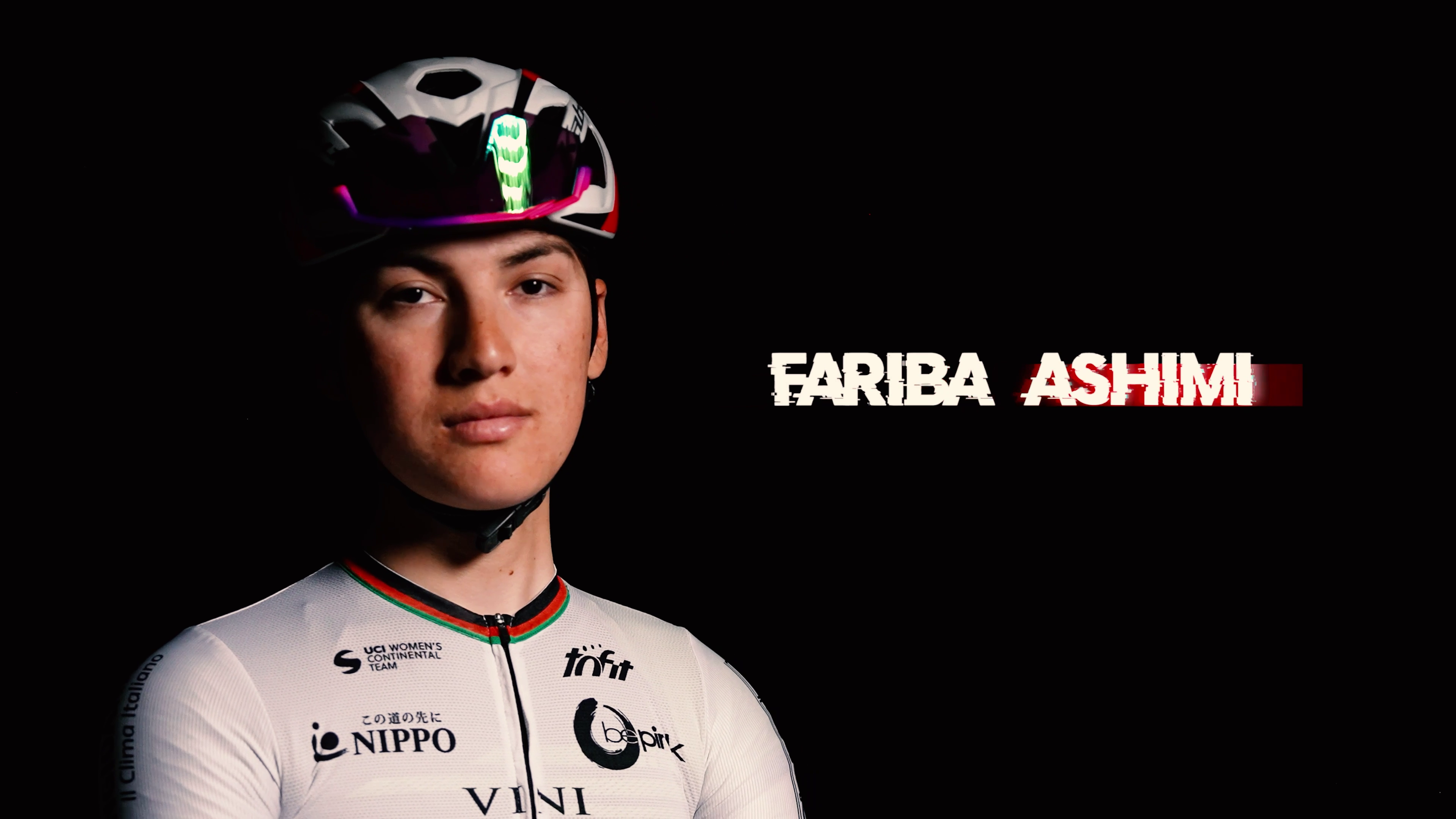
Far Beyond Sport: The Daily Struggle of Women in Afghanistan
Fariba Hashimi’s presence at the Giro d’Italia Women is more than a sporting story; it shines a light on a deeply troubling humanitarian reality. For an athlete born in Afghanistan, riding a bicycle means overcoming barriers that, in her homeland today, deny women some of the most basic human rights. We are talking about a country where it has become increasingly difficult for girls and women to attend school, access education or build an independent future. Current social and political restrictions make even the simple act of stepping outside the home a major challenge for many women.
In this context of deprivation and restriction, the bicycle becomes far more than a means of transport — it becomes a powerful symbol of freedom, independence and self-determination.
The Message That Moved the World: “Every Hateful Word Made Me Stronger”
On the eve of the Grande Partenza, the Afghan rider shared a remarkably powerful testimony through her social media channels — a story of seemingly insurmountable obstacles, restrictions and dreams rescued from the darkness: “Today, a dream I once thought impossible has become reality. I come from Afghanistan, a place where, for many women, even dreaming can feel forbidden. When I rode my bike, people threw stones at me. They shouted that I was a woman, that I wasn’t allowed to race, that I wasn’t allowed to dream, that I wasn’t allowed to learn. But every hateful word made me stronger.”
An adolescence marked by danger, overcome through extraordinary determination and the unwavering support of her family, before finding both safety and professional cycling in Europe and Italy thanks to the support of Alessandra Cappellotto and her current team. “Once, there was a cycling race near my village and my father asked me: do you want to ride? I’m fine with it, but I’m afraid they might kill you. In Afghanistan, this kind of freedom does not exist.”
Fariba Hashimi, riding for the future of all women
As the Giro d’Italia Women moves on to its next demanding stages, Fariba Hashimi’s mission extends far beyond results and finish lines. Every pedal stroke is dedicated to those who remain in her homeland and are still denied the chance to study, move freely or even ride a bicycle.”My goal now is simple: to enjoy every moment, embrace this journey and give my best in every opportunity life offers me. I don’t race just for myself, but for every girl who still dares to dream.”
The Giro d’Italia Women is proud to welcome and provide a stage for stories like Fariba Hashimi’s. She is living proof that the bicycle can be one of the most powerful tools of emancipation, and that the roads of the Corsa Rosa are — and always will be — open to anyone with the strength and courage to claim their future.