
learn more
technical info
profile
map
technical info
Route
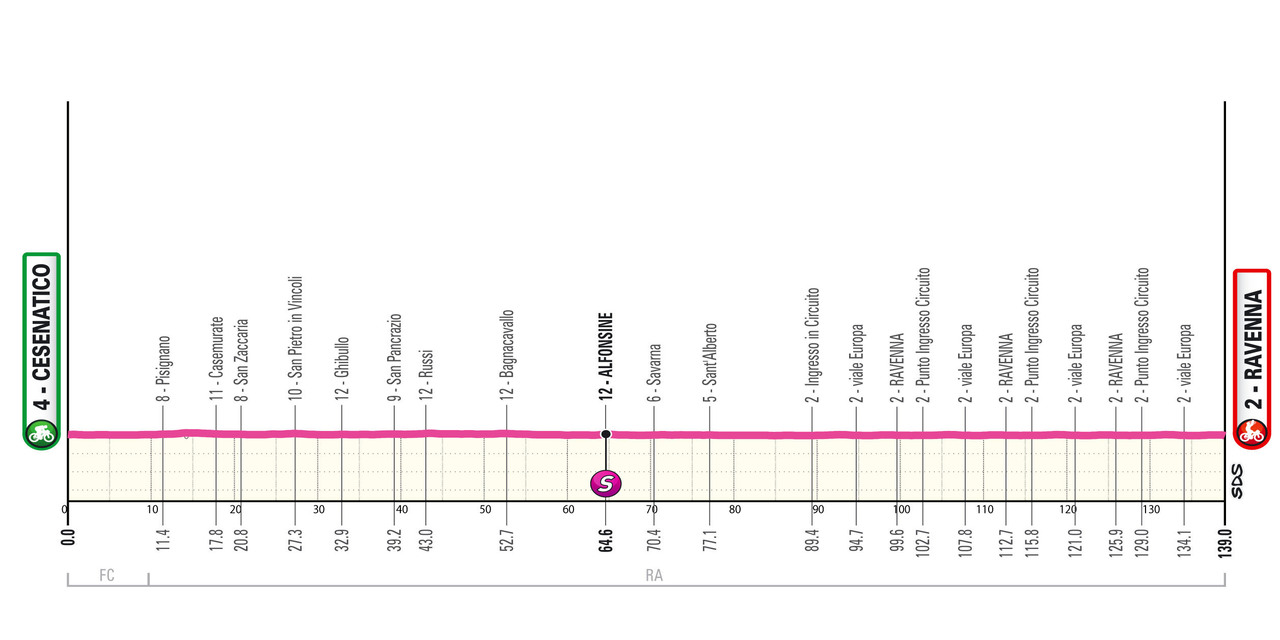
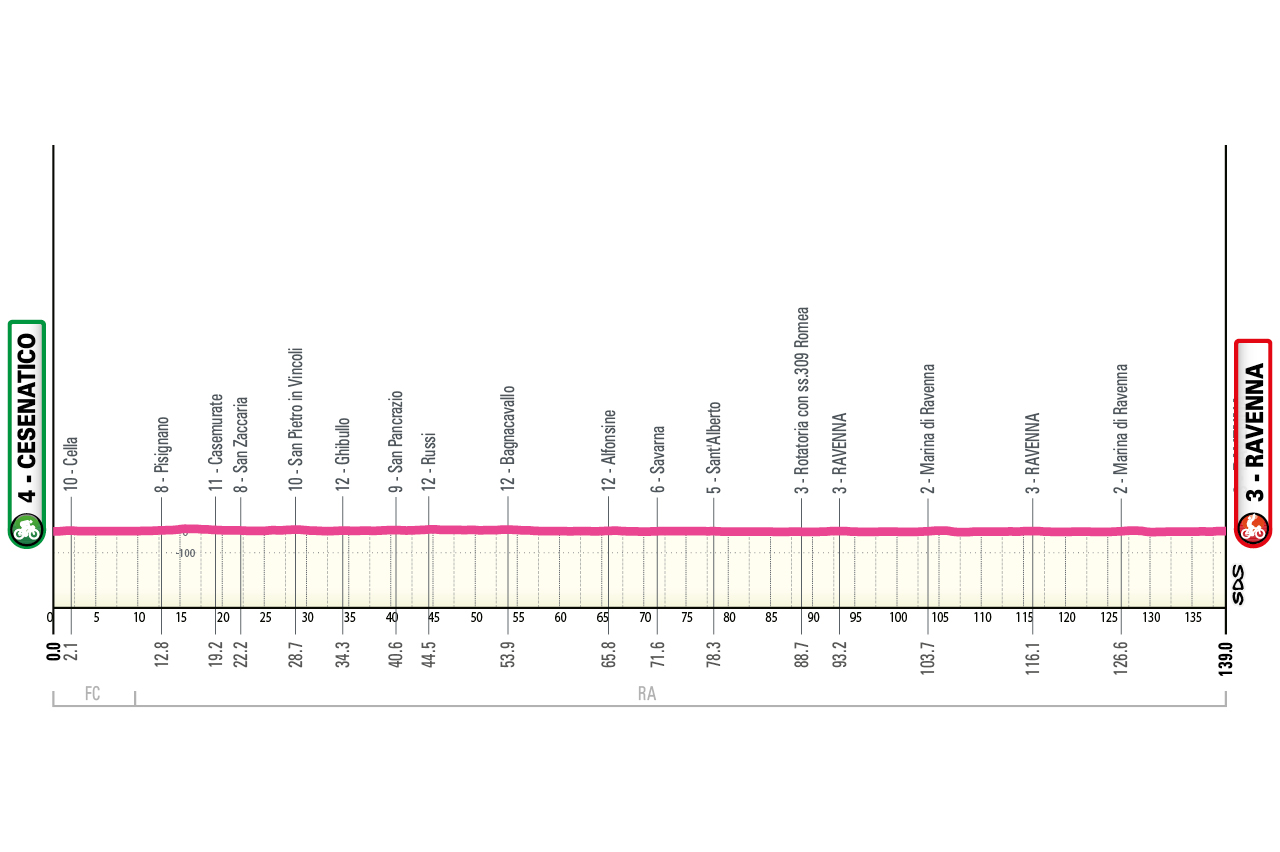
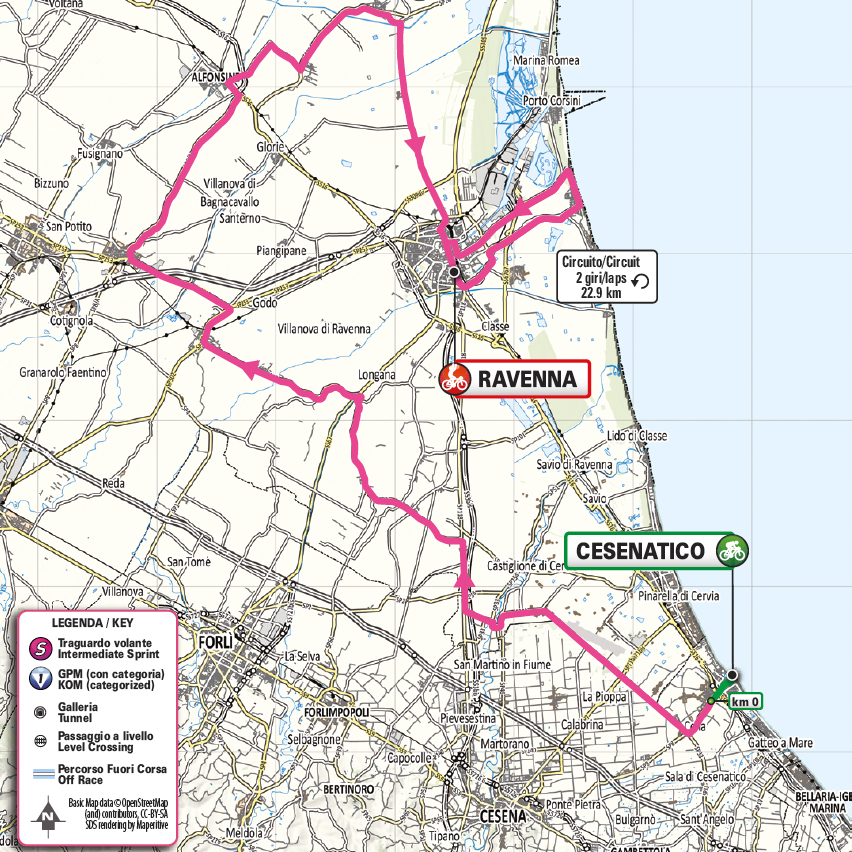
Completely flat stage, featuring an initial point-to-point section from Cesenatico to the first passage across the finish line in Ravenna, followed by three laps of a flat urban circuit, including a more technical section through the city’s historic center. Usual urban traffic-calming features are present, such as roundabouts, speed bumps, and traffic islands.
Final kilometers
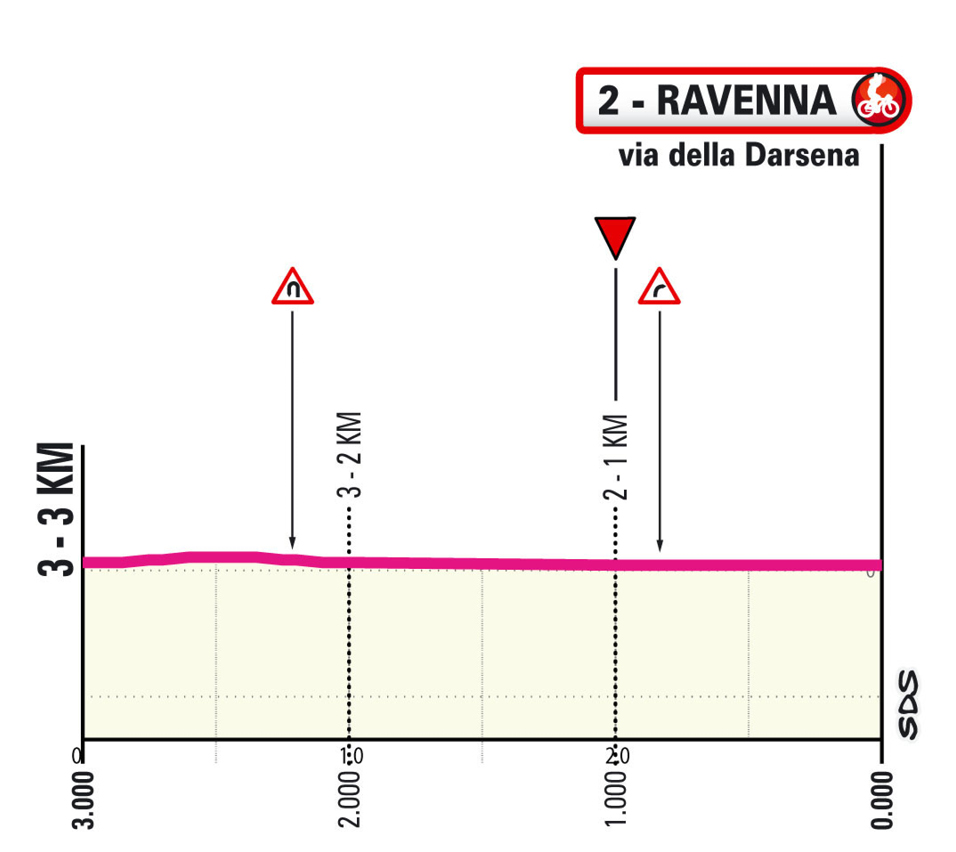
The final kilometres are entirely urban. Of note is a very wide U-turn approximately 2.2 km from the finish. The finishing straight measures 350 m on 8 m-wide asphalt.
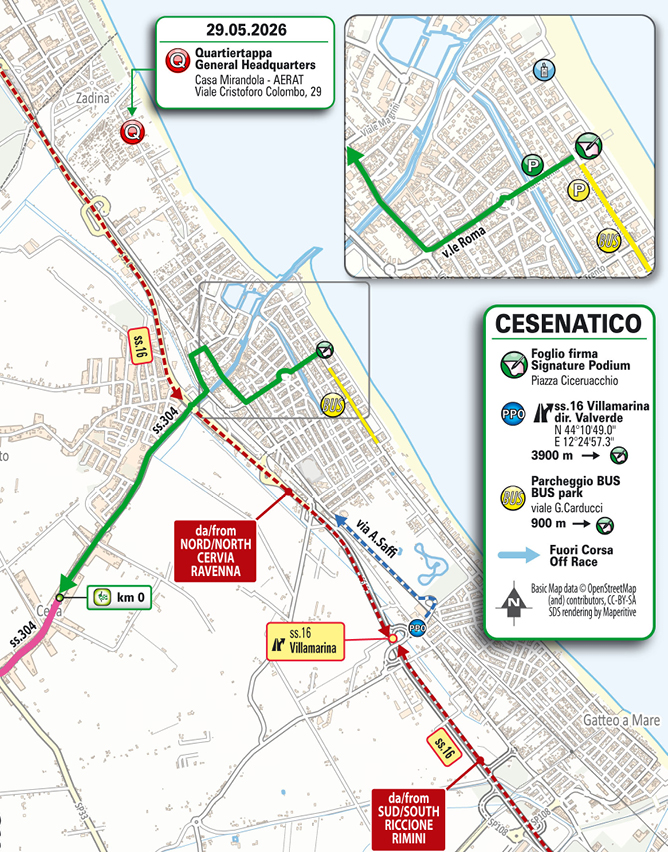
start / finish
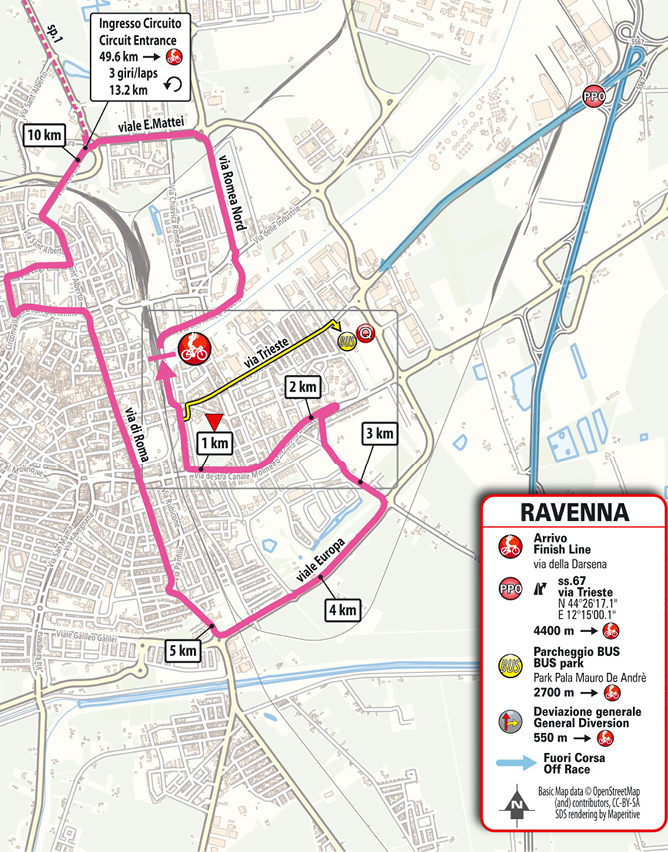
final kilometres
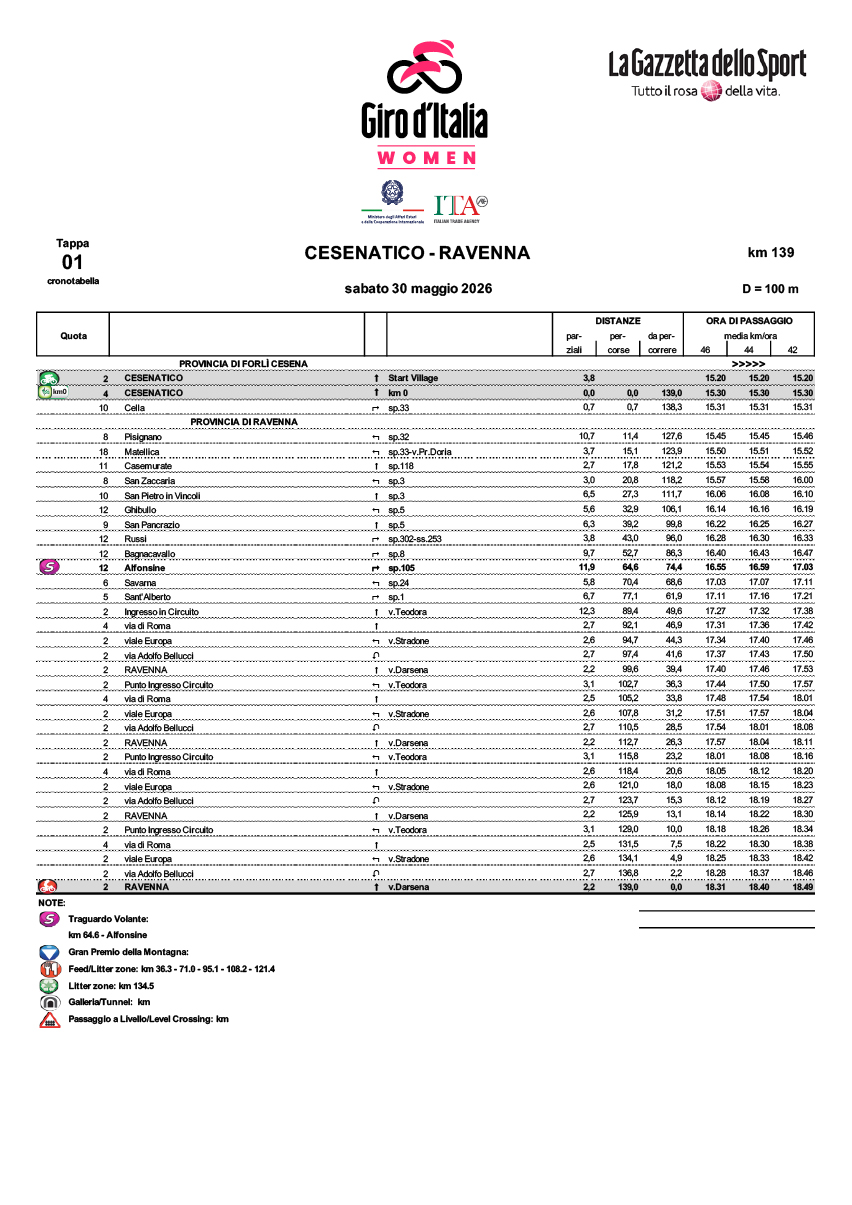
itinerary timetable
tourist info
Host city:
Cesenatico
Panoramica
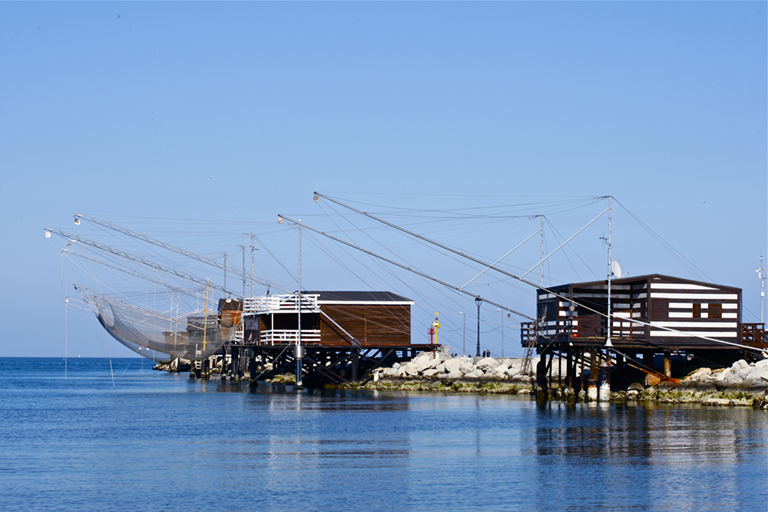
Cesenatico is a seaside resort renowned for its accommodation facilities (300 hotels), which welcome thousands of holidaymakers every summer. The other main economic activity is sea fishing.
Cesenatico’s fishing fleet comprises 70 vessels, which are distinguished by their different fishing techniques: bottom trawlers (25), flying trawlers for blue fish (3), fixed-gear vessels (15), mussel boats (17) and clam boats (10).
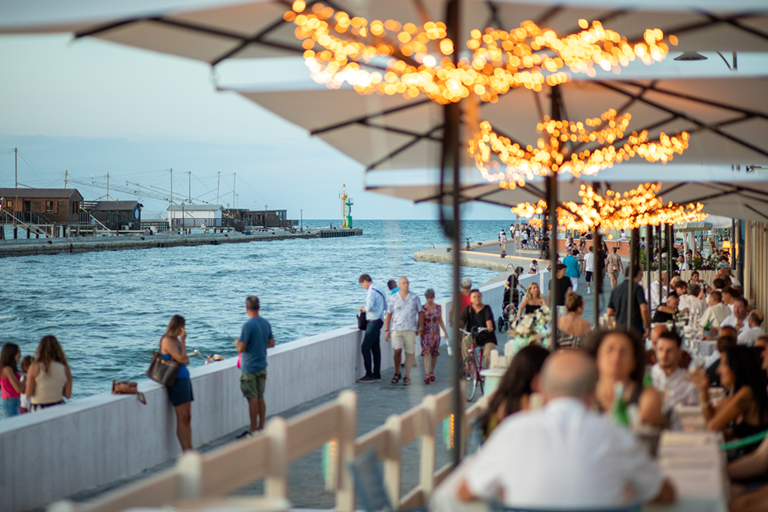
Another important sector of our economy is the catering industry, which is mainly based on fish (122 restaurants and 30 ‘piadinerie’, kiosks selling a flat, thin bread made from wheat flour).
Cesenatico is also home to a branch of the University of Bologna, the Faculty of Agricultural and Veterinary Medicine, offering a degree course in “Aquaculture and Hygiene in Fish Production”.
Cesenatico is also the cycling capital, as it hosts the annual Nove Colli cycle tour, which traverses the picturesque landscapes of the hinterland for over two hundred kilometres, and is the birthplace of champion Marco Pantani.
Over 30 hotels have specialised in catering for cyclists, equipping their premises with facilities for storing bicycles and areas equipped for minor repairs. They also offer menus tailored to cyclists’ needs and provide all the necessary information on the routes.
Gastronomia
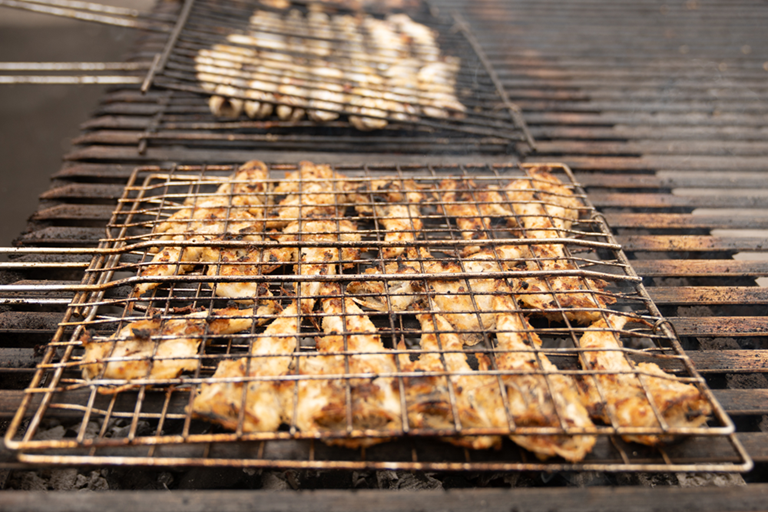
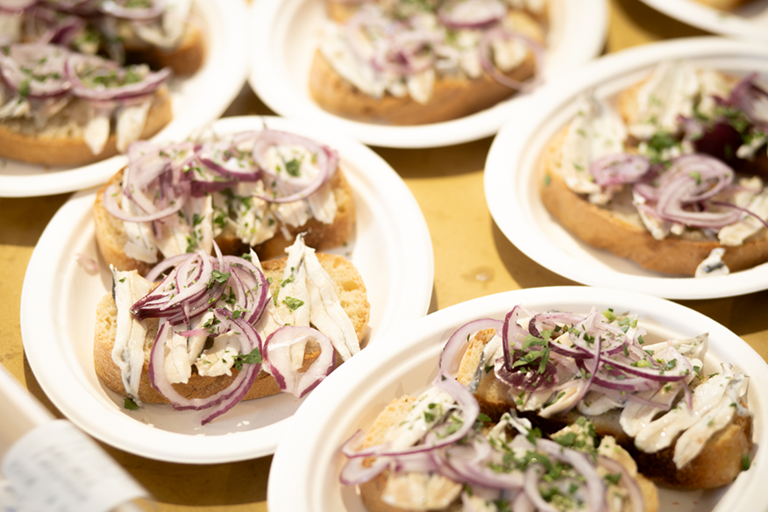
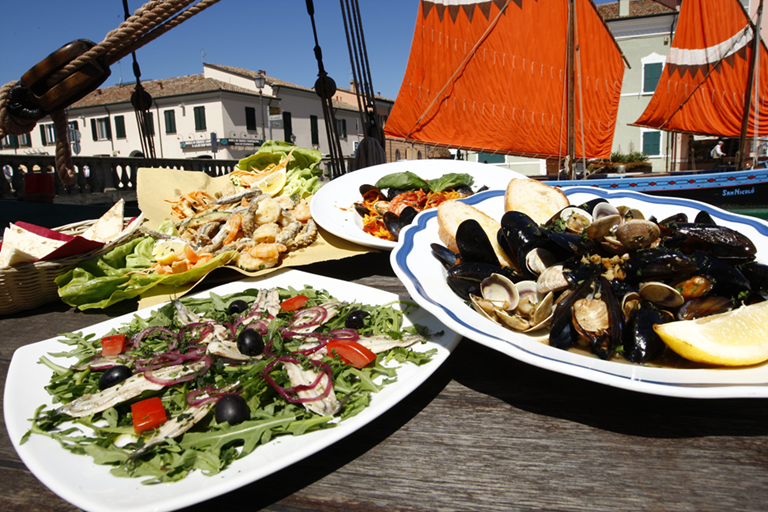
Cesenatico offers a wealth of culinary experiences, from street food to Michelin-starred dishes: fish is the star of the show, thanks to the town’s strong seafaring heritage, complemented by traditional local fare. That is why the town dedicates two festivals each year to fish from the Adriatic: Azzurro come il Pesce (in April) and Il Pesce fa Festa (during the All Saints’ Day festivities in November). The piadina deserves a special mention; it has always been a staple on the tables of the people of Romagna and can be sampled at the traditional kiosks on every street corner.
Punti d'Interesse
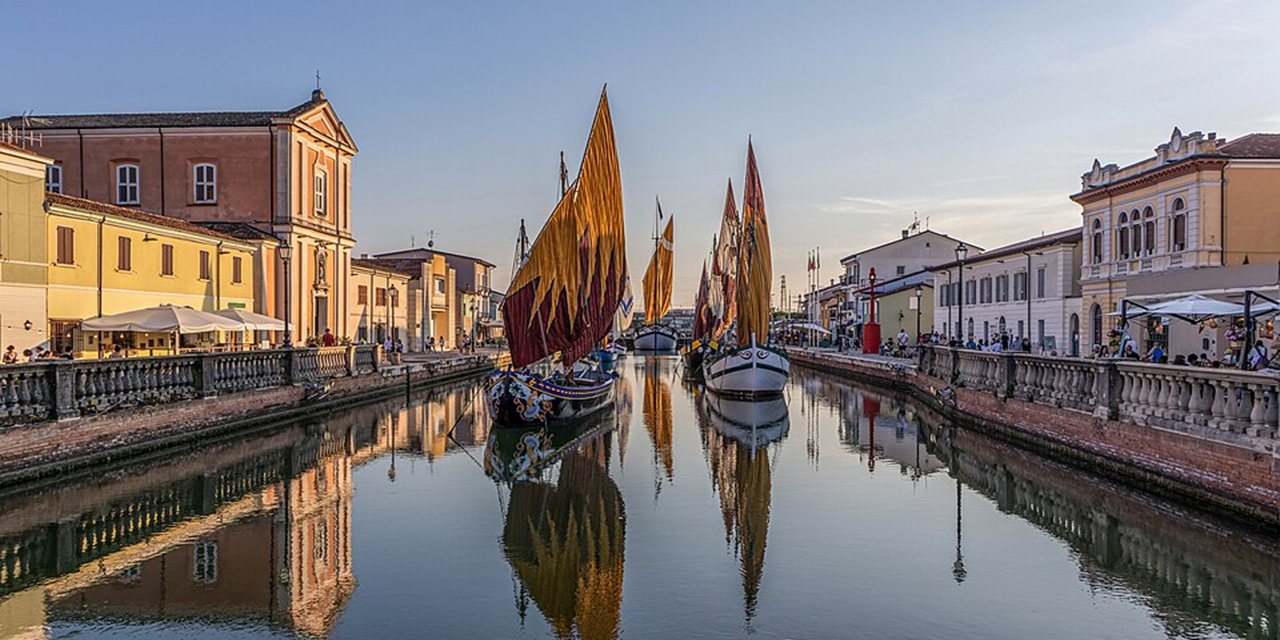
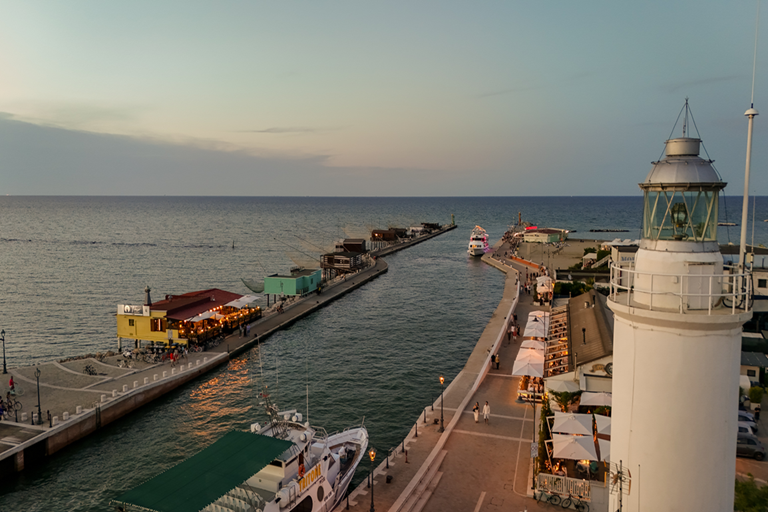
The harbour-canal designed by Leonardo da Vinci
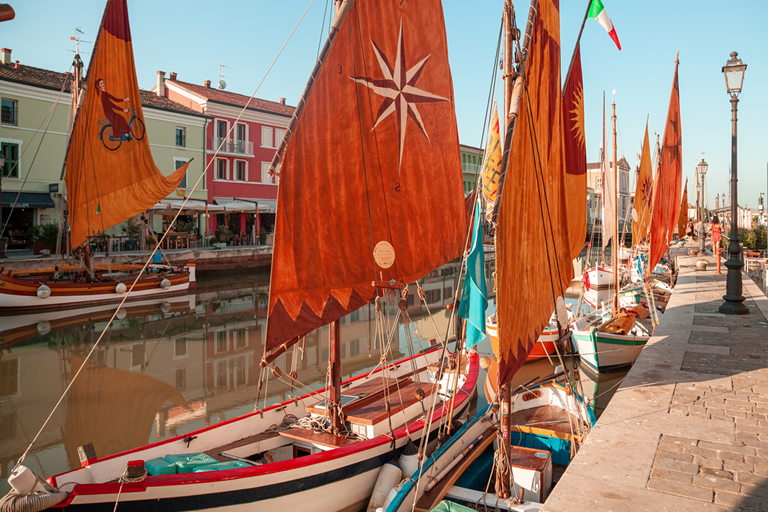
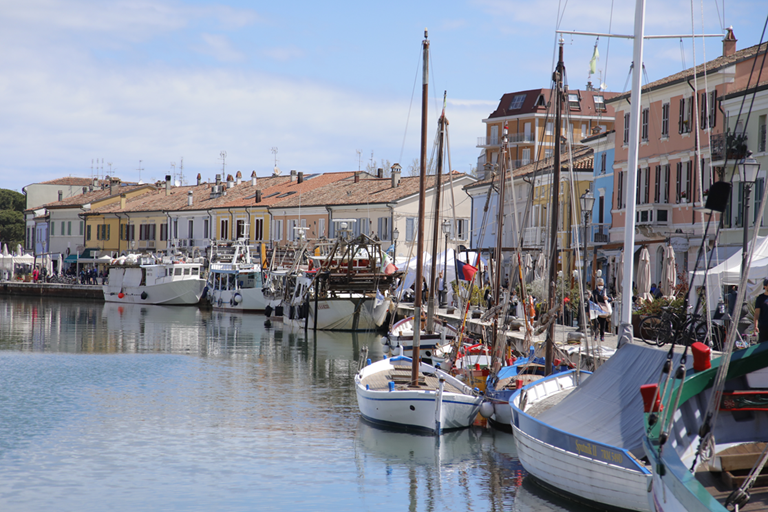
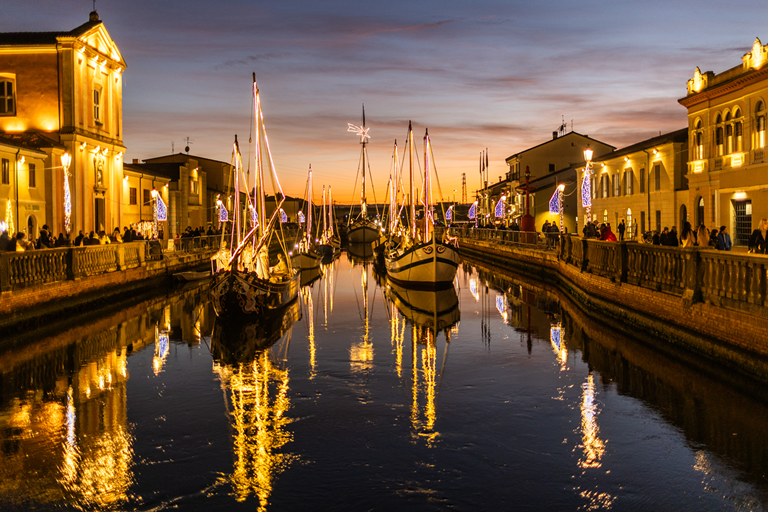
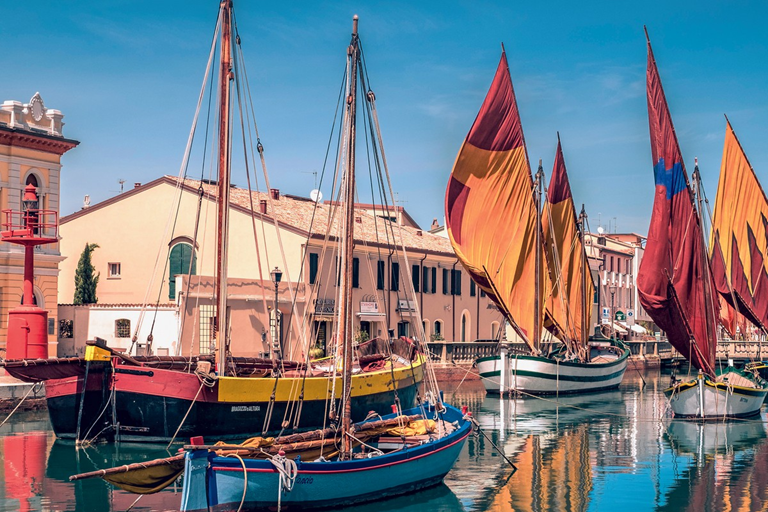
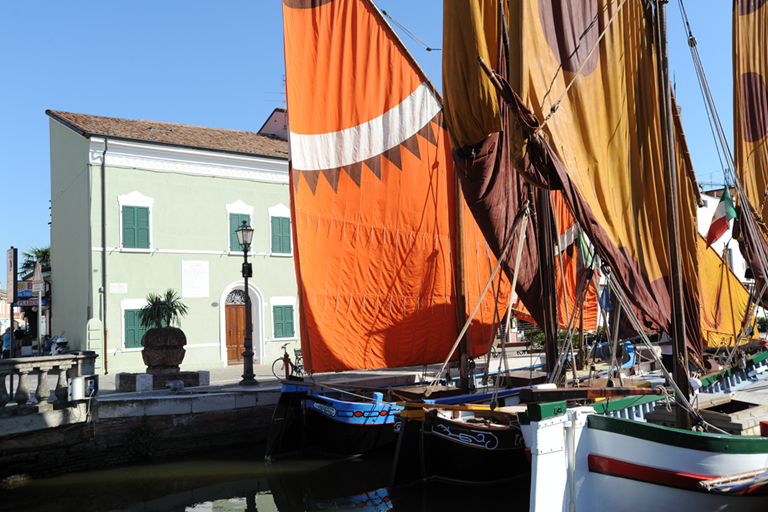
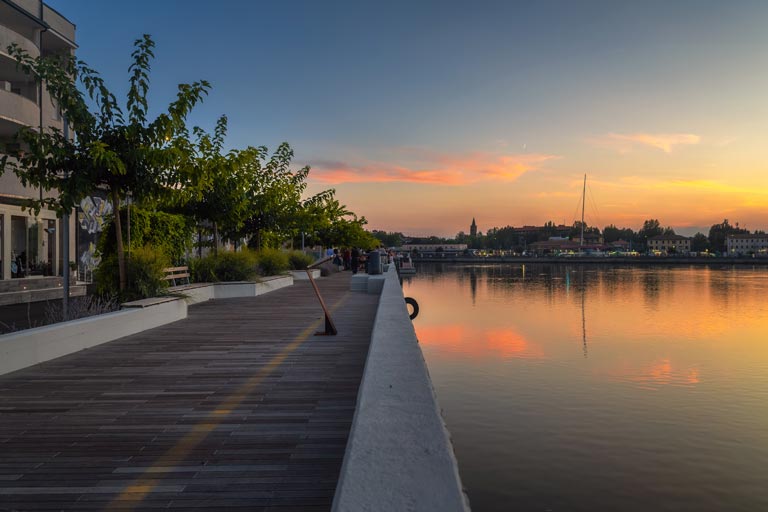
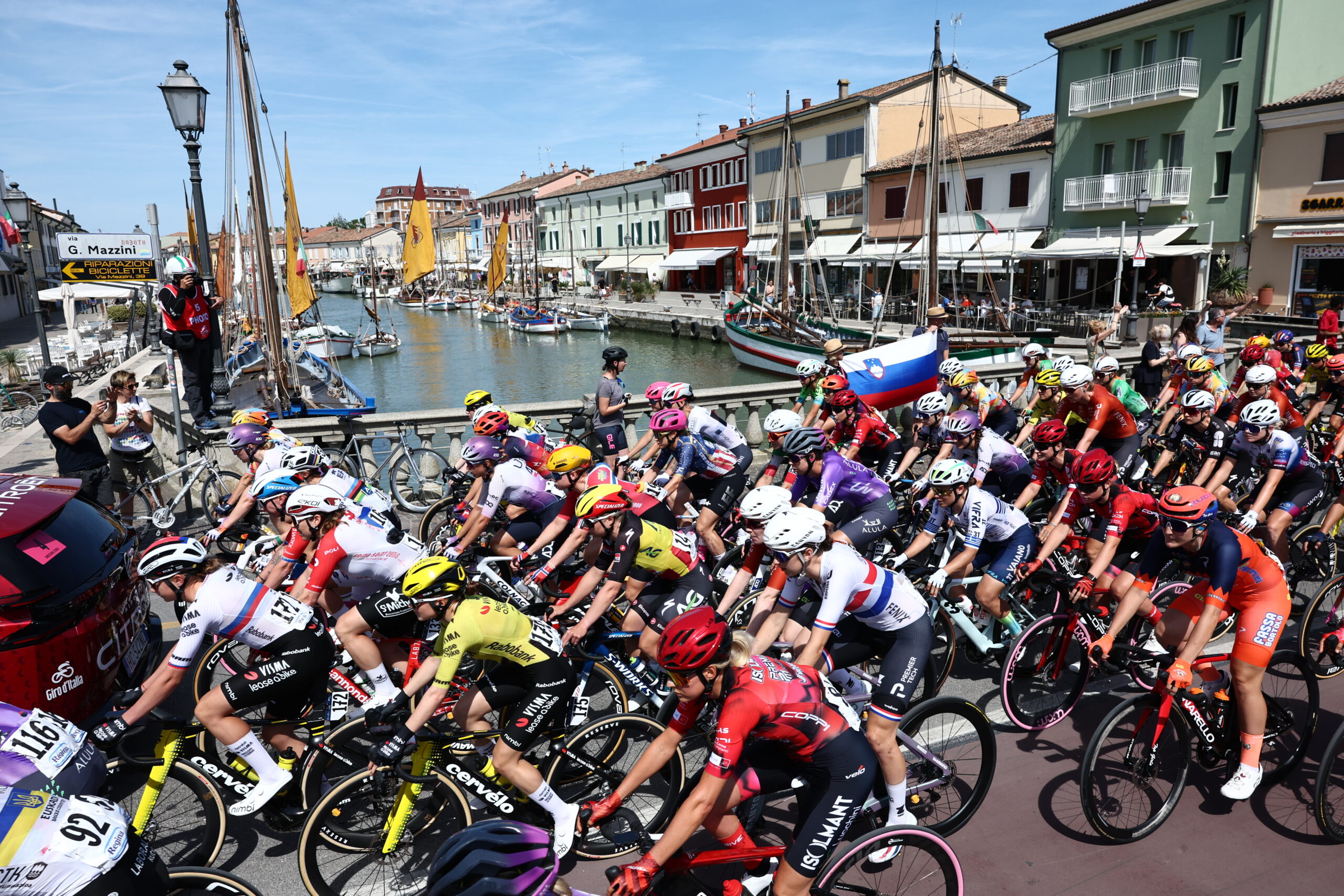
Dug out in the early 14th century by the medieval town of Cesena, it was later constructed according to plans drawn up by Leonardo da Vinci, who was summoned to Cesenatico by Duke Cesare Borgia in 1502. Leonardo carried out a survey of the harbour-canal to introduce technical improvements. The harbour-canal is undoubtedly the symbol of Cesenatico, and the entire historic centre radiates out from it. A stroll along both banks is a must to savour the history of this seaside town, admiring the colourful houses, small shops and elegant buildings overlooking the harbour.
Maritime Museum
Founded: 1980.
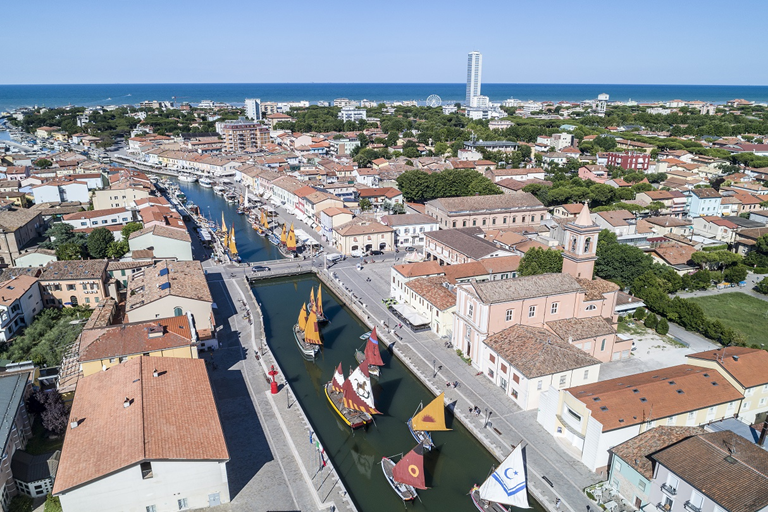
The historic boats of the floating museum 2003
The land-based section of the museum 2005
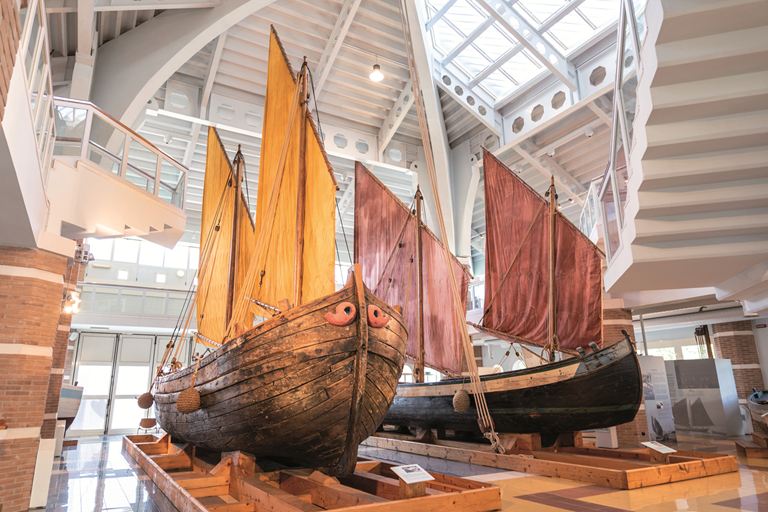
In the stretch of canal between two bridges lies the open-air floating section of the Maritime Museum, dedicated to the life and traditions of sailing in the Upper and Middle Adriatic. Having been restored down to the smallest detail, trabaccoli, battane, bragozzi and other typical vessels used for fishing and maritime transport until the first half of the last century are preserved here. During the summer months, the boats hoist their characteristic colourful sails, a true form of folk heraldry, in which every design and colour corresponded to a fishing family.
The beaches of Cesenatico
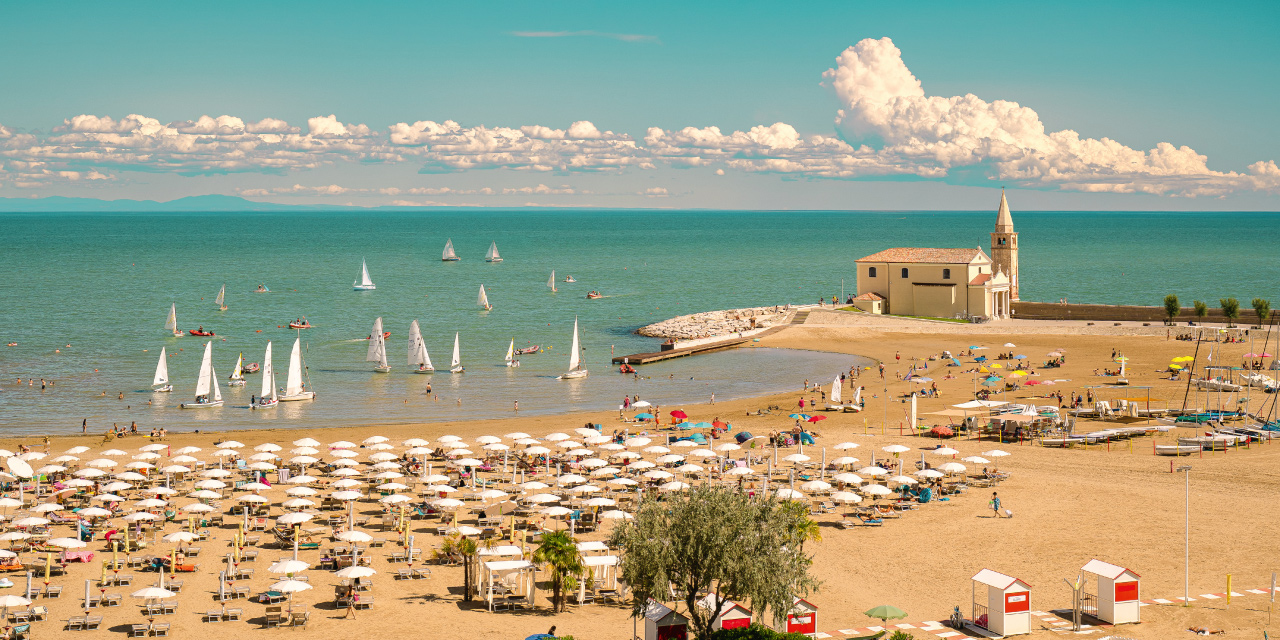
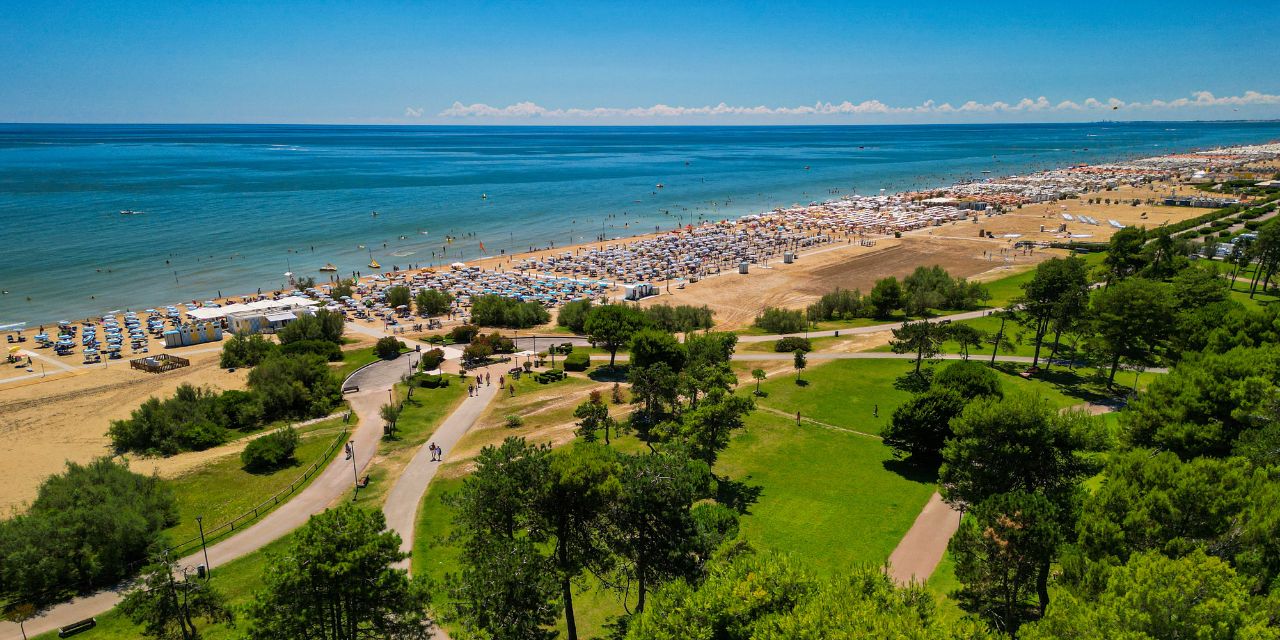
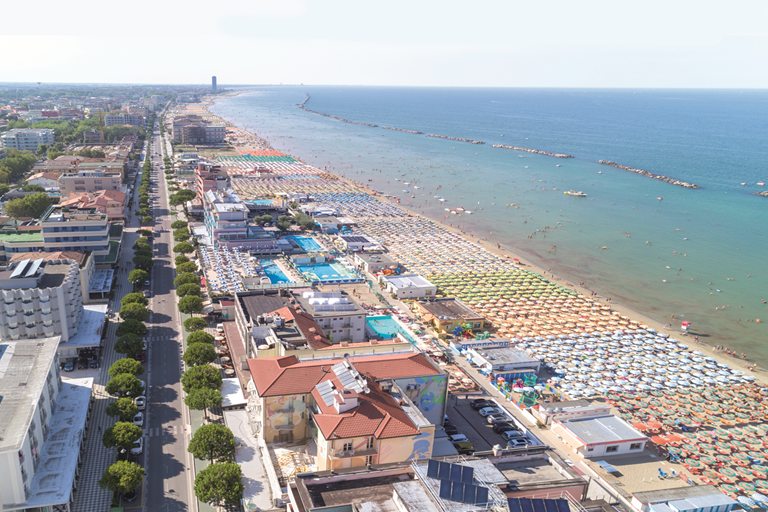
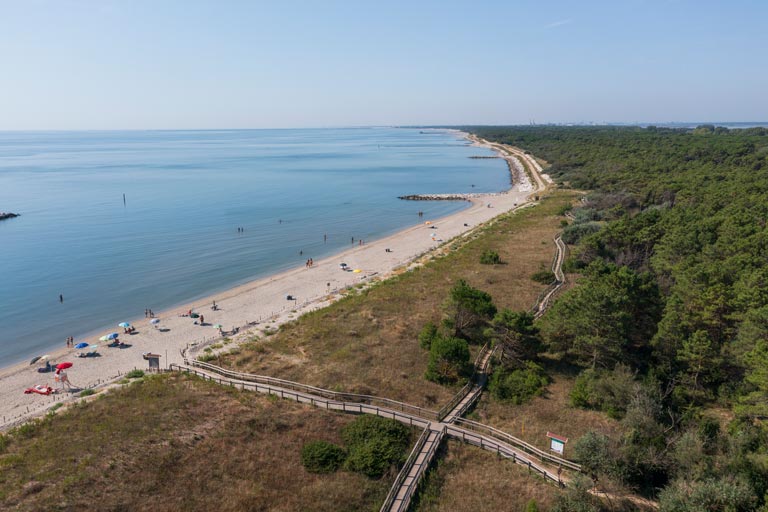
In the heart of the Romagna Riviera, Cesenatico is the ideal destination for a seaside holiday enriched by the warm Romagna welcome. With its wide beaches (7 km), which are safe and offer plenty of activities for families with children, it is also a peaceful spot for camping enthusiasts. Cesenatico’s beach is well-equipped for a wide range of beach sports, from beach volleyball to beach tennis and teqball, as well as water sports from sailing to paddle surfing.
Spazio Pantani
Established: 2006
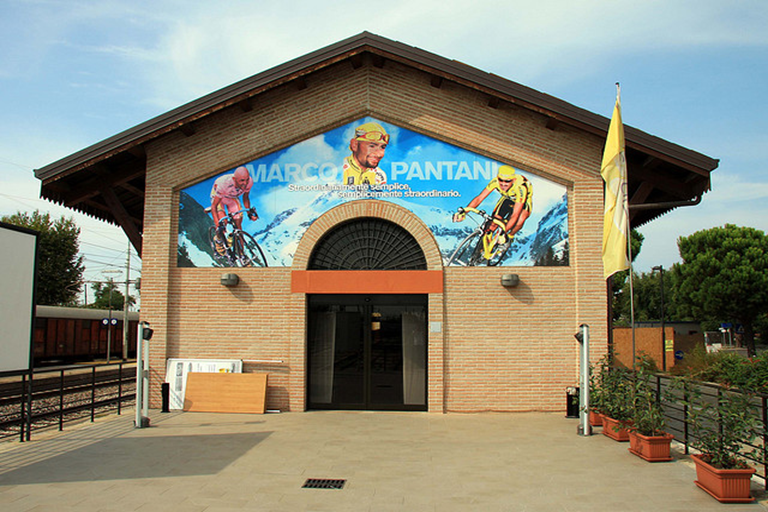
Spazio Pantani is a multimedia museum entirely dedicated to the cyclist and the man Marco Pantani. It covers an area of over 300 square metres and was created by the Pantani family, the Municipality of Cesenatico and the Marco Pantani Foundation to establish a venue designed to perpetuate the memory of the Romagna champion and his epic achievements. The museum opened to the public in October 2006 and is managed directly by the Pantani family, with the aim of generating profits to be allocated to charitable causes. Proceeds from the merchandise sold here also contribute to the funding of charitable activities.
The Marino Moretti House Museum
Established: 1978
The house, now a museum, houses valuable archives and a library of great interest for in-depth studies of contemporary Italian literature, but above all it is an essential place for learning about the man and the writer Marino Moretti. The Institute promotes cultural and research activities, as well as the conservation, protection and enhancement of the heritage: exhibitions, conferences, seminars and advanced courses for Italianists are organised on a regular basis.
Ravenna
Overview
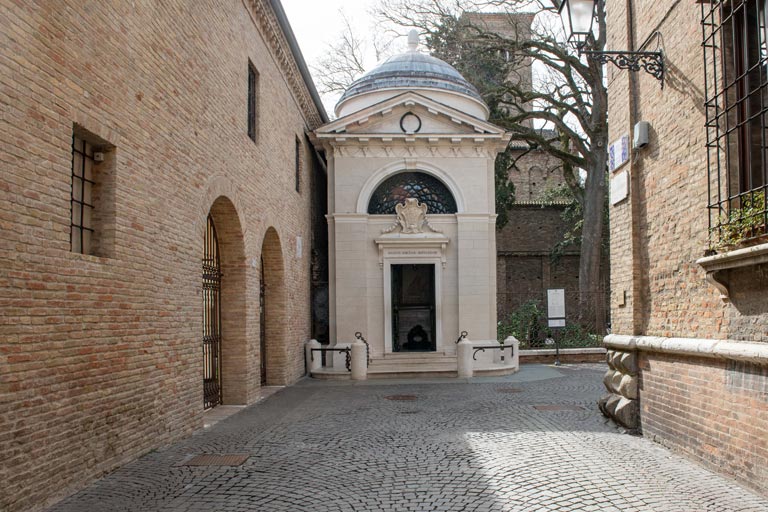
To seek better waters… Perhaps this was the frame of mind in which Dante accepted the invitation from Guido da Polenta, the city’s regent, to move to Ravenna. It was here, in fact, that the exiled poet was able for the first time to reunite his family and complete the Divine Comedy, a work that would forever change the history of literature, not only in Italy but worldwide. Dante died in Ravenna on the night between 13 and 14 September 1321, upon his return from a diplomatic mission to Venice, surrounded by the affection of a group of friends that included the leading figures and intellectuals of the time.
For 700 years, Ravenna has been the resting place of the mortal remains of the poet who is undoubtedly the best known in the world, yet, paradoxically, we have no material evidence of him: not a single line written in his own hand, no possessions, not even a certain date of birth, save what he himself chose to conceal within the pages of his work. For this reason, Dante’s Tomb is the sole and definitive material trace of a mortal life made up of unattainable lights and irresolvable shadows.
Food
During Dante’s lifetime, the first cookbooks began to appear and the art of cooking made enormous strides forward. Food and its preparation began to feature more prominently in literature, and perhaps this is why Dante Alighieri decided to include references to the food and drink of that period in the Divine Comedy, weaving them into the punishments inflicted on souls in Hell or treating food as a metaphor and nourishment for the divine mysteries in Paradise.
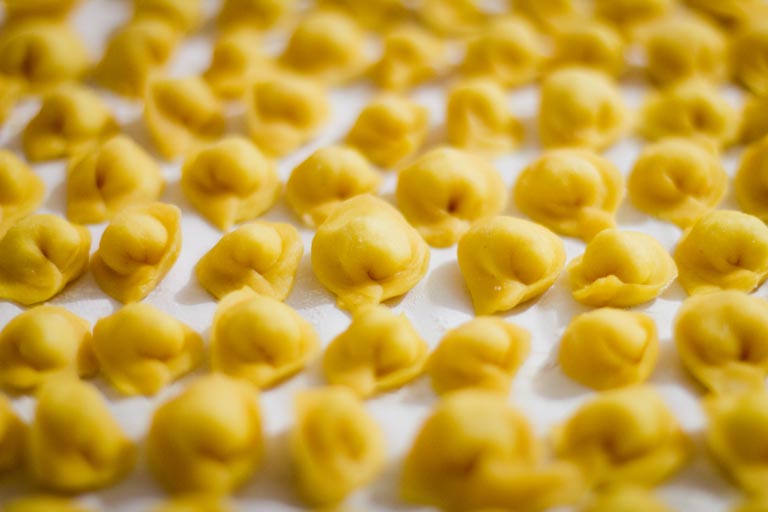
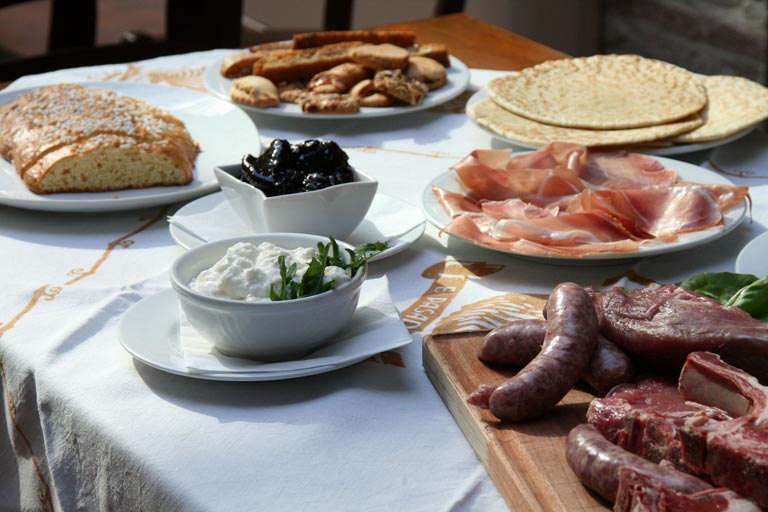
Of course, we cannot speculate on what foods Dante might have found in Ravenna, but the legend surrounding the ‘egg episode’—which Dante considered the finest food in the world—leads us to believe he would have appreciated the simplicity of the piadina, used in cooking in place of bread and regarded as one of the cornerstones of Romagna’s gastronomic culture. In Ravenna, it is thicker and is stuffed in a thousand different ways: with cured meats, cheeses (first and foremost Squacquerone di Romagna PDO), with fish such as saraghina (blue fish grilled on a rack, breaded and flavoured with parsley and garlic), but also with vegetables, creams, desserts and jams. Romagna’s cuisine, as is well known, is dominated by fresh pasta, used to prepare excellent first courses, particularly in rich broths. There are passatelli, made with a dough of egg, breadcrumbs, Parmesan and nutmeg, but also cappelletti, strictly handmade using a chopping board and rolling pin and filled with cheese and Parmigiano Reggiano.
There is also no shortage of tagliatelle, usually served with a meat ragù, and strozzapreti – a simpler dish but no less tasty – made with water, flour and salt. Among the typical desserts, the best known and most famous worldwide is zuppa inglese (a dessert made with custard, Alchermes liqueur and ladyfingers), but the simpler Romagna ciambella is also a local favourite. Those wishing to find out more can turn to the work of the Romagna-born Pellegrino Artusi: 790 recipes of peasant origin contained in a single book, entitled “Science in the Kitchen and the Art of Eating Well” (1891).
Points of interest
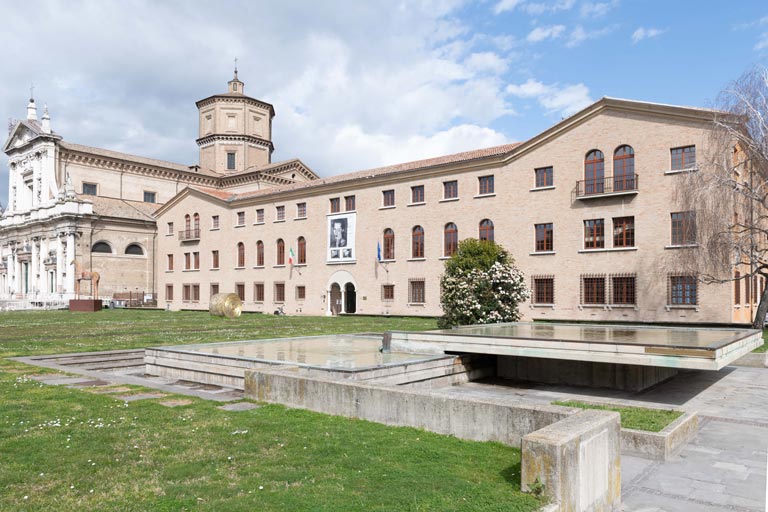
The heart of Dante’s Ravenna is Dante’s Tomb, situated within the so-called ‘Zone of Silence’, a place of pilgrimage, reverence and tribute to the Supreme Poet. The current tomb was completed in 1782 to a design by the architect Camillo Morigia. The interior of the tomb, clad in marble for the Centenary in 1921, houses the sarcophagus containing Dante’s remains. In the centre of the small chamber hangs a lamp fuelled by oil from the Tuscan hills, which every year, on the second Sunday in September, the City of Florence solemnly brings as a sign of devotion. Adjacent to the Tomb are the Ancient Franciscan Cloisters, home to the library of the Dante Centre and the Dante Museum, established in 1921 and refurbished for this centenary as a place for experiencing and learning about Dante’s life and work. To the side of the Tomb lies the Quadrarco di Braccioforte where, alongside ancient sarcophagi, lie the remains of the walled-up doorway where, in 1865, the casket containing his mortal remains was discovered—remains that had been hidden by the Franciscan friars to prevent their transfer to Florence—and a mound covered in ivy marking the spot where they were sheltered during the Second World War.
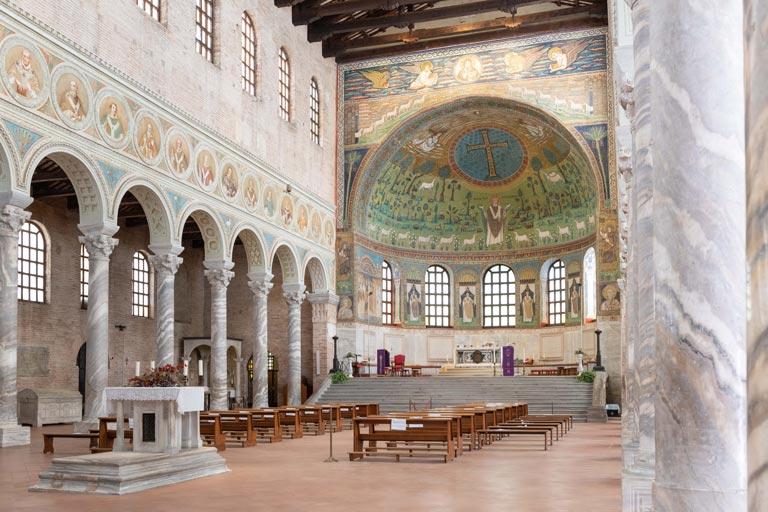
The bond between the people of Ravenna and Dante is, in fact, so deep that throughout history many measures were taken to preserve and safeguard his remains in his final resting place. This precious hub of history and memory is crowned by the Basilica of San Francesco which, although dating back to the mid-5th century, became the favourite church of the Da Polenta court during the medieval period. The Da Polenta family, lords of the city, hosted Dante and it was probably the church most frequented by the poet himself, whose funeral was held here in 1321. The basilica overlooks the square of the same name, closed to traffic, a place much frequented by the people of Ravenna and a regular venue for cultural and performing arts events. Dante was certainly not indifferent to the beauty of the ancient Byzantine mosaics, many of which have survived to the present day in perfect condition, and for this reason have been included on the UNESCO World Heritage List.
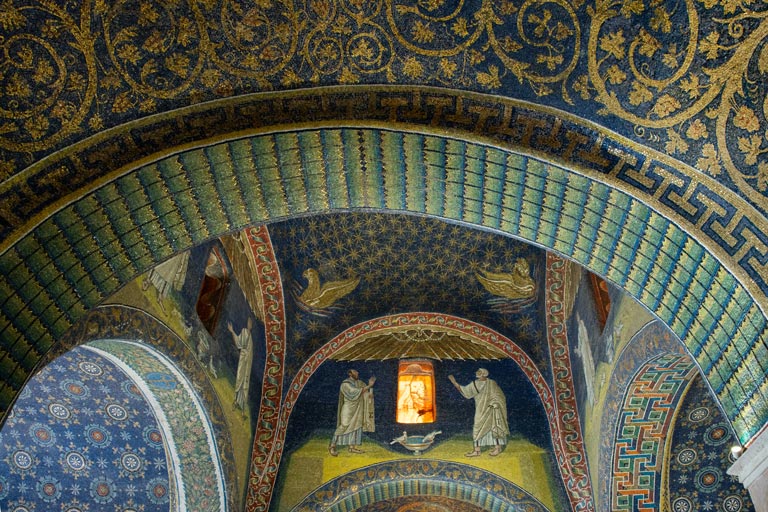
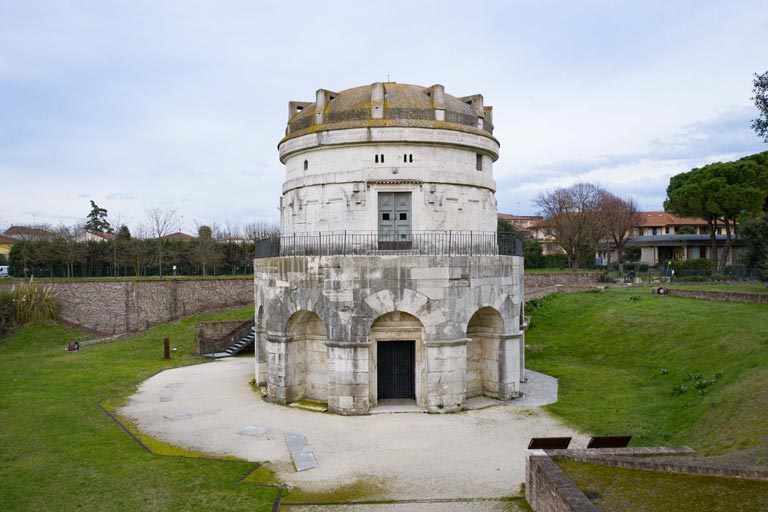
The Basilica of San Vitale, the Mausoleum of Galla Placidia, the Arian and Neonian Baptisteries, the Basilicas of Sant’Apollinare Nuovo and in Classe, and the Archbishop’s Chapel recount, through the sublime art of the mosaic – capable of bringing history to life with light and colour – the history of a region and a city that was chosen as capital on three occasions: first of the Western Roman Empire, then of Theodoric, King of the Goths, whose imposing Mausoleum can be admired and which completes the number of eight monuments protected by UNESCO, and finally of the Byzantine Empire in Europe. This rich monumental heritage reflects the most significant political and religious events of the end of the Ancient World and tells the story of that dense network of artistic figures, exchanges and cultural relations that laid the foundations of contemporary Europe.
Videos Stage 01

Giro d'Italia Women 2026 | Stage 1 | Flash Highlights 🇬🇧
31 May 2026
Giro d'Italia Women 2026 | Stage 1 | Last KM 🇬🇧
30 May 2026
Giro d'Italia Women 2026 | Stage 1 | Giro Express
30 May 2026Photos Stage 01
Giro d’Italia Women 2026 | Stage 1 | Best of
31/05/2026
Giro d’Italia Women 2025 | Stage 1 | Best of
06/07/2025