Food
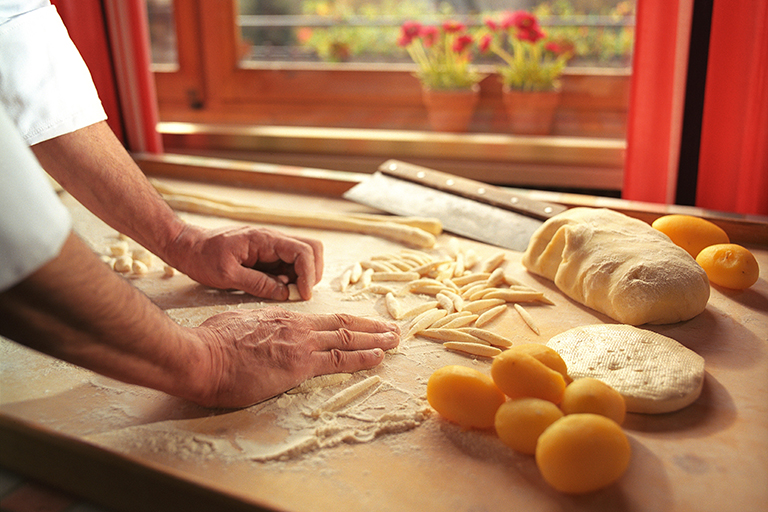
Ravioles
Fresh pasta from the Alpine tradition, filled with potatoes and Toma, seasoned with melted butter and sage. Symbolic dish of the Saluzzo valleys, with a simple and authentic taste.
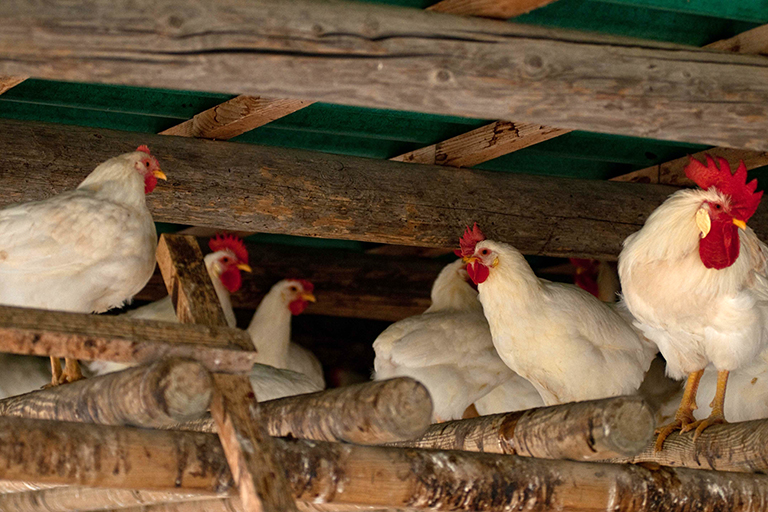
White Hen of Saluzzo
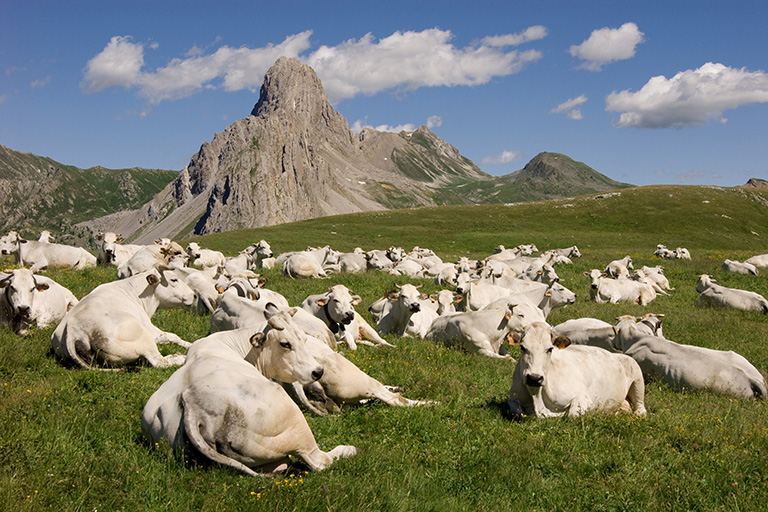
Native poultry breed, Slow Food Presidium, appreciated for firm and tasty meats. Raised on the ground, she is the protagonist of traditional recipes and a garrison of local peasant culture.
Piedmontese breed cow
Bovine excellence known for lean, tender, low-fat meat. Bred in the Cuneo countryside, it is a base for knife beating and braising.
Red Apple Cuneo IGP
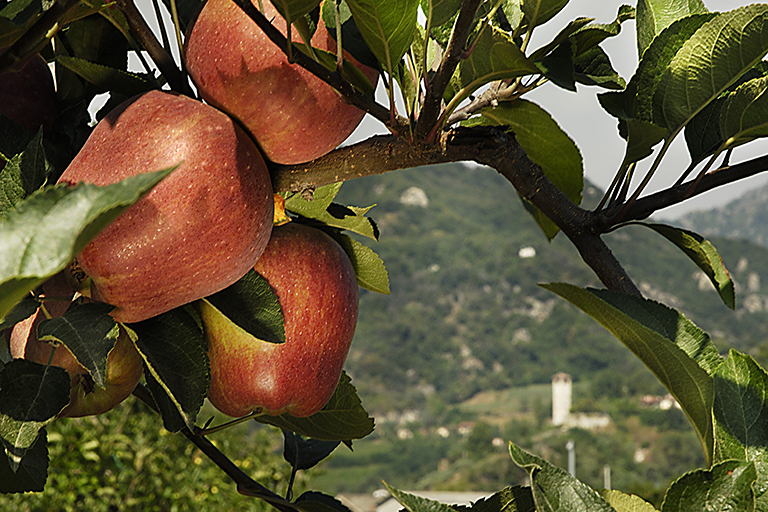
Crunchy and juicy, grown between the plains and hills of the Granda. The temperature range gives intense color and balanced, sweet and aromatic taste.
Apples of the Bronda Valley
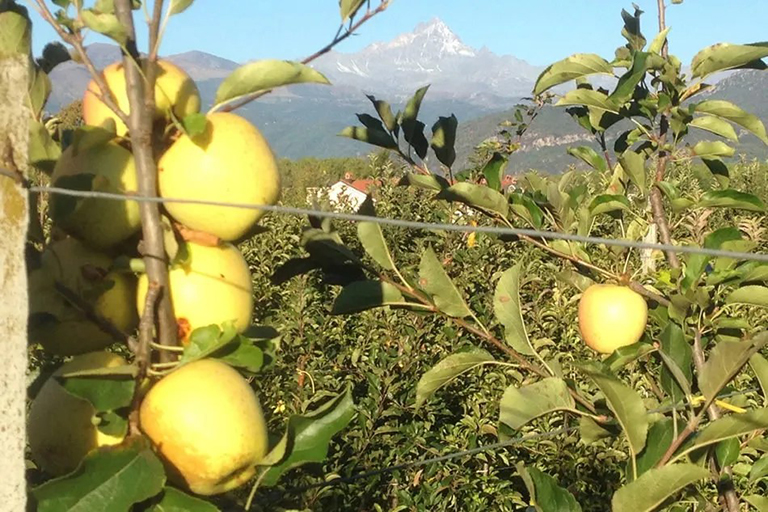
Produced in an ideal microclimate, they are fragrant and fragrant. Tradition and quality meet in orchards that draw the hilly landscape.
Ramassin of the Bronda Valley
Small purple plum, sweet and aromatic, Slow Food Presidium. Excellent fresh or made into jams and the typical local liqueur.
Castelmagno DOP
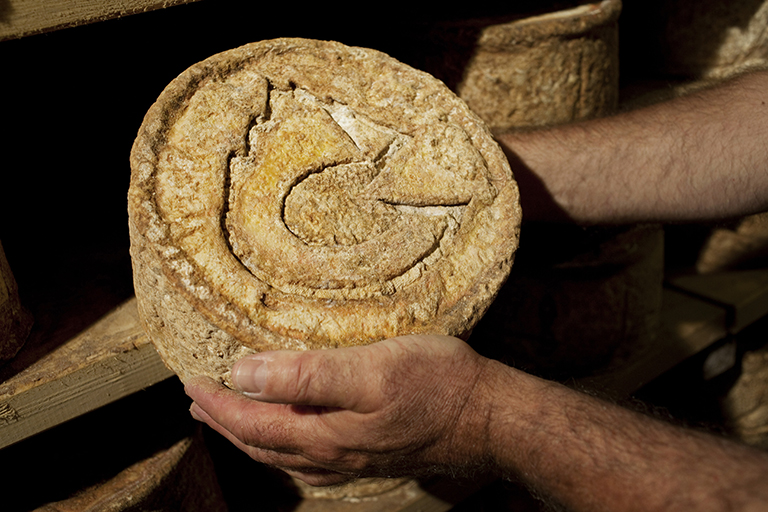
Blue or semi-hard mountain cheese, with an intense and slightly spicy flavor. Made in the Cuneo valleys, it is perfect with polenta and honey.
Polenta
Made with corn flour, it is the quintessential convivial dish. Served soft or toasted, it accompanies cheeses, meats and game.
Wines and drinks
Craft beers
Produced by independent microbreweries, they enhance selected raw materials and brassicultural creativity. From fresh, citrusy pale to textured amber to intense dark, they tell the story of territories, passions, and new taste trends. From 2010 to June Saluzzo hosts the national festival “C’è Fermento”.
Pelaverga DOC
A native DOC grape variety from the Saluzzo Hills, it produces a fragrant and spicy red, with notes of pepper and small red fruits. Fresh and harmonious, it is ideal with cured meats, white meats and traditional Piedmontese dishes.
Points of interest
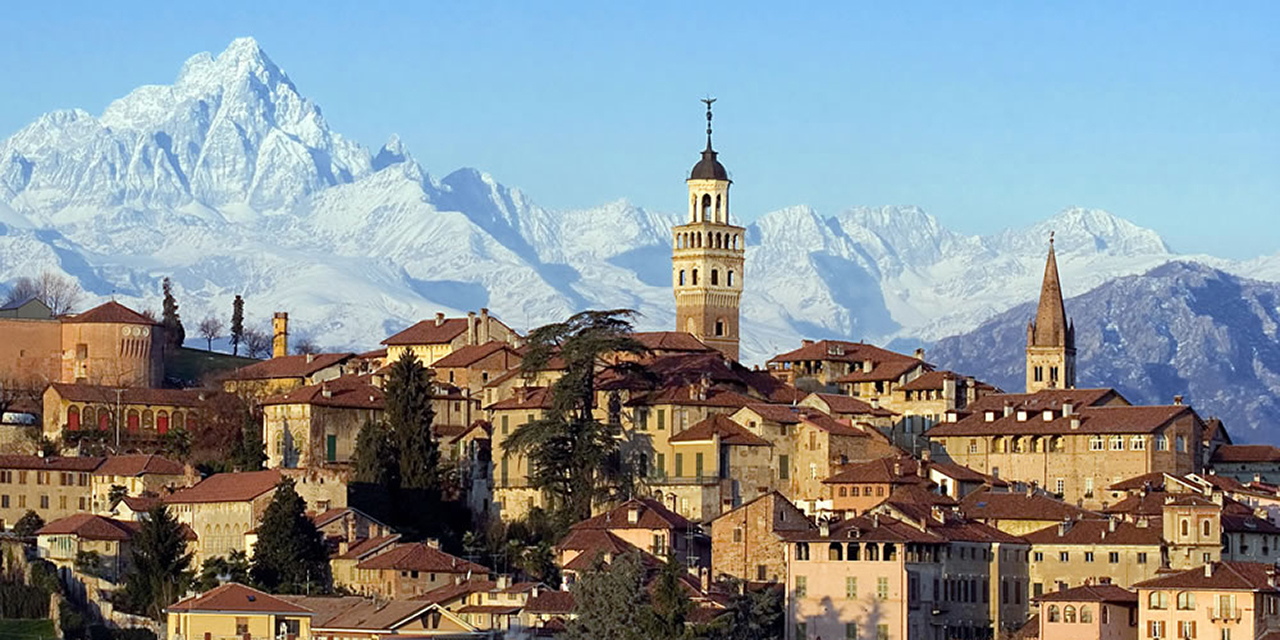
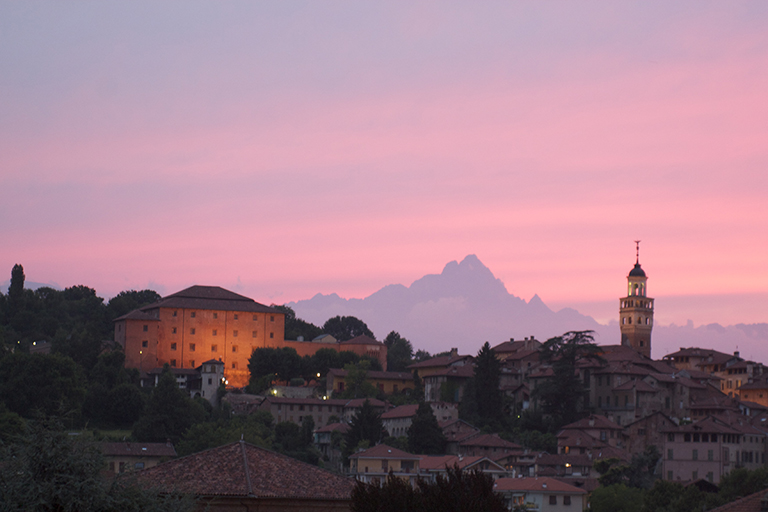
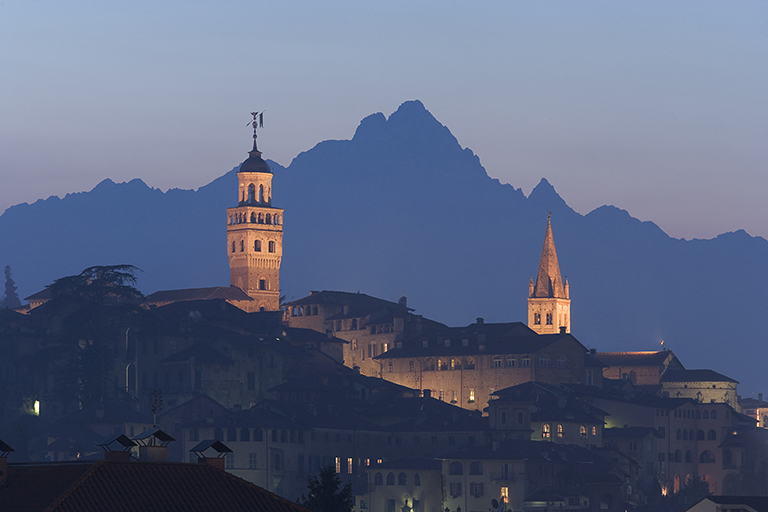
Civic Tower
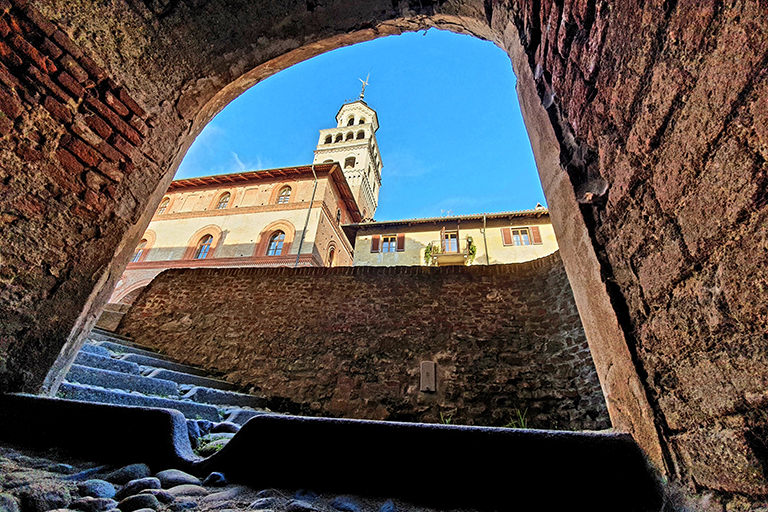
Built between 1440 and 1462 during the marquisate of Louis I, it is 48 metres high and a symbol of the city’s identity. In 1556 it was raised with the “bell castle”. Restored in 1993, it offers visitors an evocative panorama of the historic center, the plain and the Alps. The copper dome culminates with the Saluzzo coat of arms.
Castellar Castle
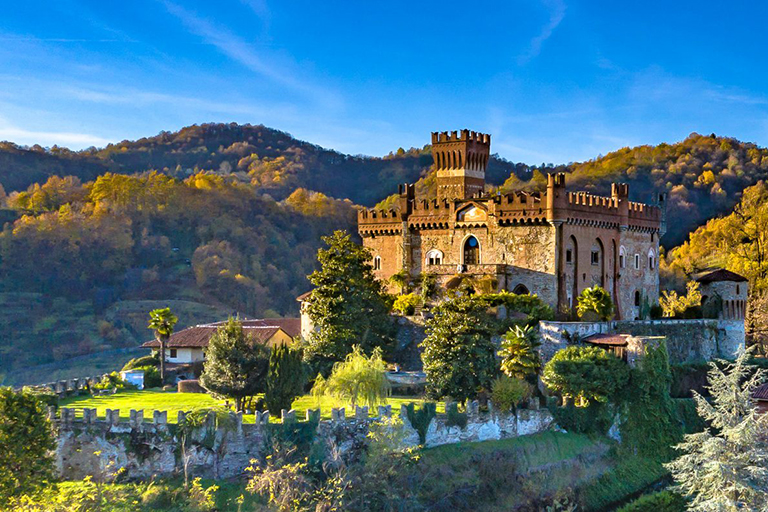
Perched on a rocky spur at the entrance to the Bronda Valley, Castellar Castle dominates the landscape with its scenic profile. Documented since 1357, it was the home of the Saluzzo-Castellar family for centuries. Remodeled in neo-medieval style between the 19th and 20th centuries, it preserves frescoed halls and historic furnishings.
Mercà d’le Fumne
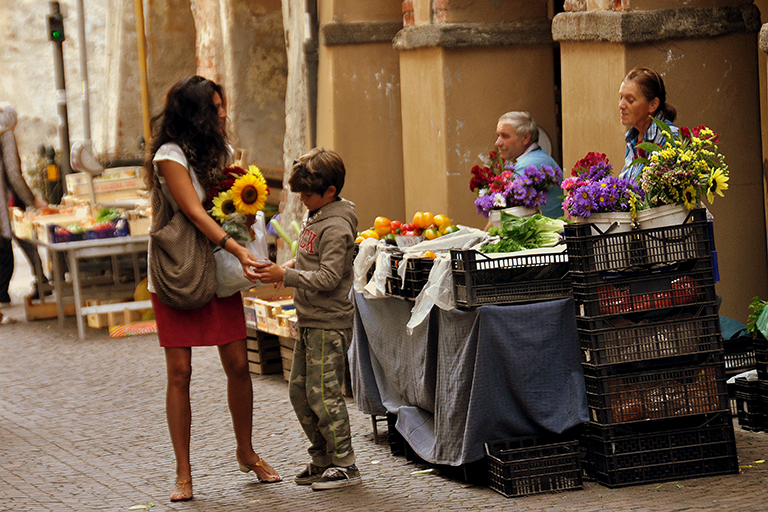
Historic Saturday farmers’ market on Via Volta, beyond Porta Santa Maria. Born as a meeting point between peasant women and citizens, it maintains an authentic charm among wicker boxes and baskets filled with vegetables, flowers, and first fruits. Since 2002 it has been recognized as a market for local agricultural products.
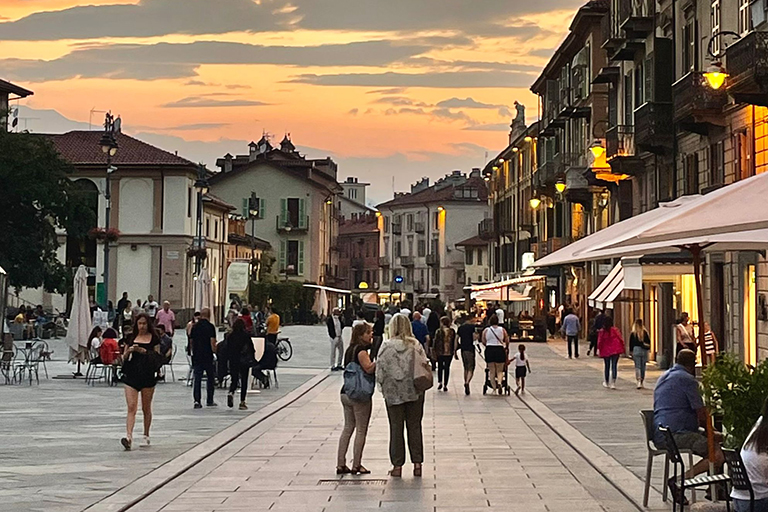
Corso Italia Elegant, entirely pedestrian central thoroughfare and the beating heart of the city, it connects squares, historic shops and cafes. Strolling through porticoed buildings and shops, you can breathe in the lively atmosphere of Saluzzo, especially on market days and events. It is the ideal place to discover traditions, shopping and urban glimpses.
Cathedral of Saluzzo
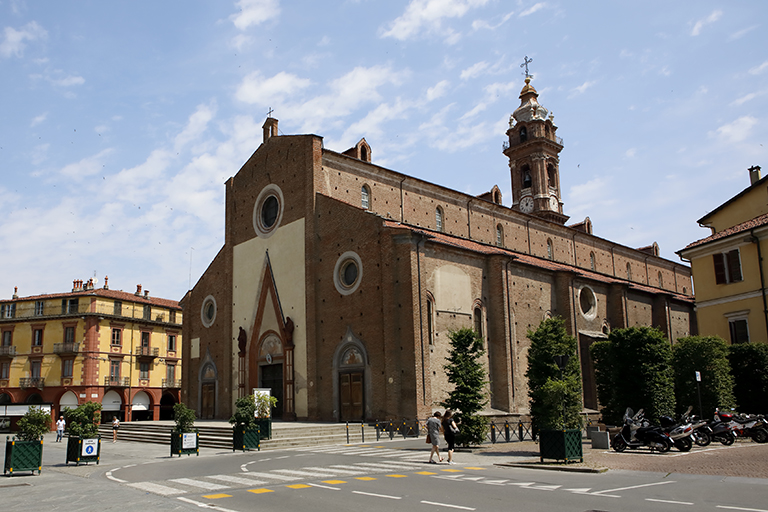
Begun in 1491 by order of Louis II, the Cathedral of Saluzzo, dedicated to Santa Maria Assunta, is one of the main examples of Piedmontese Gothic. The brick facade is enriched with terracotta decorations and the works of Hans Clemer. The interior, with three naves, houses important masterpieces between the large wooden crucifix and the imposing Baroque high altar. The bell tower, 64 meters high, dominates the city profile.
Church of San Giovanni
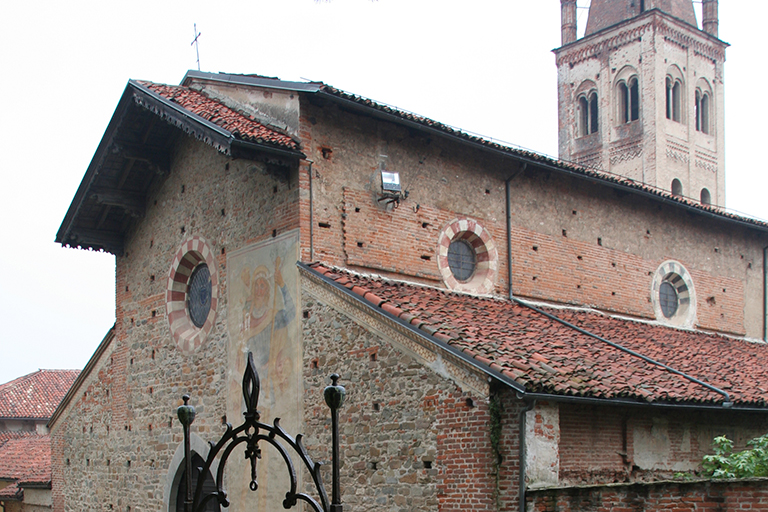
Founded in the fourteenth century and linked to the Dominicans, it was for a long time the main religious building in the city. It houses the funerary chapel of the Marquises of Saluzzo and precious 15th-century frescoes. The bell tower from 1376 stands out with an octagonal spire, while the Renaissance cloister preserves noble coats of arms.
Abbey of Santa Maria di Staffarda
Founded between 1122 and 1138, it is one of the most evocative Cistercian complexes and among the symbols of Piedmont. Romanesque-Gothic architecture reflects monastic sobriety. The Staffarda Rose and the medieval cloister are famous. In 1690 it suffered severe damage during the Battle of Staffarda. It is located not far from the Po, in the Municipality of Revello.
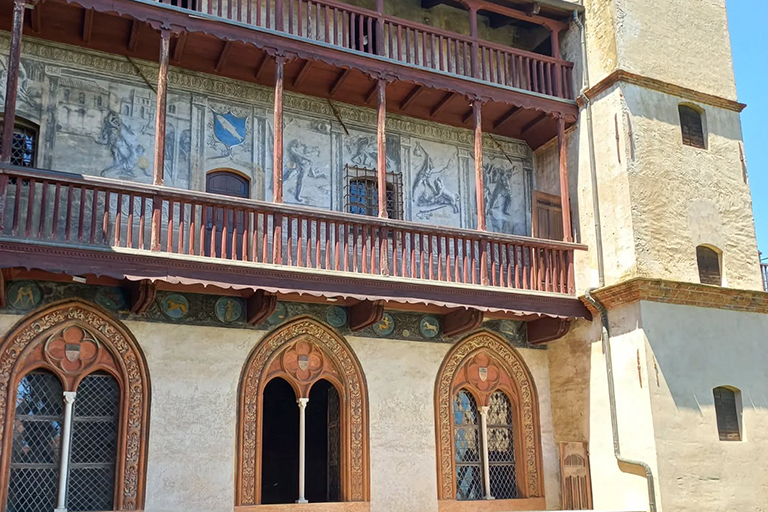
Manta Castle Ancient residence of the Counts Saluzzo della Manta, famous for the late Gothic frescoes in the Baronial Hall with Nine Braves and Nine Heroines and for the cycle of the Fountain of Youth. Transformed into a noble residence in the fifteenth century, it is now well Fai. There is a beautiful view from the park.
Villa Belvedere
Also known as Villa Radicati or Villa dell’Eco, it dates back to the fourteenth century as an outpost and later became a noble residence. Nestled in the hilly landscape between the historic center and the Manta Castle, it offers cultural spaces and evocative views. Donated to the Municipality in 1977 by the Radicati counts. 10 Fountain of the Drance A historic city fountain linked to local tradition, it represents one of Saluzzo’s symbols of identity. A point of reference in the urban fabric, it recalls the memory of the ancient organization of the waters and the daily life of the medieval village.