






learn more
technical info
profile
map
technical info
Route
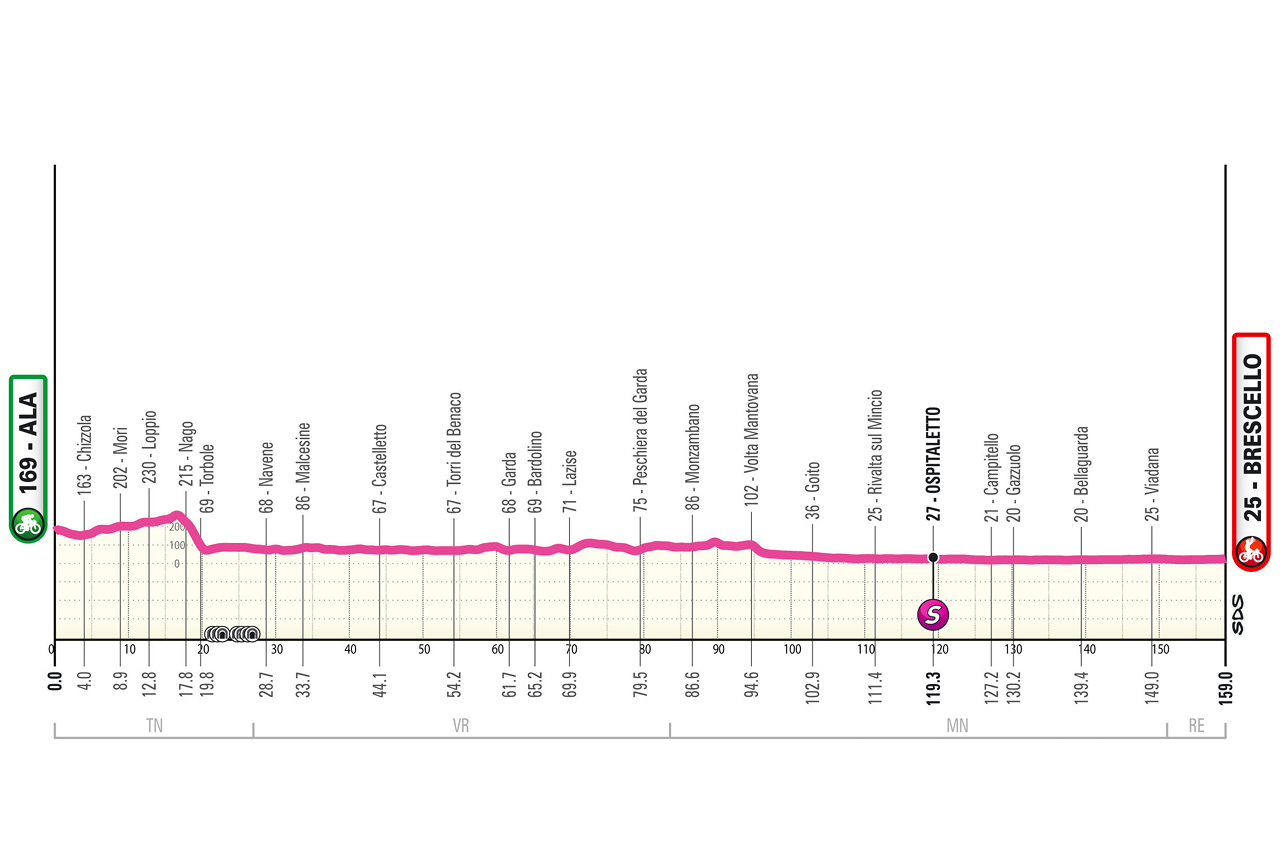
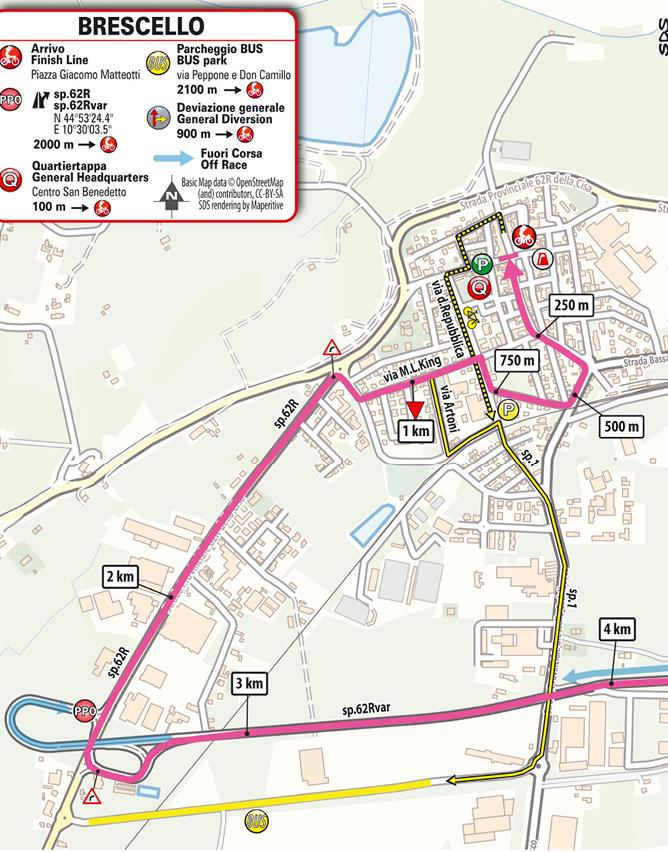
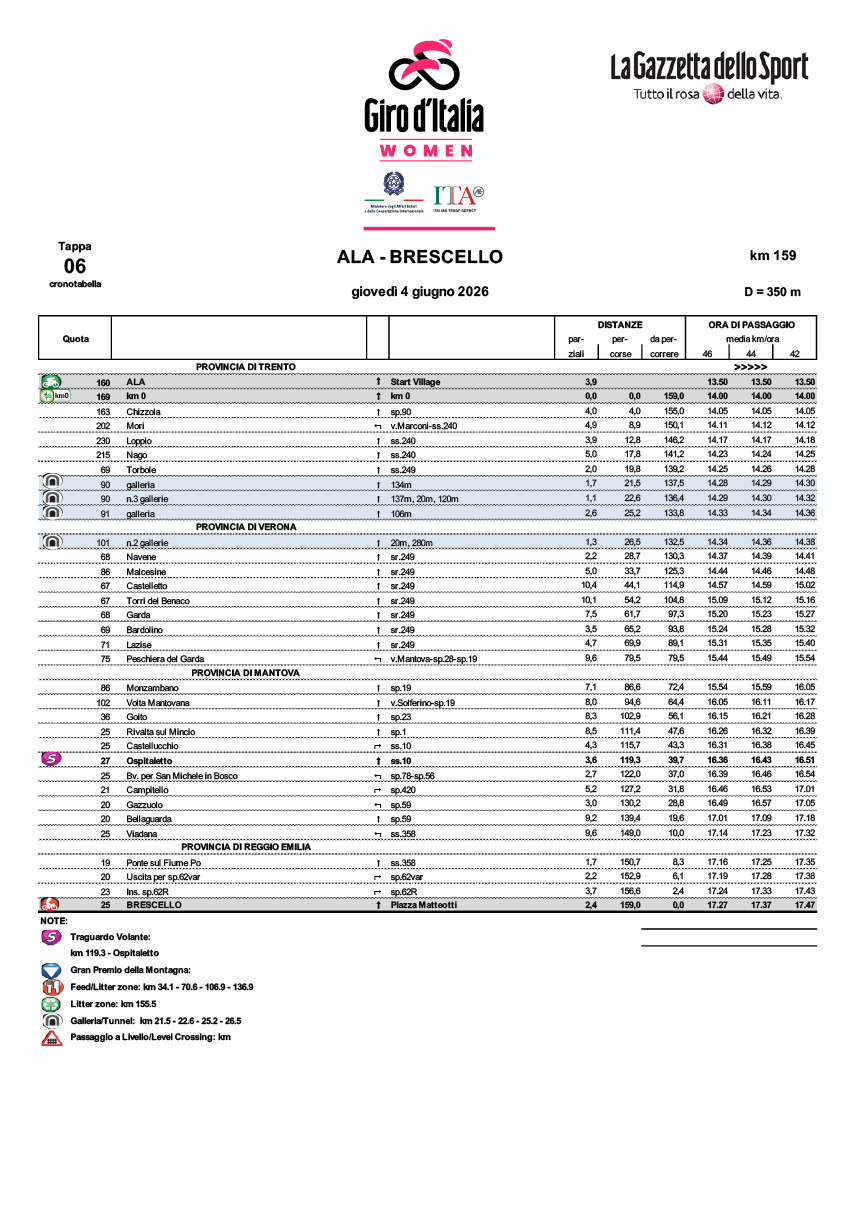
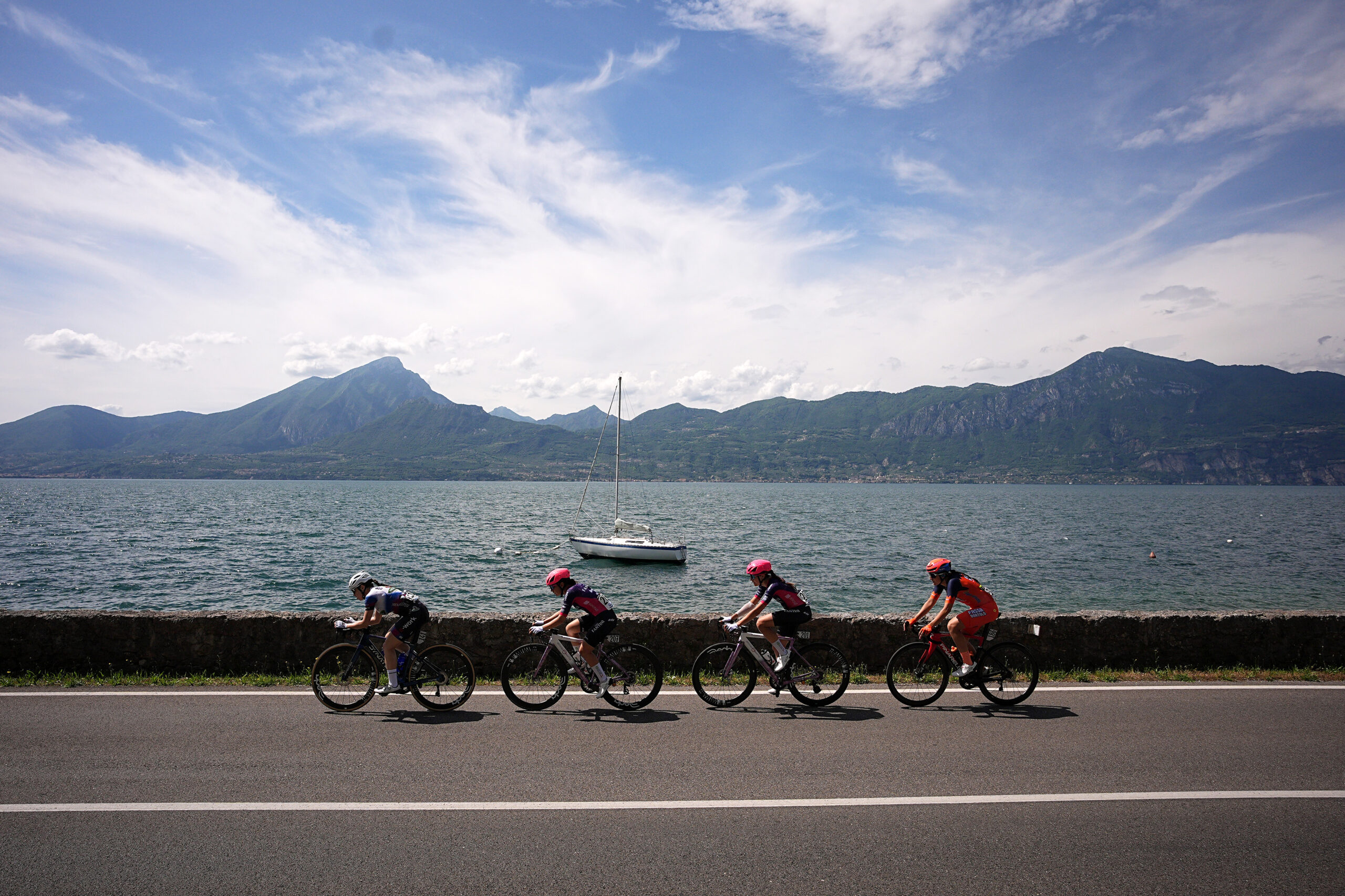
An almost entirely flat stage. The route leaves the Adige Valley and crosses the very gentle Passo di Loppio in the Upper Garda area. The race follows the eastern shore of Lake Garda as far as Peschiera del Garda. Roads are slightly technical in the first section, with several tunnels, before becoming progressively wider and straighter upon entering the Po Valley. Broad, mostly straight roads lead the riders to Brescello for the expected sprint finish.
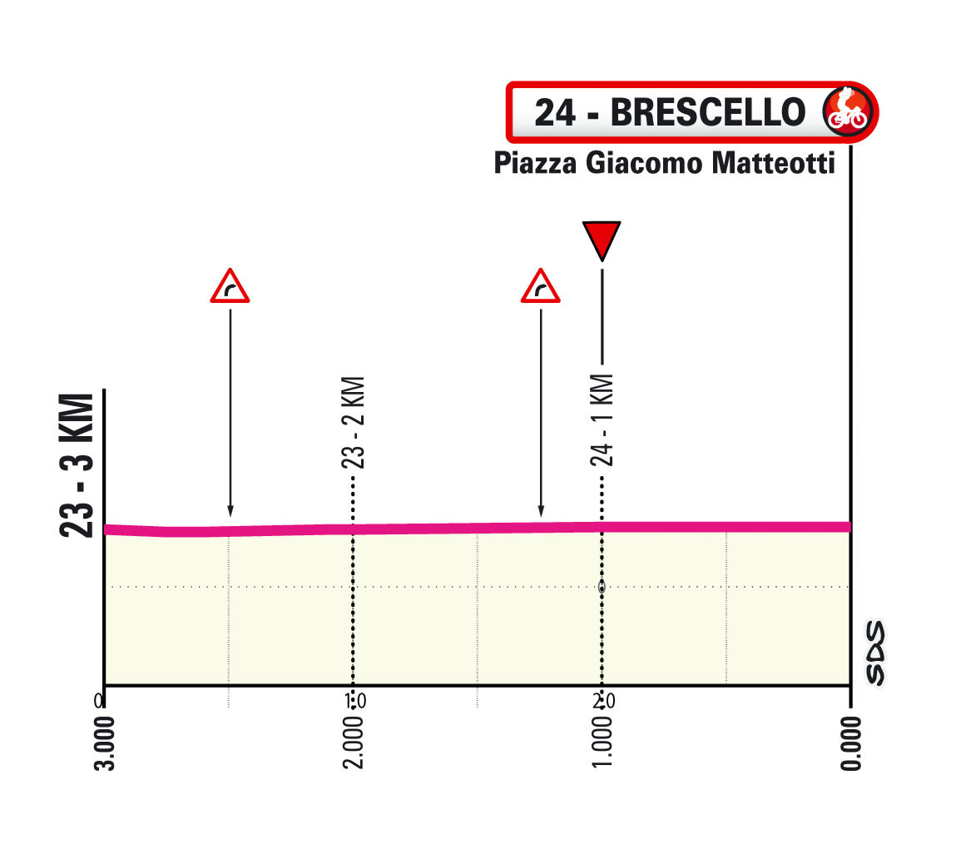
Final kilometers
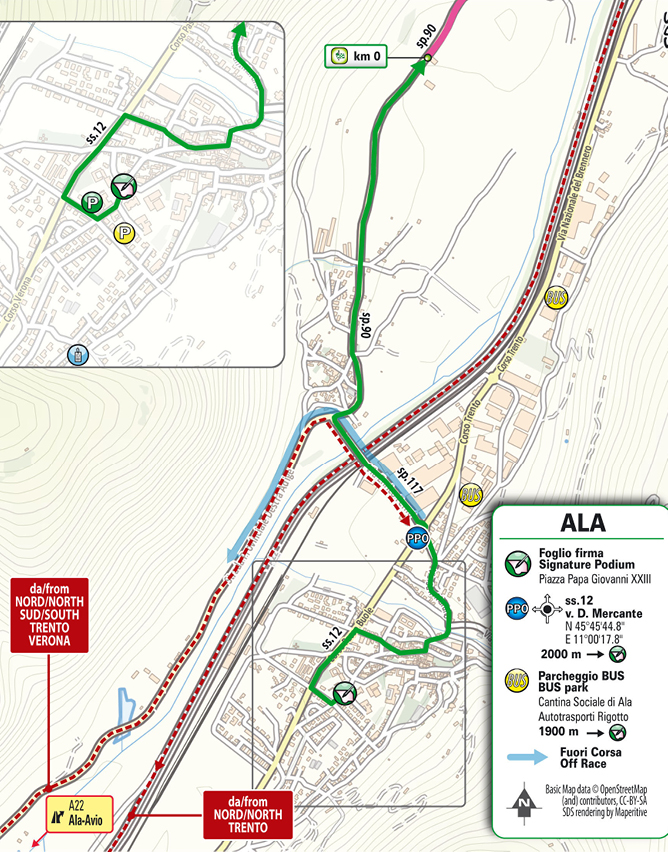
The final kilometres are completely flat, interrupted by several moderately demanding corners, especially within the built-up area. Final straight: 600 m on 8 m-wide asphalt.
start / finish
final kilometres
itinerary timetable
tourist info
Host city:
Ala
Overview
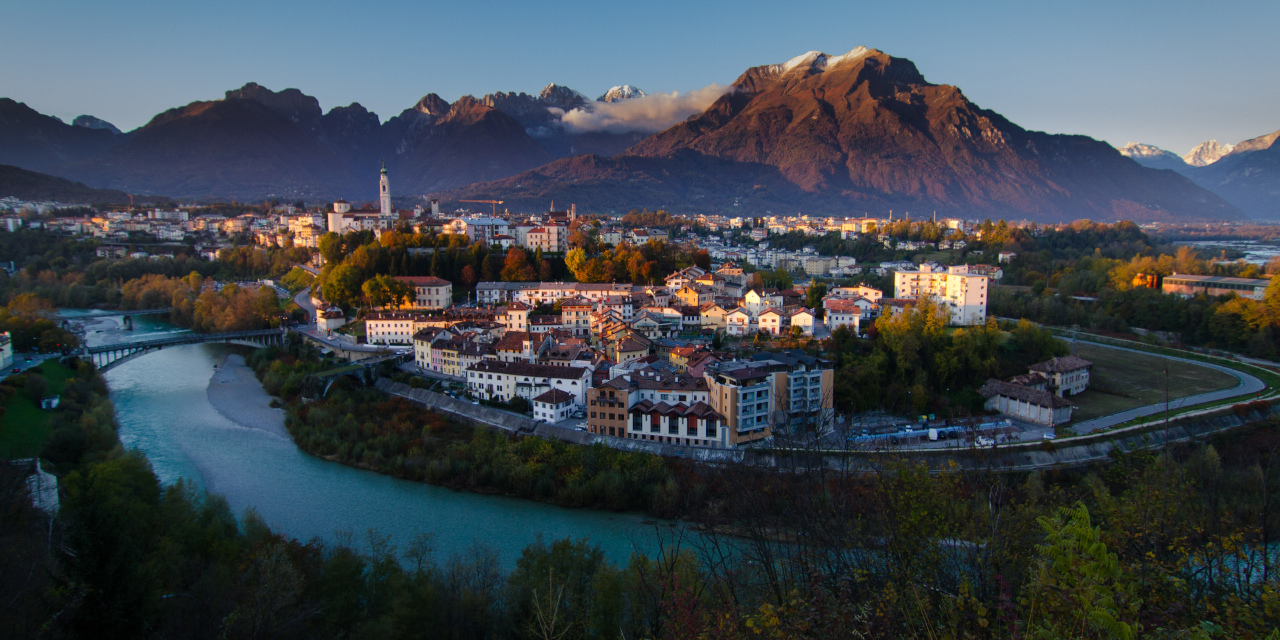
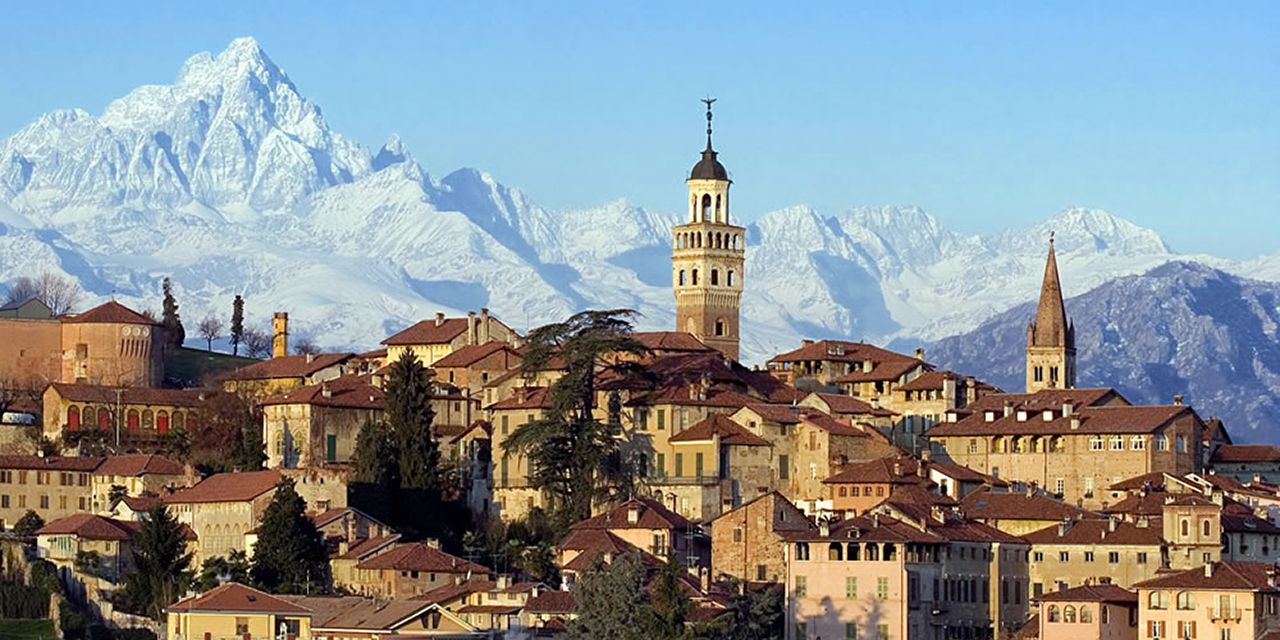
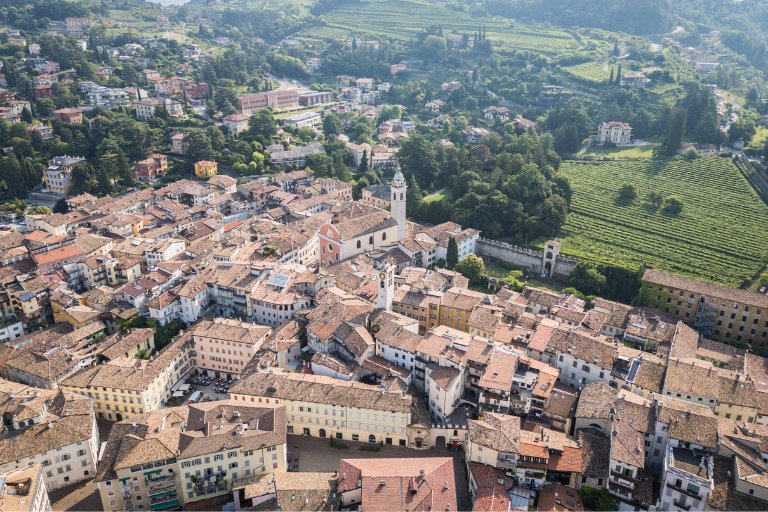
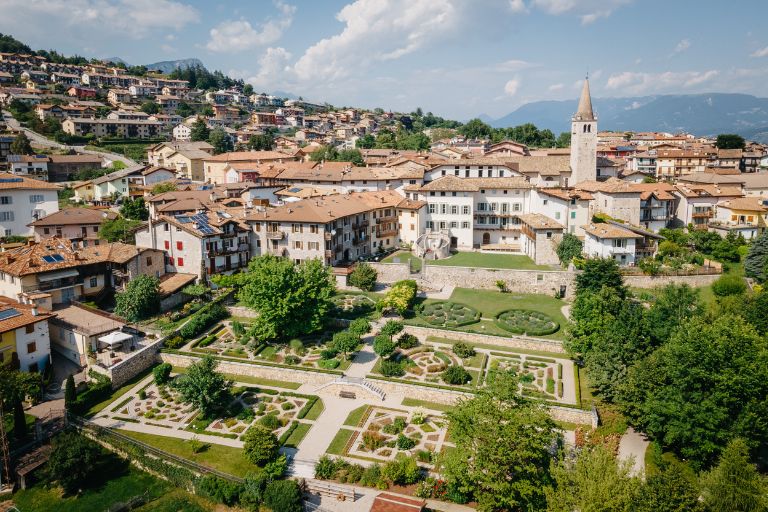
Located in Trentino-Alto Adige, in the heart of the Adige Valley, the municipality of Ala is a charming historic town known as the “City of Velvet.” This nickname recalls a period of great prosperity between the 17th and 18th centuries, when Ala was one of Europe’s main centers for the production of silk velvet, highly prized by noble courts.
Today, Ala is a lively cultural hub, animated by events, exhibitions, and festivals, including historical reenactments dedicated to the silk tradition. The surrounding area also offers numerous opportunities for excursions and outdoor activities, among vineyards, mountains, and cycling paths along the Adige River.
Food
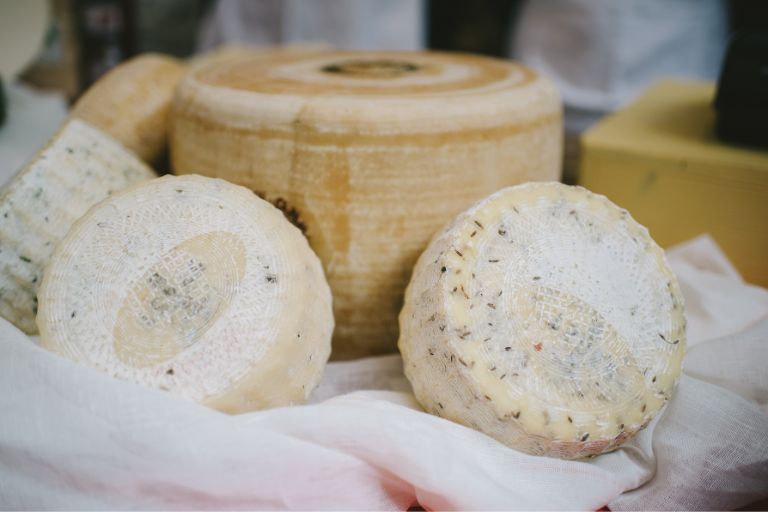
· Alpine cheeses: Monte Veronese, Primo Fiore and Affogato all’Enantio
In Vallagarina, the art of cheese-making has a long tradition, still present in its various areas, including Lessinia and Monte Baldo. Here, in the welcoming “malghe” (shepherd’s huts), you can still witness the processing of milk and experience firsthand the excitement of milking and taste the products. In Lessinia, where the Trentino and Veneto traditions meet, Monte Veronese DOP is produced, a semi-cooked cheese made from whole or partially skimmed cow’s milk, available in “whole milk” and “d’allevo” varieties. Monte Baldo cheeses are characterized by a yellow-hued paste, due to the carotenes of the grasses and more generally of the local microbial flora of the pastures, offering unique aromas and flavors: Primo Fiore is considered the local cheese par excellence, Affogato all’Enantio takes its name from the native wine with which the cheese is aromatized.
· Canederli with Buckwheat
The large “gnocchi” of Alpine cuisine, typical of Trentino, are prepared in the local version with buckwheat, milk and eggs, enriched with speck or cured meats, or in a vegetarian version with spinach, parsley and flour (known locally as Strangolapreti). Served in broth or with dark melted butter, they are a mainstay of the regional culinary tradition.
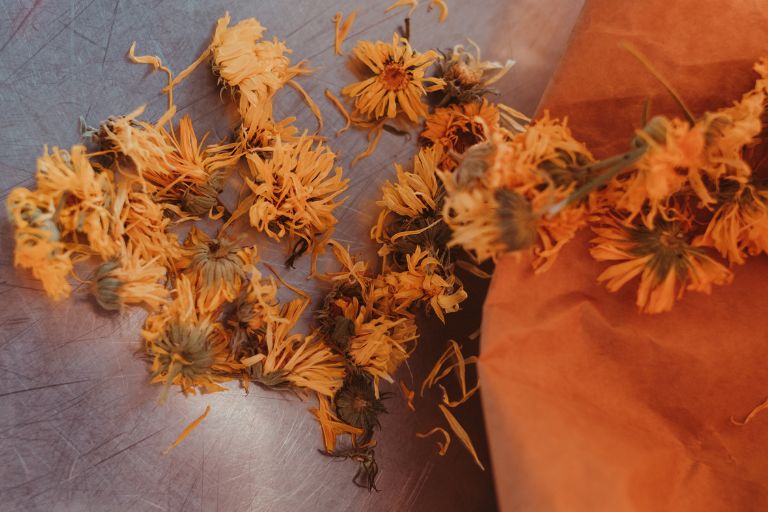
· Herbs and officinal flowers of Mount Baldo
The harvesting of wild herbs, an ancient Trentino tradition still widely practiced on Mount Baldo, makes it possible to create valuable products that carry the flavors, essences and scents of the mountains, as well as the excellent Baldo honey that excels in fragrance and intense coloration. The variety of plants is an indication of the healthiness of the area, the result of a perfect balance between soil, air and water. Local specialties, the result of the patient and respectful work of the gatherers, embody values such as respect for nature and tenacity in overcoming difficulties.
· Baldo saffron
Various medicinal and food plants grow in the forests and meadows: of particular value is Baldo saffron, made from Crocus Sativus, famous for its intense aroma, strong flavor and characteristic yellow color. The flowers, hand-picked in October and November, are processed by manually separating the three stigmas, which are then dried and packaged.
· Fanzelto from the Leno Valleys
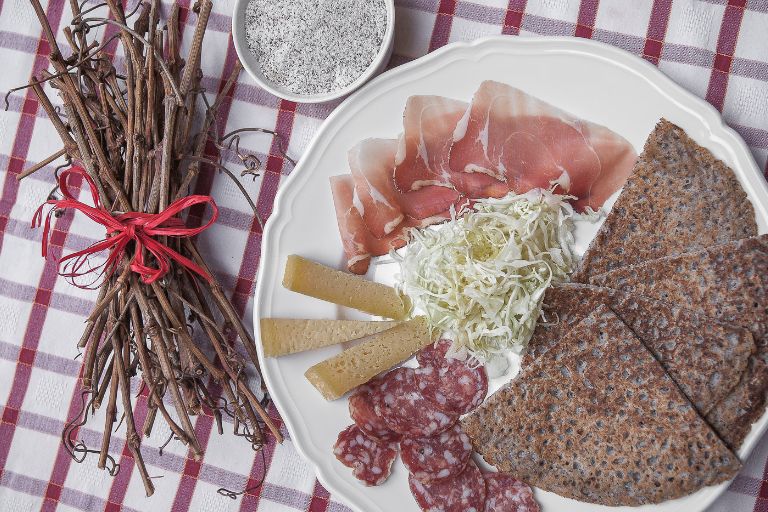
Fanzelto is a traditional recipe from Terragnolo, a village in the Leno Valleys, an area facing Vallagarina opposite Mount Baldo. It is a thin omelet-like bread made with buckwheat, water and salt. Its origin dates back to the need to cope with the scarcity of wheat and white flour and brings back memories of the poor cuisine of the place.
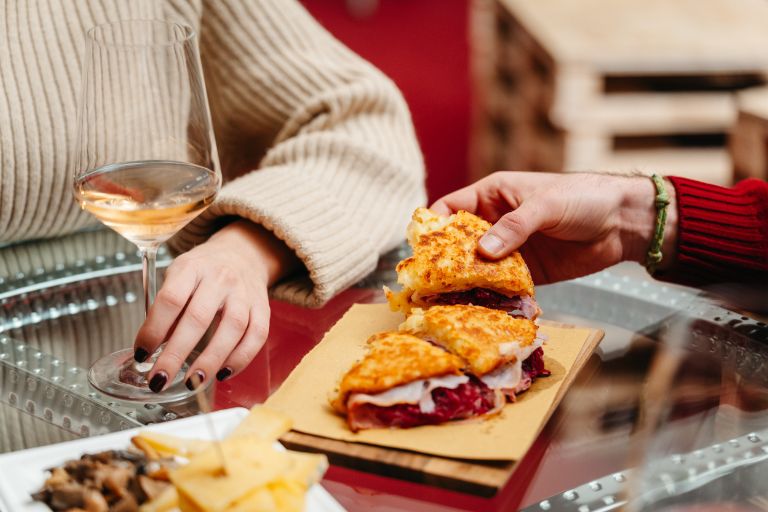
· Potato Tortel
Potato tortel is a Trentino specialty made from grated raw potatoes, salted and sometimes enriched with flour for added texture. The dough is fried in oil, resulting in a golden crispness that makes it an iconic dish in the local tradition and is served as a base for cheese and cold cuts.
Wines and drinks
· Marzemino – The red wine mentioned in Mozart’s “Don Giovanni”
Marzemino has come into contact with different peoples, cultures and traditions, Asian and European, even taking on different names from time to time. It has graced the tables of our continent, but it was in Vallagarina, particularly in the area of Isera and the Ziresi, that it eventually found its ideal habitat, becoming one of the symbolic wines of Trentino. Ruby red in color, it has aromas and fragrances of berries with floral overtones and slightly spicy notes.
· Enantio – Indigenous wine from Vallagarina.
Enantio, also known as jagged-leaf Lambrusco, found a home several centuries ago in the areas of Ala and Avio. Once an uncontested vine of the valley floor of lower Vallagarina, it is now enhanced thanks to the tireless work of vintners and farmers who oversee its production in the areas most suited for its typicality. A ruby red wine, dry, fresh and full-bodied, with slightly spicy and vegetal olfactory notes. This wine, a Slow Food Presidium, is also used in the production of “Affogato all’Enantio” cheese.
· Casetta – A spicy wine dedicated to true connoisseurs
Today this native variety is cultivated on small areas all along the Vallagarina. Also known in the area as “Maranela,” from the nickname of a Marani family that had it cultivated, the vine was generated by domestication of the wild vine, vitis vinifera silvestris. The wine, which falls under the Terra dei Forti DOC, is deep ruby red in color and harmonizes with appropriate aging as the greener, fruitier notes give way to spicy, complex aromas.
· Nosiola – The white that smells of the Mediterranean
Nosiola is a native variety inextricably linked to the Trentino region, which also boasts ancient ties and joyful productions with Vallagarina. In its delicate aromas with nuances of white flowers, unripe fruit and hazelnuts there is the Mediterranean climate from which Lake Garda and some areas of Vallagarina benefit. The taste is fresh, with good minerality and a finish characterized by a slightly bitter note.
· Moscato – From the canteens of princes to our table
A grape variety particularly common in the lands surrounding the imposing Castel Beseno. Cultivated as far back as Greek and Roman times and in the Middle Ages, it was often served in the canteens of the nobility. Bright yellow in color, sometimes golden, it has a balanced structure and harmony, with an aromatic bouquet, notes of nutmeg, citrus and apricot. Yellow Muscat is processed in dry or sweet versions. The growing interest in this unique grape variety is also evident from the recent recognition, as part of the Trentino Superiore D.O.C., of the “Castel Beseno” subzone between the municipalities of Calliano and Besenello.
· Bordolesi – Refined bouquets from the French tradition.
In the second half of the 19th century Cabernet and Merlot peeped into Trentino, finding Vallagarina a particularly suitable territory. Wines with intense colors and refined bouquets, structured and elegant, with long, persuasive finishes. Vallagarina can boast the first Bordeaux blend produced in Italy and, even today, the most important guides and the most influential sommeliers award these wines as among the best on the international scene.
· Trento Doc – Quality grapes, experience and perseverance for a signature metodo classico
Trento Doc is territory, a direct expression of the land that produces it. Of it it encapsulates the climate, the altitudes and the essence. Indeed, each glass carries with it uniqueness, refinement and character of the place of origin. The history of sparkling wine making in Trentino is now long and established, having long since passed the century mark. In fact, as early as 1899 the first Trentino sparkling wine maker operated in Calliano, a pioneer who prompted legions of winemakers and cellarers to try their hand at ‘mossi wines.’ Today, there are many small companies that have decided to devote themselves to the production of classic method sparkling wines in different variants.
· Grappe – Excellence from one of the most vocated lands in the world
Trentino is one of the regions of Italy that excels in the quality of its production. In Vallagarina there is a centuries-old tradition regarding this ancient art, which is nourished by technical knowledge, stories and anecdotes. Discover single-varietal grappas made from the pomace of Vallagarina’s native varieties, such as Marzemino with its harmonious and fragrant structure.
· “Amari”, herb liqueurs
The liqueurs, made from Trentino herbs and roots, expertly blended into a pleasant and appealing product. They make it possible to indulge in one or more sips of well-being after a rich meal.
Points of interest
· Baroque Palaces of Ala
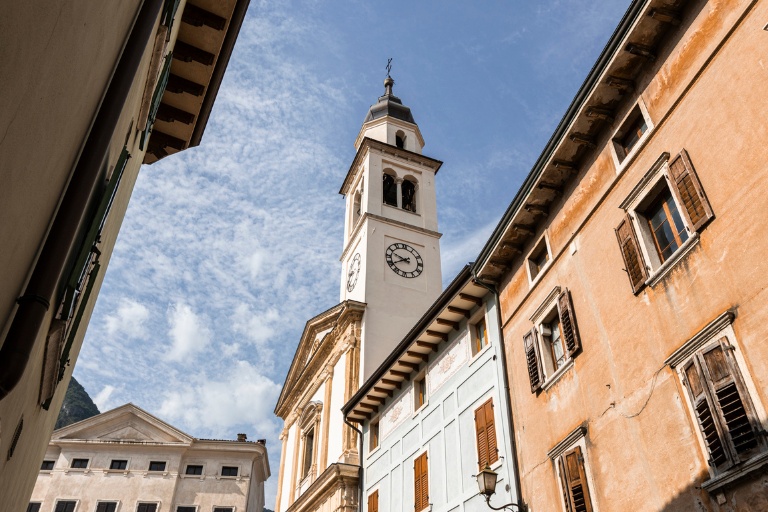
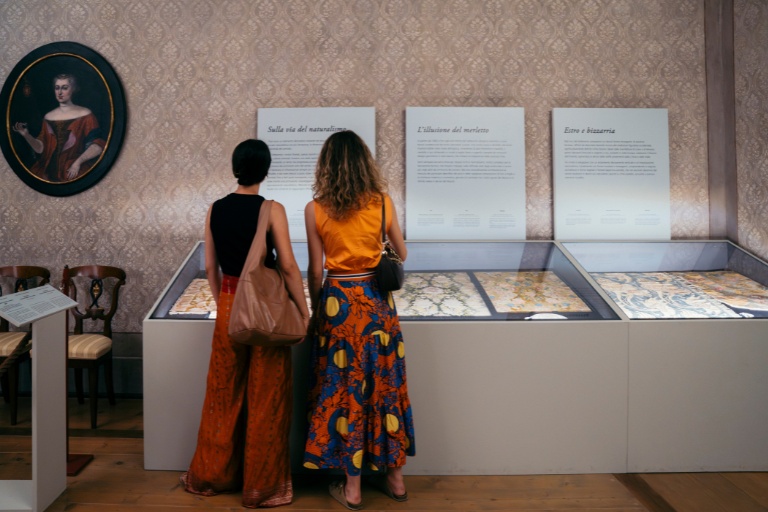
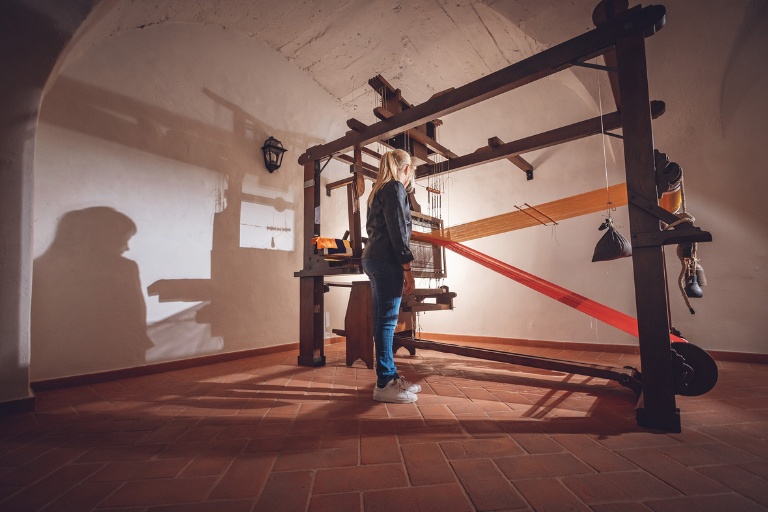
The welcoming village of Ala, renamed “City of Velvet” in the 18th Century, has been awarded the Italian Touring Club’s Orange Flag since 2007. The historic centre still echoes with a Baroque atmosphere, thanks to the charm of buildings such as Palazzo De’ Pizzini von Hochenbrunn, which now houses the Museum of Ancient Pianos and the International Academy of Musical Interpretation on Period Instruments in its oldest structure. In the heart of the historic centre stands Palazzo Taddei, future location of the Provincial Textile Museum, whose oldest part dates back to the Venetian 15th Century. The complex bears witness to the vitality of the foreign class of the past, as well as the velvet manufacturing industry (noteworthy is the historic smooth velvet loom housed there, restored in 2022). In summer, the village of Ala comes to life during the “Ala Città di Velluto” event, a tribute to the silk tradition that made the village famous in the 18th Century, while during the Christmas holidays the historic centre hosts “Natale nei Palazzi barocchi”, a truly exclusive and elegant event.
· Lessinia Trentina
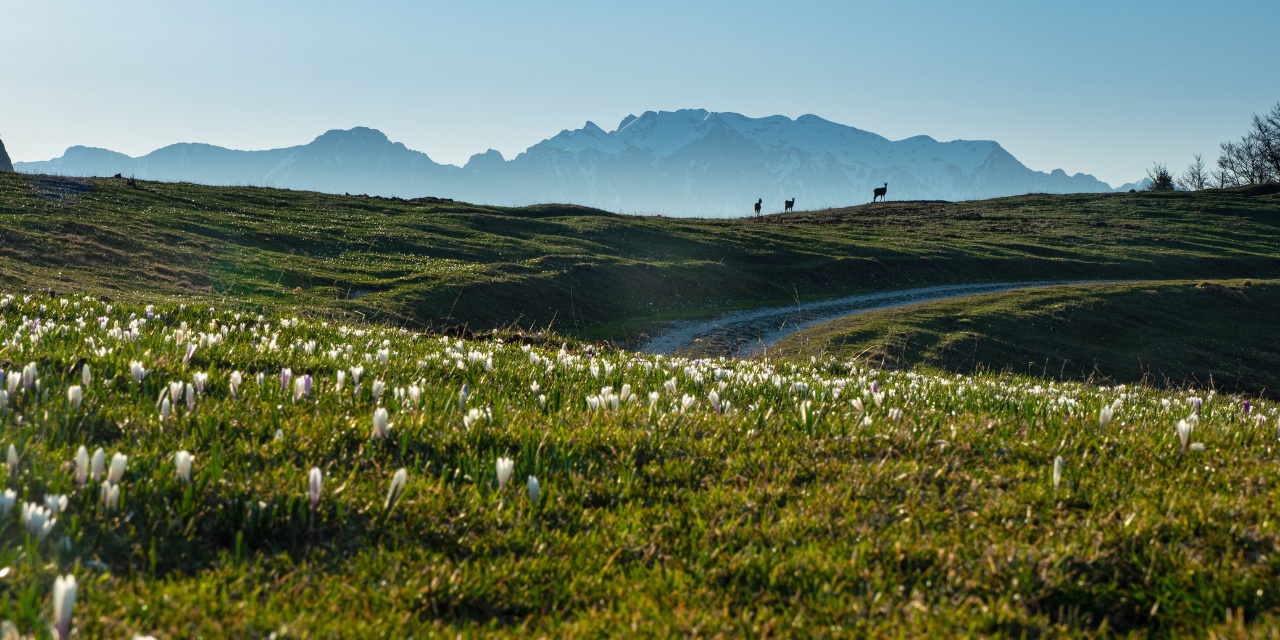
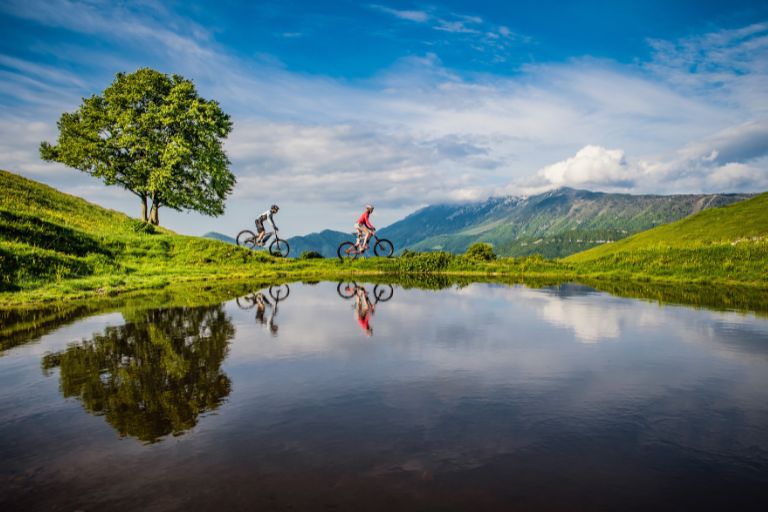
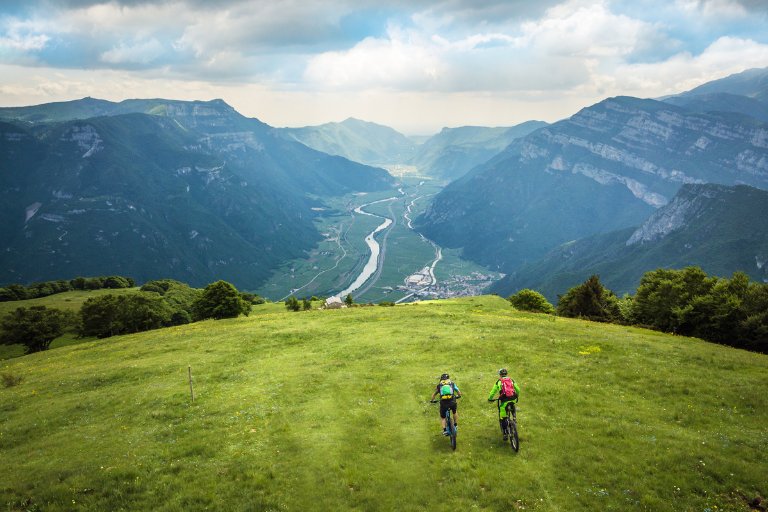
The Lessinia plateau, still unknown to mass tourism, overlooks the Adige Valley with a panorama that stretches as far as the Dolomites. The ancient, quiet landscape, suspended between earth and sky, is dotted with mountain huts with characteristics stone roofs, still used today for alpine grazing, and numerous roads and trails perfect for trekking, mountain biking and winter snowshoeing, as well as routes for gravel and road bikes.
· Mart of Rovereto
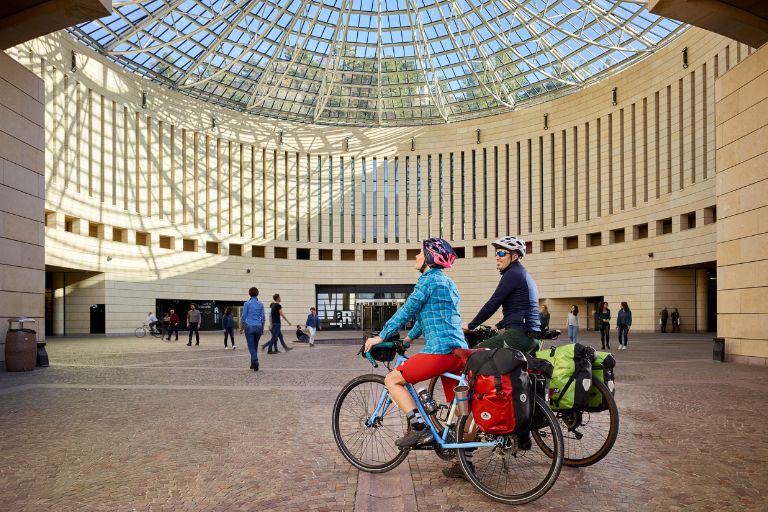
More than a place, the Rovereto MART is an idea. The idea of an innovative and dynamic cultural center that with its wonderful architecture becomes itself a work of art. Realized in 2002 by archistar Mario Botta, the Mart is the first contemporary Italian architecture designed to be a museum. The real heart of the project is the circular square with its iconic steel and glass dome, which has become the very symbol of Rovereto. Conceived as a place of relationships and knowledge, the square is enlivened, in addition to the museum, by a major Auditorium, the Civic Library and the welcoming MON bistrot, a place where gastronomy, design and art come together.
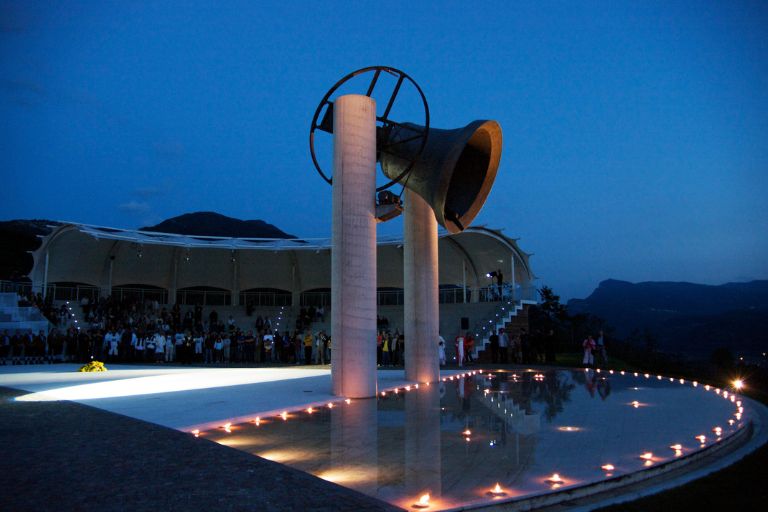
· Bell of Peace of Rovereto and places of the Great War in Vallagarina
226 quintals in weight, 3 meters in height, 3 meters in diameter: this is the great idea of Don Antonio Rossaro. Maria Dolens, the bell of Peace, every evening with its hundred chimes sends a universal message of peace. October 4, 2025 marked 100 years since the first tolling. The Bell is crossed by the Peace Trail: about 600 kilometers of historical-hiking route, 145 of which in Vallagarina, connect forts, trenches, and remnants of military artifacts. Vallagarina offers an extensive network of trails that, through short walks or more challenging hikes, allow you to discover these places steeped in history.
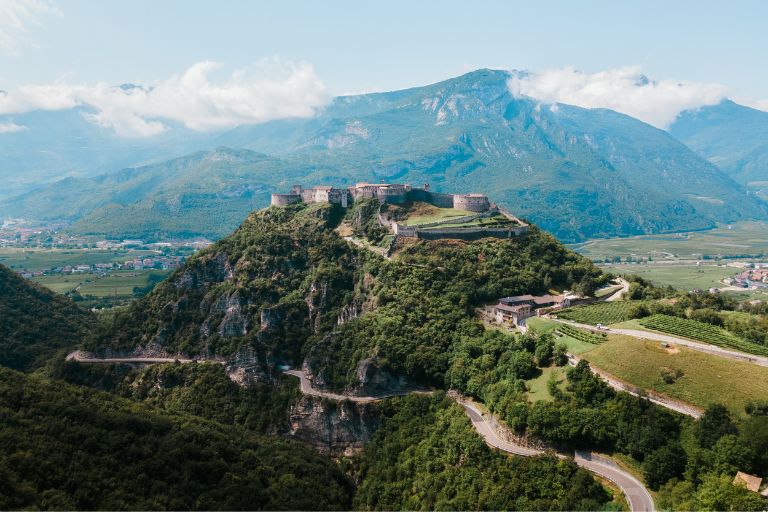
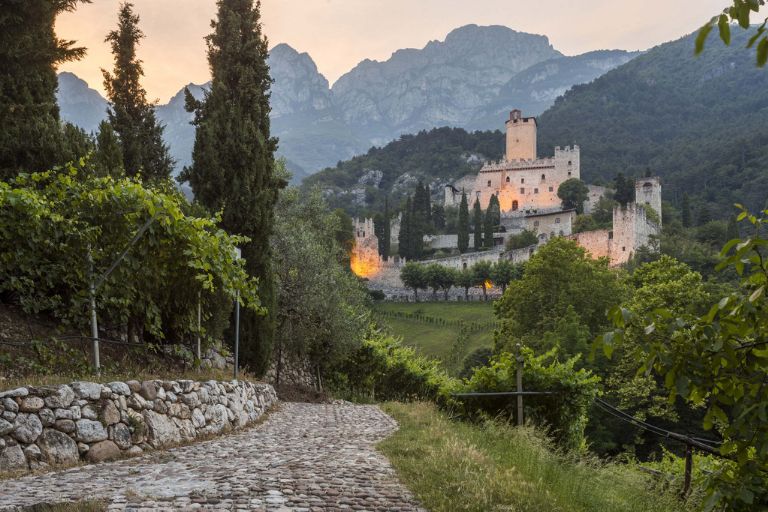
· Avio Castle and the Middle Ages in Vallagarina (Beseno Castle, Rovereto Castle and other medieval castles and villages)
The castle dominates the valley almost as far as Verona. One of the oldest in Trentino, it belonged to the Castelbarco family and has been owned by the FAI since 1977. The grandeur of the complex is contrasted by the gracefulness of the frescoes, both features that make a visit almost obligatory.
The journey among the castles of Vallagarina is a fascinating itinerary among ramparts and walls, a unique opportunity to learn more about the history of this valley, an ancient borderline and always a land of passage between Italy and Mitteleuropa.
· Monte Baldo Local Nature Park: flora and fauna of the so-called “Garden of Europe”
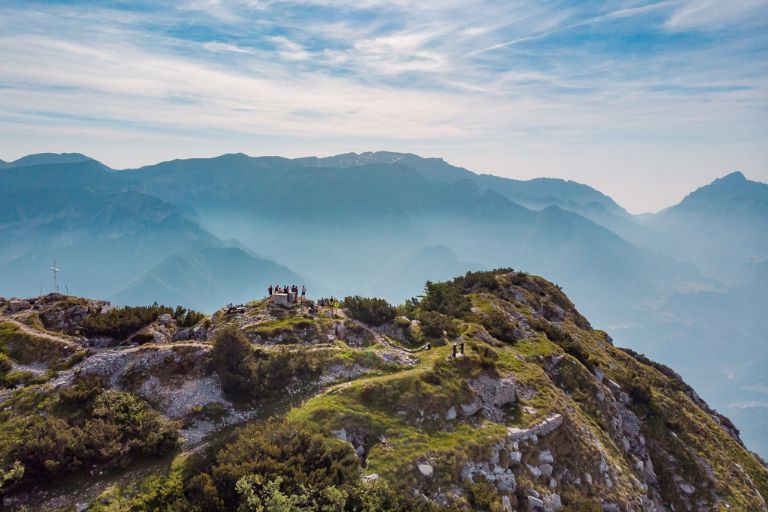
The Monte Baldo Local Nature Park, with one side overlooking Lake Garda, faces the Adige Valley with the other. It is characterized by extraordinary biodiversity. This is why it has been a popular destination for scholars, naturalists, apothecaries and pharmacists for centuries. As early as 1,500 it was known throughout Europe as the “Hortus Europae” Garden of Europe, a place for collecting medicinal species, studying their possible applications in modern pharmacopoeia, and conducting research in botany, geology and other natural sciences. Established in 2013, the Park encompasses the territories belonging to 5 municipalities in Trentino: Brentonico, Mori, Avio, Ala, and Nago-Torbole, and a range of protected areas located at altitudes varying from a few hundred meters above sea level to altitudes above 2,000 m.
Brescello
Overview
The municipality of Brescello is located in the province of Reggio Emilia, in the Emilia-Romagna region, along the banks of the Po River. It is widely known throughout Italy as the symbolic town of the famous characters Don Camillo and Peppone, created by Giovannino Guareschi. Brescello represents an important cultural and historical center of the Po Valley.
Today, Brescello is a small municipality with a strong cultural and tourist identity. Its historic center preserves architecturally significant buildings, characteristic squares, and places connected to the cinematic legacy of the Don Camillo films.
Videos Stage 06

Giro d'Italia Women 2026 | Stage 6 | Highlights 🇬🇧
4 Jun 2026
Giro d'Italia Women 2026 | Stage 6 | Last KM 🇬🇧
4 Jun 2026
Giro d'Italia Women 2026 | Stage 6 | Giro Express
4 Jun 2026Photos Stage 06
Giro d’Italia Women 2026 | Stage 6 | Best of
04/06/2026
Giro d’Italia Women 2025 | Stage 6 | Best of
11/07/2025