






learn more
technical info
profile
map
technical info
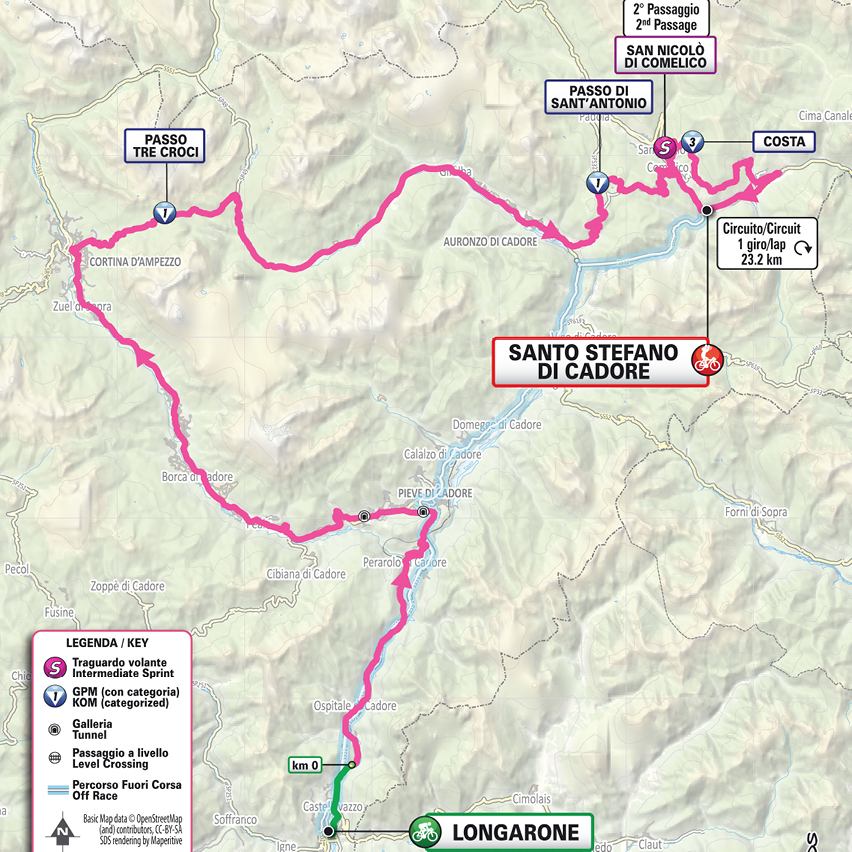
Route
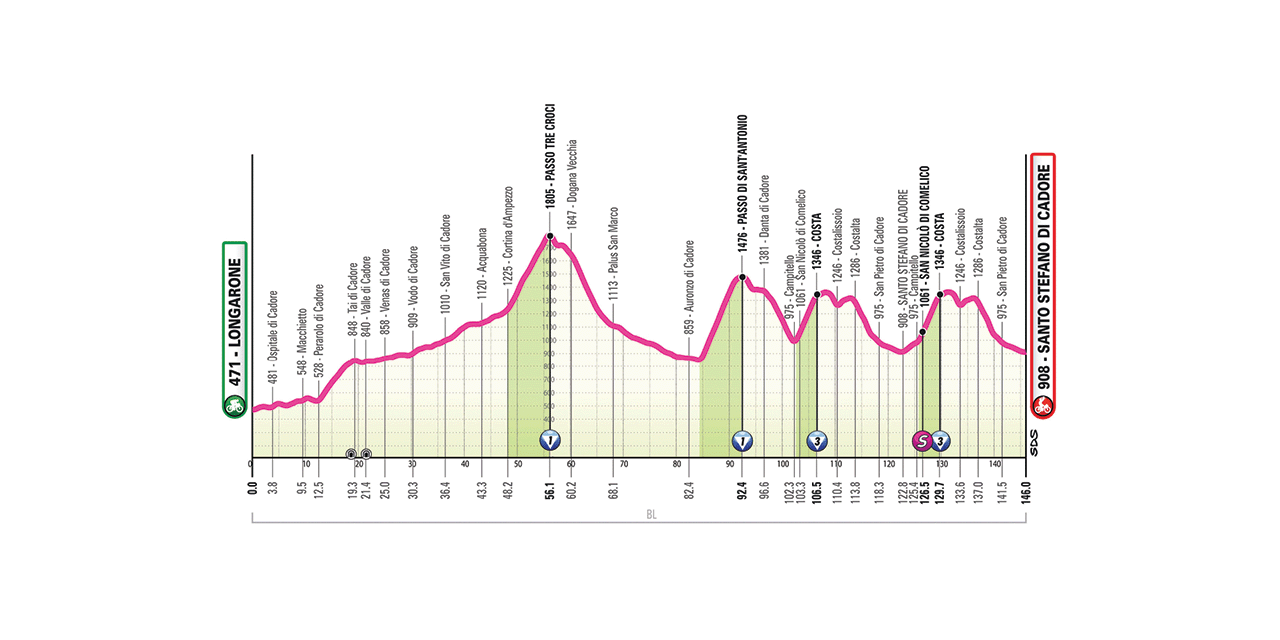
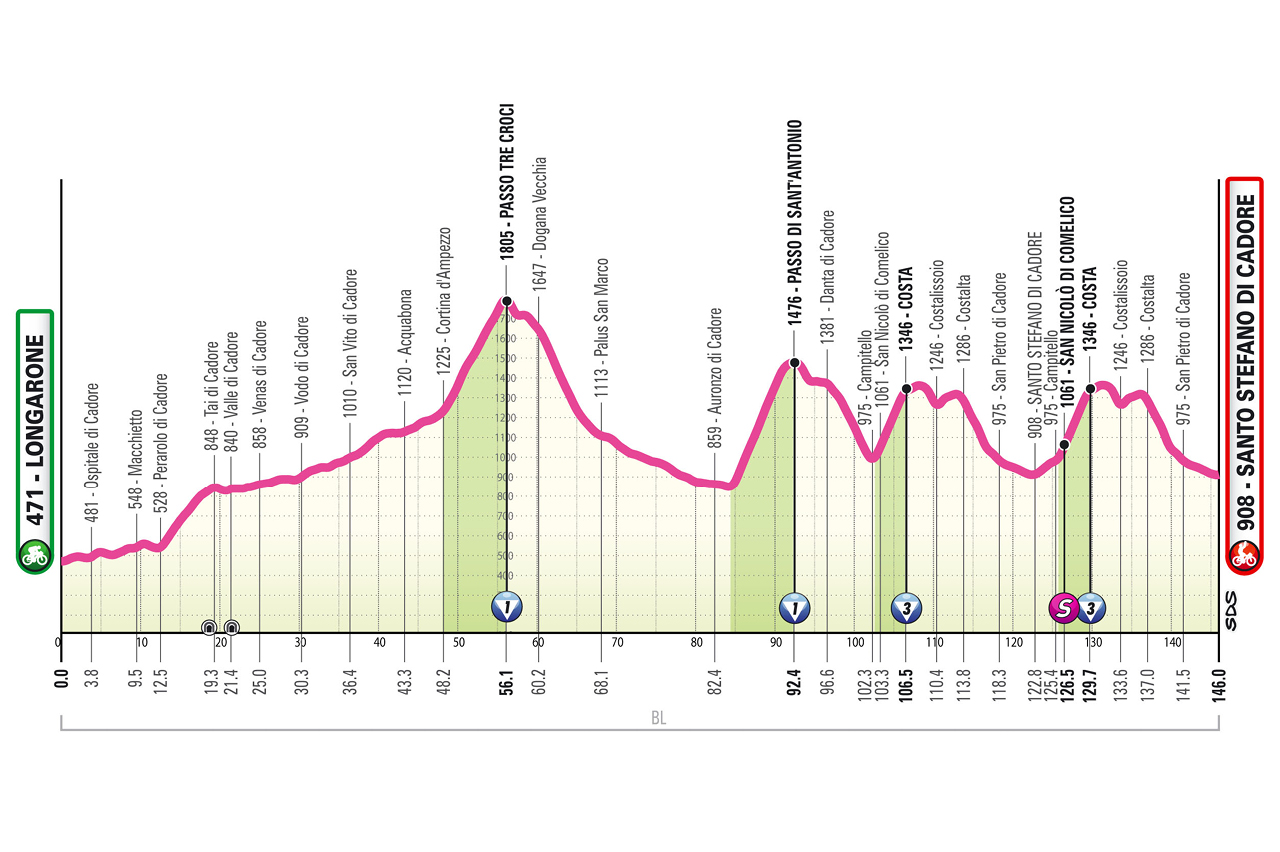
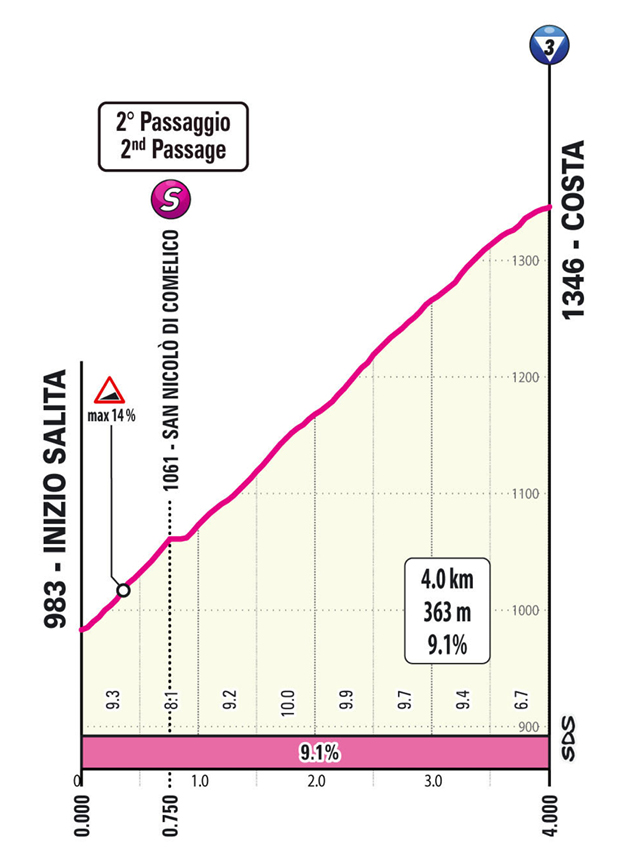
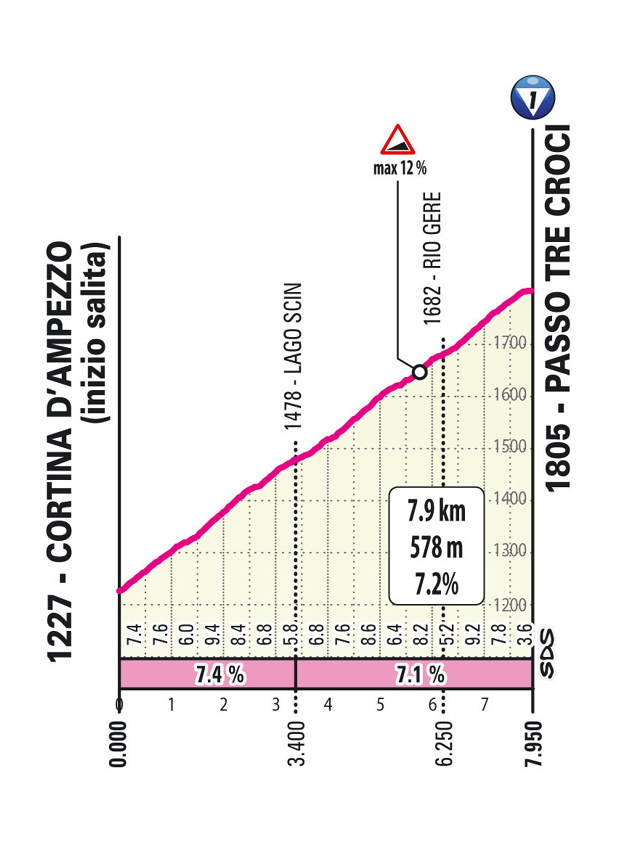
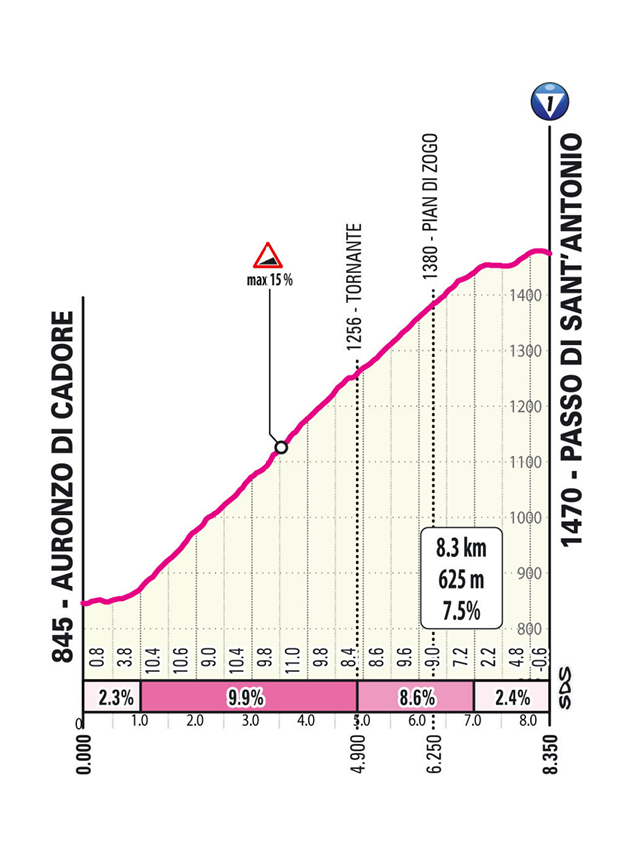
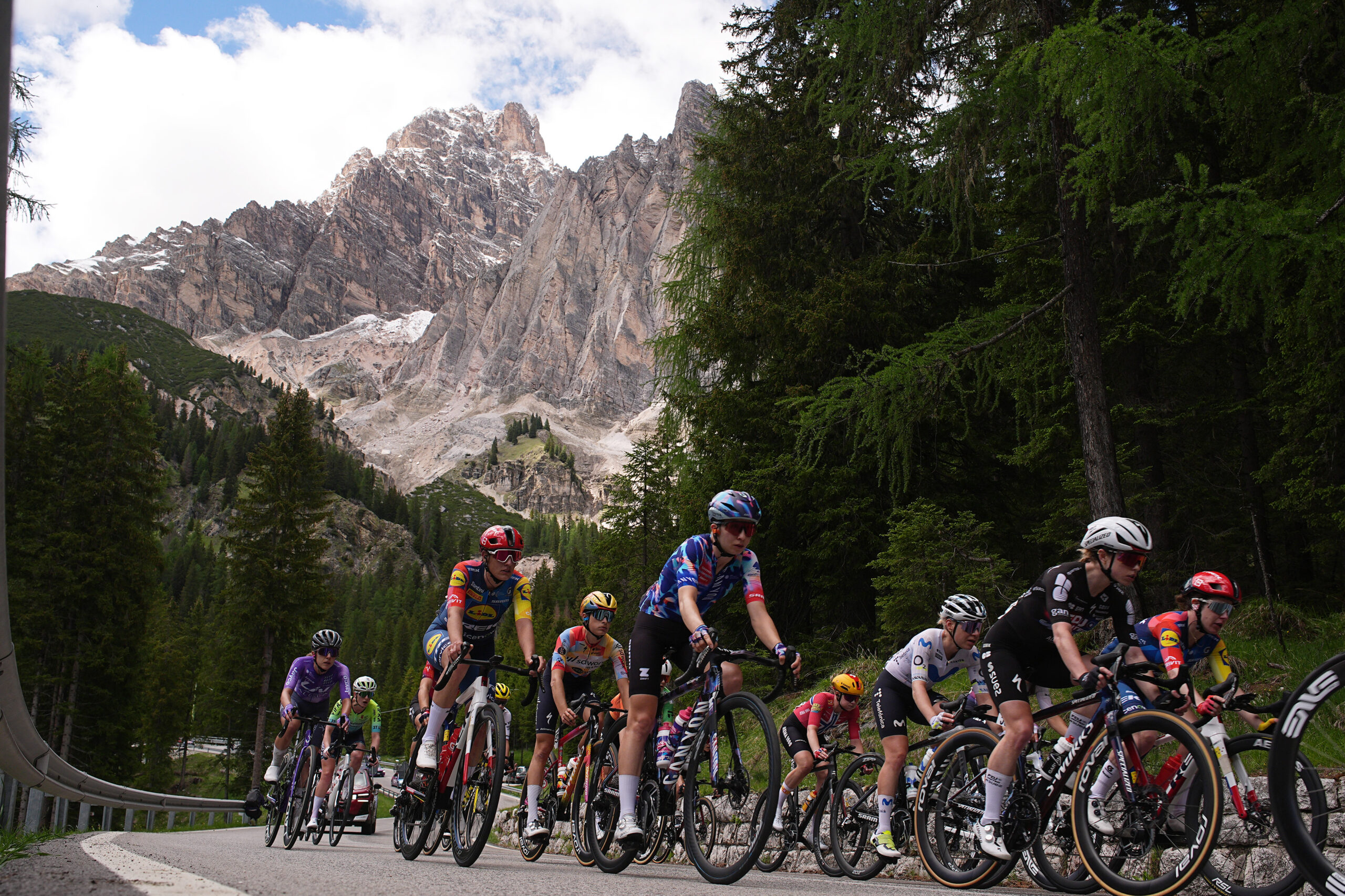
A major Dolomite mountain stage, featuring the climbs of Passo Tre Croci and Passo Sant’Antonio in the first part, before entering a final circuit of approximately 23 km, which includes two ascents of Costa (around 4 km at 9%). On the second passage, the time bonus sprint in San Nicolò Comelico will be contested midway up the climb.
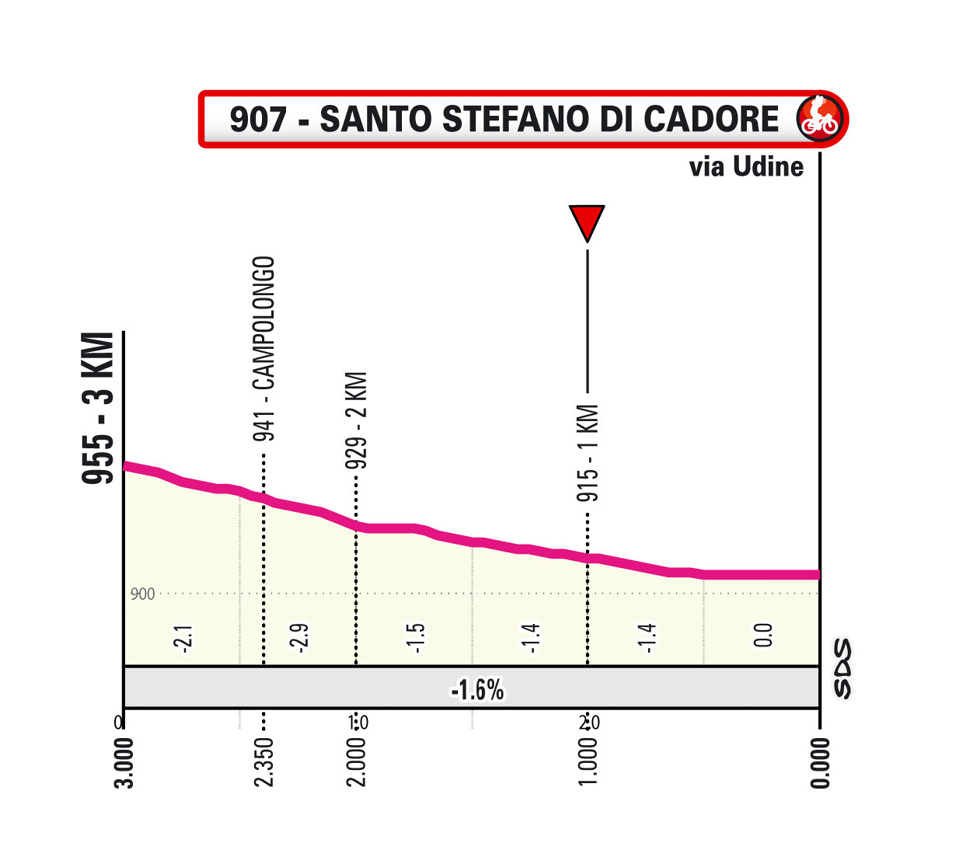
Final kilometers
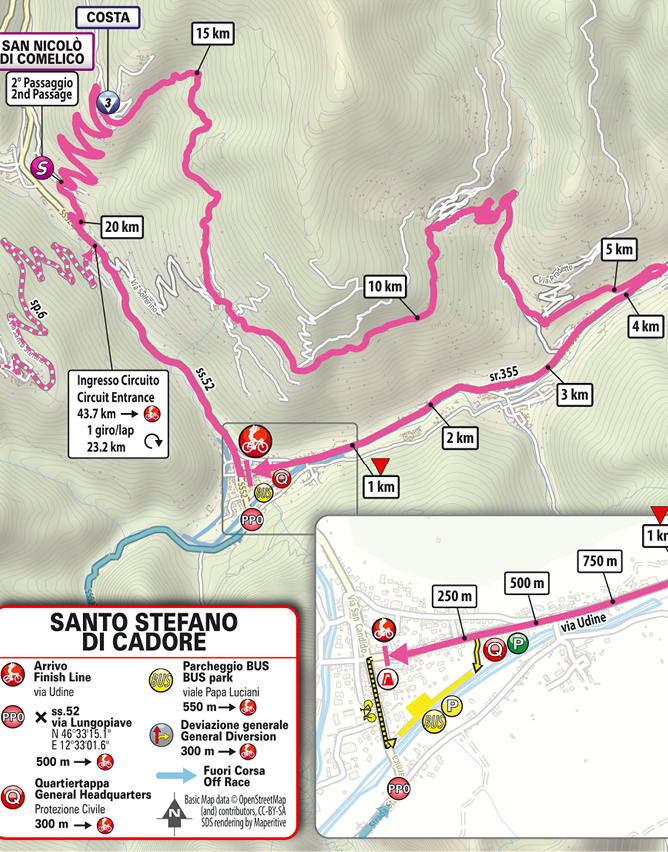
The finale is downhill until approximately 700 m from the finish. Wide road with a few sweeping bends. Final straight: 300 m on 7 m-wide asphalt.
start / finish
climb detail
final kilometres
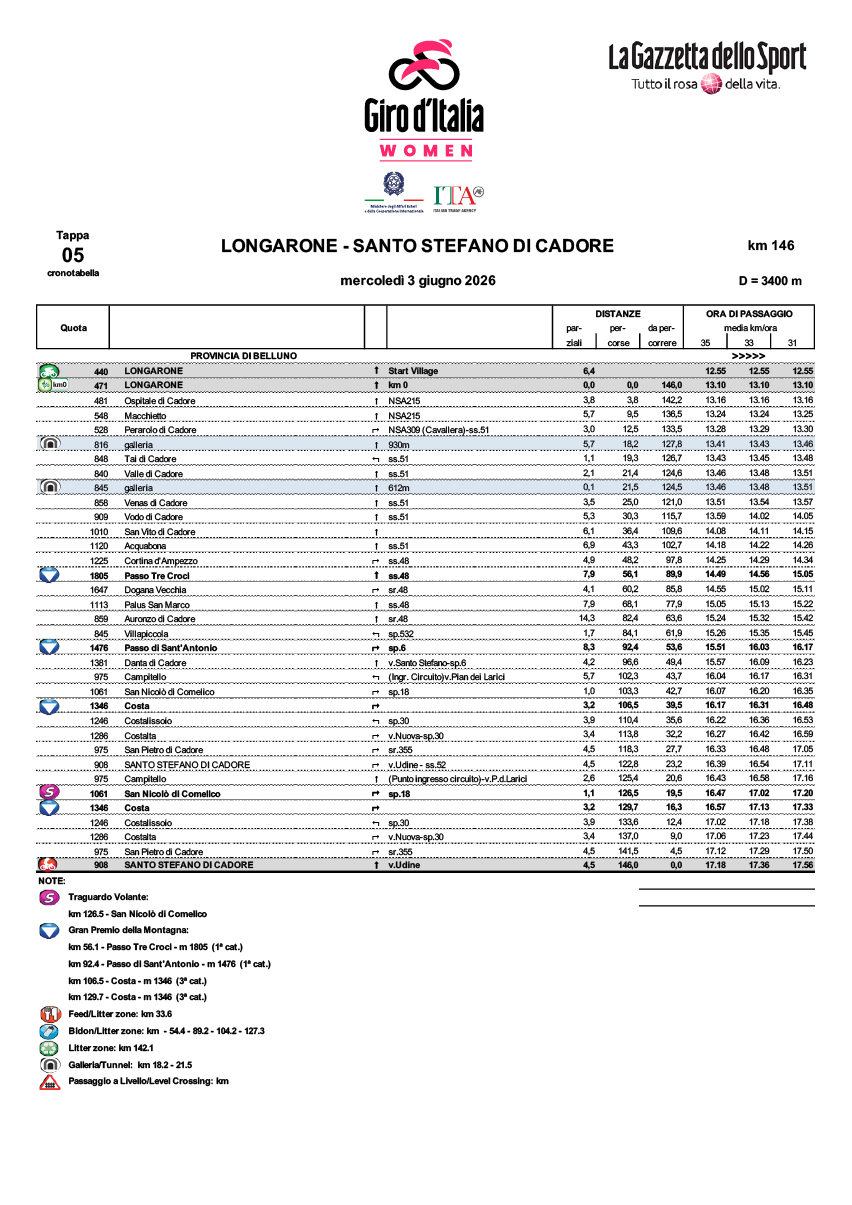
itinerary timetable
tourist info
Host city:
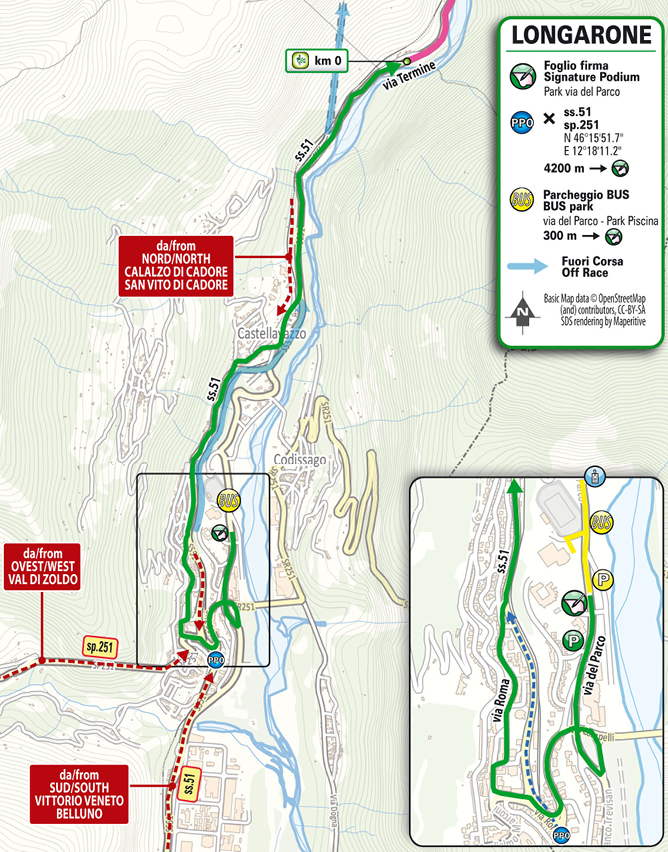
Longarone
Overview
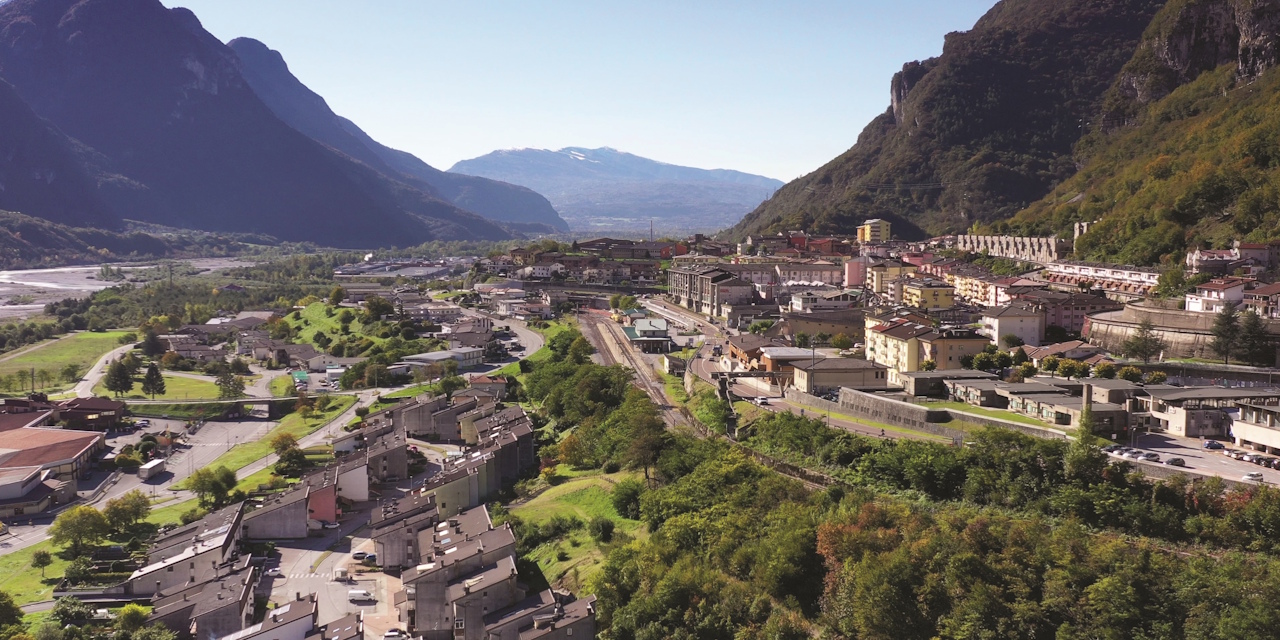
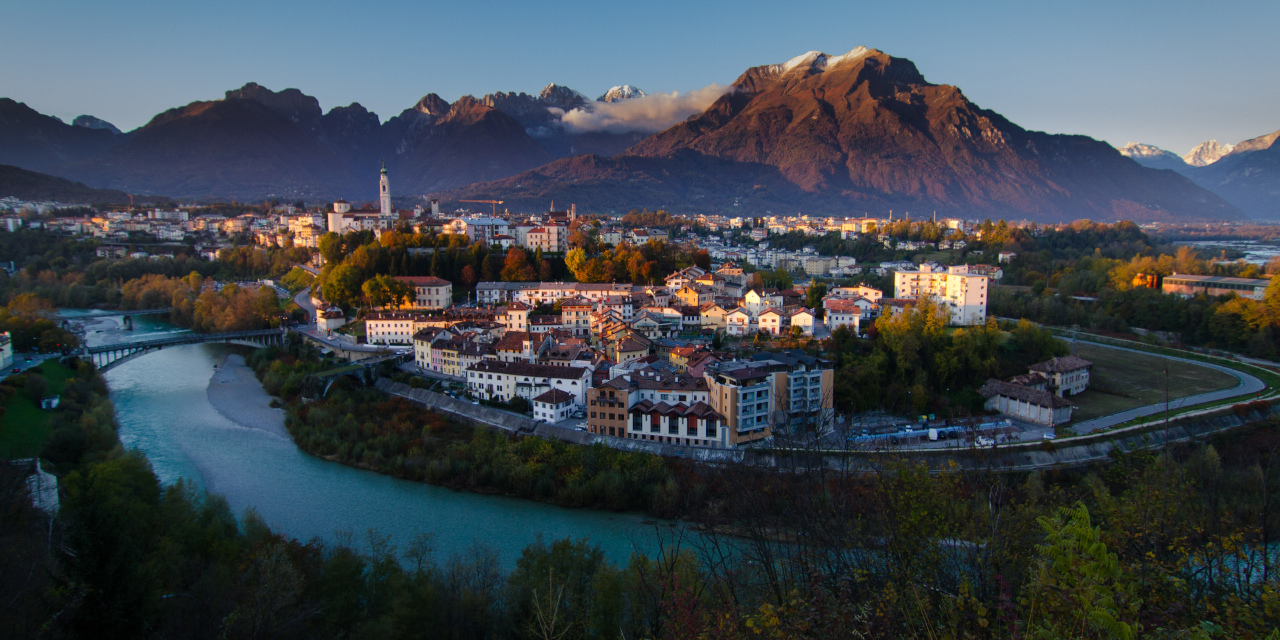
Municipality of Longarone (Longarón, name in Venetian dialect and in Ladin) is located where the Piave valley, the Zoldana valley, the gates of Cadore and the Cellina Valley meet (Friuli Venezia Giulia). The history of Longarone has its roots in Roman times and, today, the municipality is the result of the merger, in 2014, of the pre-existing municipalities of Longarone and Castellavazzo.
Today, Longarone is a unique example of how a community can be reborn after a huge tragedy, the Vajont tragedy – 9 October 1963 (this year marks the 60th anniversary), thanks to the solidarity of many communities and the resilience of the population.
Food
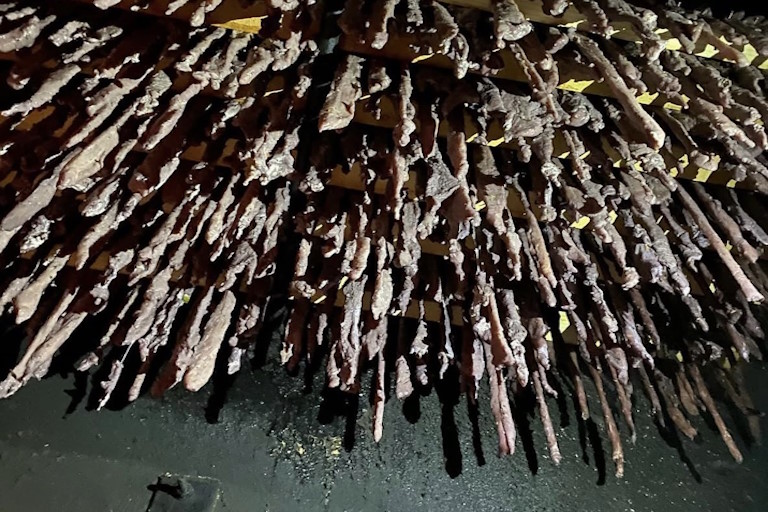
Among Longarone’s typical products are “pendole,” strips of smoked meat flavored with juniper and natural spices. The meats are primarily beef and pork, but there are also variations using game meat. Another distinctive product of the Dolomites is artisanal gelato. From the Zoldo and Cadore valleys, master gelato makers have exported this delicacy, making it famous worldwide. Every year, gelato makers gather in Longarone for the “International Gelato Exhibition” at the Palafiere.

Points of interest
Vajont Sites
Located in neighboring Friuli Venezia Giulia is the Vajont Dam, the lake into which the landslide that created the wave that destroyed Longarone on October 9, 1963, fell. Its iconic sites, in addition to the 260-meter-high dam itself, which remained intact, include the church of Santa Maria Immacolata, with its characteristic circular shape; the “Longarone Vajont, Moments of History” Museum; the bell tower of Pirago, which survived the disaster; and the monumental cemetery in the hamlet of Fortogna, which houses memorial stones for each of the 1,910 victims of the disaster.
Castellavazzo
The current toponym “Castellavazzo” derives from Castellum Laebactium, meaning the Castle of the Laebactes, an ancient Roman settlement that developed on a rock along the Piave River. At the summit is the ancient parish church of Saints Quirico and Giulitta. (built on the ruins of the ancient castle). The town was and still is a center of considerable importance for the extraction and processing of the precious Castellavazzo stone, ranging in color from dark red to gray.
The Gardona Tower
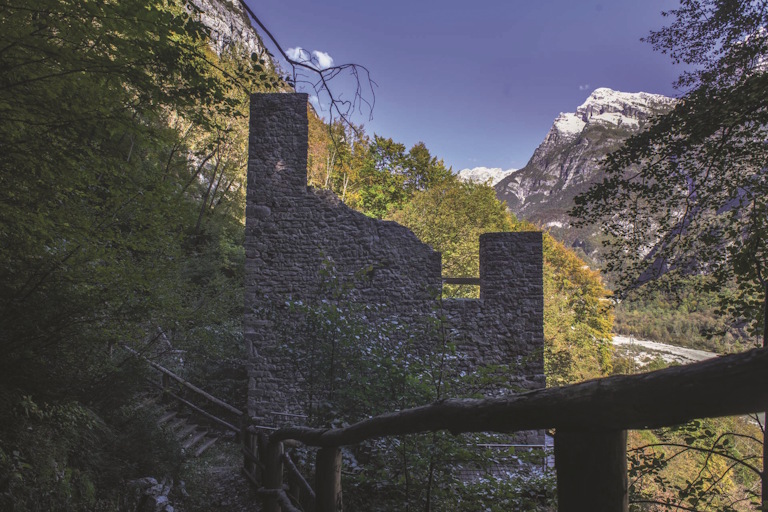
The triangular-shaped tower, an original architectural structure with no comparable examples, is located on a cliff overlooking the Piave River and has always aroused interest and wonder. The Gardona is often referred to as a tower, fortilitium, or pass, but its role as a customs control point for transit to the Cadore region was undeniable. Today, it is the heraldic symbol of the coat of arms of the Municipality of Longarone.
Cajada
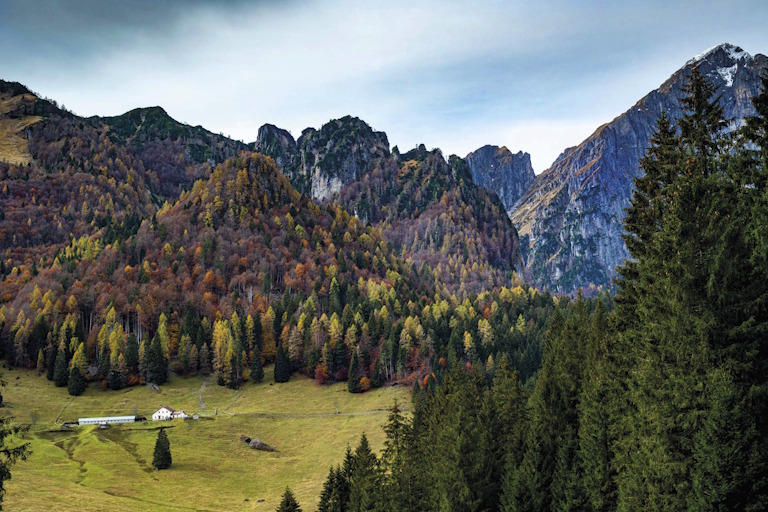
The vast Cajada Forest (or locally Cajada) is a magnificent natural amphitheater of great environmental value, suspended above the upper Desedan Valley. Part of the Dolomiti Bellunesi National Park, it is located amidst dense forests with remarkable biotypes: fir trees White oaks, beech, larch, and mountain pine. The rolling green glades and vast pasture valley characterize the village of Palughet.
The Hamlets
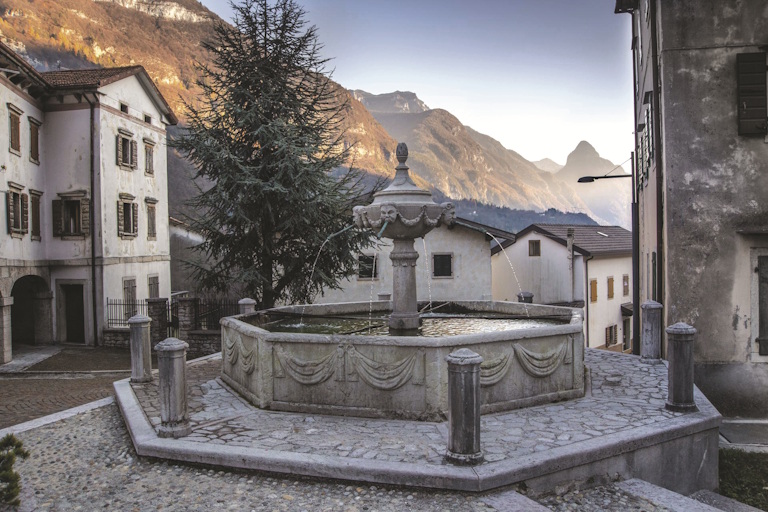
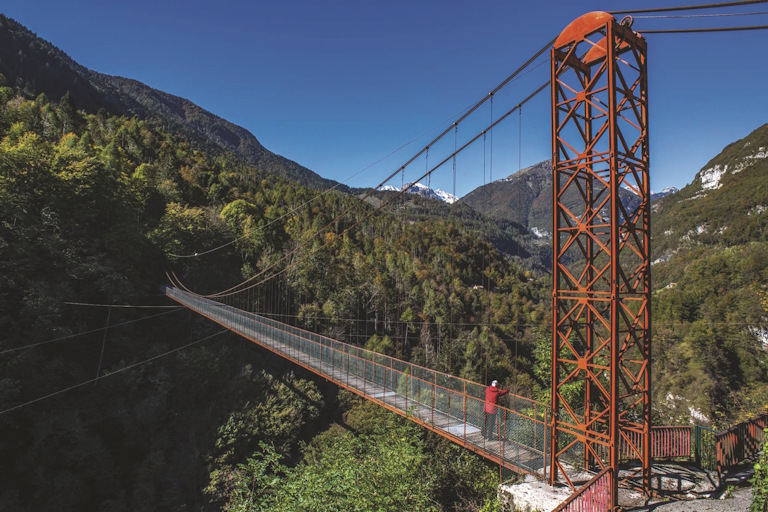
The town of Longarone is surrounded by hamlets rich in history and tradition. In addition to the aforementioned Castellavazzo, which houses the Stone and Stonemasons Museum, there are the picturesque villages of Olantreghe and Podenzoi. Codissago is home to the Raftmen Museum, commemorating the historic timber transporters to Venice. Dogna and Provagna have characteristic historic centers of stone houses, while Faè and Fortogna boast a monumental cemetery. Toward the Valzoldana valley are Soffranco and Igne, with their iconic footbridge over the Maè stream.
Santo Stefano di Cadore
Overview
The municipality of Santo Stefano di Cadore is located in the province of Belluno, in the Veneto region, in the heart of the Dolomites. Surrounded by mountain landscapes of great natural value and crossed by the Piave River, the town represents an important historical, cultural, and tourist center of the Cadore area.
Today, the municipality is known for its strong Alpine identity and for the enhancement of its natural and cultural heritage. The town center preserves historic buildings, churches, and characteristic spaces that reflect the traditions of the Cadore region. The presence of the Dolomites also makes Santo Stefano di Cadore a popular destination for nature and sports tourism, with activities related to hiking, cycling, and winter sports.
Videos Stage 05

Giro d'Italia Women 2026 | Stage 5 | Highlights 🇬🇧
3 Jun 2026
Giro d'Italia Women 2026 | Stage 5 | Last KM 🇬🇧
3 Jun 2026
Giro d'Italia Women 2026 | Stage 5 | Giro Express
3 Jun 2026Photos Stage 05
Giro d’Italia Women 2026 | Stage 5 | Best of
03/06/2026
Giro d’Italia Women 2025 | Stage 5 | Best of
10/07/2025